
Key takeaways
- The World Health Organization classifies burnout by three signs: energy depletion, mental distance from work, and reduced effectiveness (WHO ICD-11).
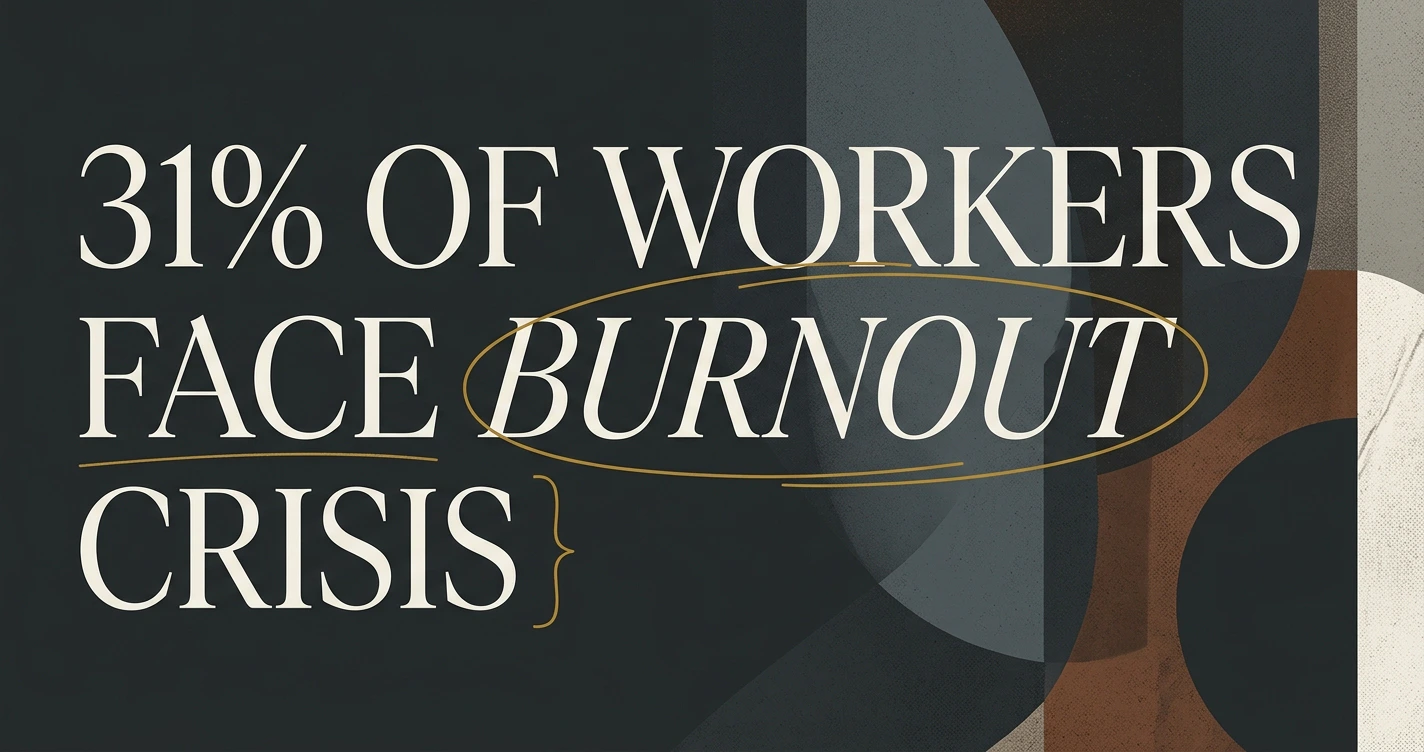
- Gallup's Q4 2025 data found 31% of women and 23% of men in full-time work feel burned out very often or always.
- Burnout is a prolonged response to chronic stress, so a single weekend off rarely reaches the depletion underneath.
- A structured reset that calms the nervous system does what passive rest cannot: it interrupts the stress cycle rather than pausing it.
If you feel worn out no matter how much you sleep, dread your work, and struggle to focus, you may be experiencing burnout rather than ordinary fatigue. The clearest signs of burnout are exhaustion that rest does not fix, growing cynicism about things you once cared about, and a creeping sense that you can no longer do your job well. This article explains how to recognize those signals, why they differ from being tired, and what a real reset involves.
What Are the Core Signs of Burnout?
The World Health Organization defines burnout by three dimensions: energy depletion or exhaustion, increased mental distance or cynicism toward your work, and reduced professional effectiveness (WHO, ICD-11 classification, 2019). When all three show up together and persist, that pattern is the signature of burnout.
The warning signs appear in the body and the mind at once. Physically, people report headaches, muscle tension, an upset stomach, and a fatigue that sleep does not clear. Emotionally, they feel detached, irritable, and numb toward tasks that used to matter.
The signs rarely arrive all at once. Burnout builds slowly over weeks and months, which is part of why so many people miss it until they are deep in it. A useful self-check: do you drag yourself to work, question its value, and lack the energy to do it well?
How Common Is Burnout Right Now?
Burnout is widespread among working adults. In Gallup's Q4 2025 data, 31% of women and 23% of men in full-time jobs said they feel burned out at work very often or always (Gallup, 2025). That gap also shows up among managers, where the strain of leading teams compounds the load.
Numbers like these matter because they reframe burnout as a predictable response to sustained pressure rather than a personal failing. It is affecting a large share of the workforce at the same time, which tells you the cause sits in the conditions, not in the person.

If you see yourself in those figures, the honest next step is to treat the pattern as a health signal, not background noise. Chronic stress that goes unaddressed tends to get worse, not better, on its own.
How Is Burnout Different From Ordinary Tiredness?
Ordinary tiredness lifts after rest; burnout does not, because it is a prolonged response to chronic stress rather than a short-term energy deficit. You can sleep eight hours, take a quiet weekend, and still wake up drained, cynical, and foggy. That stubbornness is the clearest line between the two.
Tiredness is a signal with a simple answer: your body needs sleep and gets it. Burnout is a deeper state in which the systems that normally restore you have stopped keeping up with the demand placed on them.
Three practical differences stand out:
- Duration. Tiredness is brief. Burnout lingers for weeks or months.
- Response to rest. Sleep fixes tiredness. It barely dents burnout.
- Scope. Tiredness is physical. Burnout spreads into mood, motivation, focus, and health.
Because burnout outlasts a good night's sleep, the usual fixes feel like they stop working. That is the moment many people realize something larger is going on.
Why Does Rest Alone Rarely Fix Deep Depletion?
Rest pauses the stress response but rarely resets it, which is why a long weekend can leave serious burnout untouched. The body treats ongoing pressure as a threat and stays on alert, and that low-grade alarm state does not switch off just because you stopped working for two days.
Left unmanaged, chronic stress carries real physical risk. A systematic review of prospective studies linked burnout to outcomes including type 2 diabetes, coronary heart disease, musculoskeletal pain, prolonged fatigue, and insomnia (Salvagioni et al., PLOS ONE systematic review, 2017). The same review connected it to depressive symptoms and the use of psychotropic medication.

The point is simple. When depletion reaches this depth, you are not short on sleep. You are stuck in a stress cycle, and interrupting that cycle usually takes more than passive downtime. It takes a change in environment and routine that gives the body permission to stand down.
What Role Can Structured Fasting Play in Nervous System Recovery?
Structured fasting, done under proper guidance, can help shift the nervous system out of its constant alert state and toward rest and repair. The body has two broad modes: the sympathetic "fight or flight" state that chronic stress keeps switched on, and the parasympathetic "rest and digest" state that supports recovery. Burnout tends to trap people in the first.
A supervised fasting program changes the daily inputs that keep the stress response running. Removing the constant decisions, stimulants, and demands of normal life gives the parasympathetic system room to take over. Emerging research on prolonged therapeutic fasting points toward exactly this kind of autonomic shift, alongside improvements in mood and wellbeing, though the science is still developing and results vary by person.
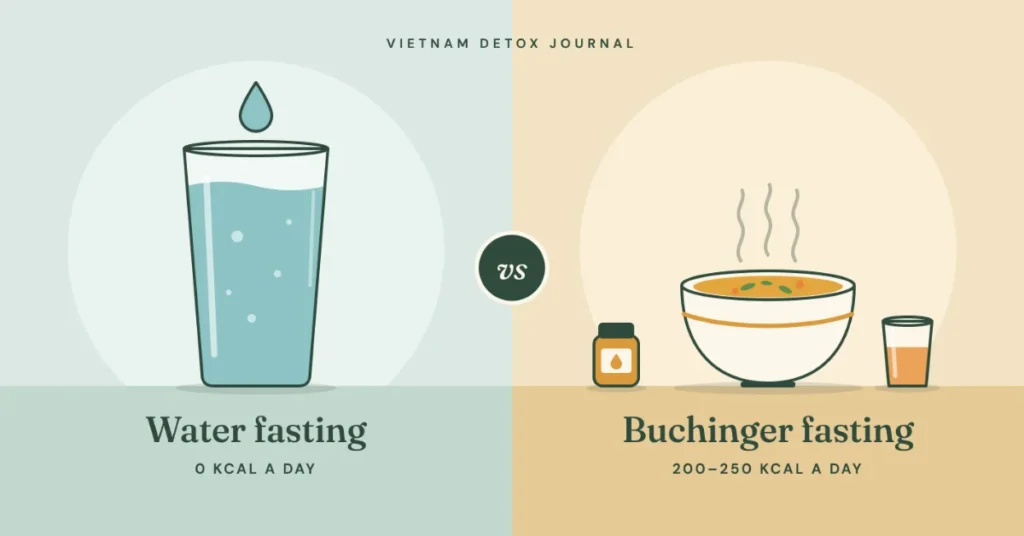
This is where a structured setting matters more than a do-it-yourself attempt. The Buchinger method, which pairs medically supervised fasting with daily routine and movement, was designed for recovery rather than weight loss alone. Vietnamdetox builds its retreats on this approach, combining German fasting science with Vietnamese healing practices so the nervous system has a quiet, guided space to reset.
Fasting is not a cure for burnout and should never replace medical care when symptoms are severe. For many depleted people, though, a guided reset breaks the stress loop in a way another weekend at home does not.
When Should You Step Away and Seek a Dedicated Retreat?
Step away for a dedicated reset when burnout symptoms have lasted for weeks, started affecting your health or relationships, and short breaks no longer help. At that stage, you are past the point where small adjustments do much, and the daily environment itself is part of the problem.
Watch for these signals that a deeper reset is warranted:
- Fatigue and cynicism that persist despite time off
- Physical symptoms like headaches, insomnia, or stomach trouble
- Dreading each day and feeling detached from people you care about
- A sense that you are running on empty with nothing left to give

A dedicated retreat works precisely because it removes you from the triggers. You step out of the inbox, the commute, and the obligations, and into a structured program built around recovery. That separation is what lets the body finally drop out of alert mode.
Burnout recovery depends on giving your nervous system the conditions it needs to repair, and willpower has little to do with it. Sometimes that means leaving the environment that drained you in the first place.
Your Next Step
If several of these signs describe your last few weeks, book a proper medical check-in first to rule out other causes, then plan a real reset rather than another exhausted weekend. Treat burnout as the health signal it is. A structured program that calms the nervous system, like a guided fasting and detox retreat, can give you the clean break that passive rest has failed to deliver, so you return with genuine capacity instead of borrowed energy.
Frequently asked questions
What are the earliest signs of burnout?
The earliest signs are persistent fatigue that sleep does not fix, growing cynicism about work, trouble concentrating, and physical complaints like headaches or stomach upset. The WHO groups these into exhaustion, mental distance, and reduced effectiveness.
How is burnout different from being tired?
Tiredness lifts after rest. Burnout does not, because it is a prolonged response to chronic stress that has drained your reserves. You can sleep a full night and still wake up depleted, cynical, and unable to focus.
Can rest alone fix burnout?
Rarely. Rest pauses the stress response but does not reset it. Deep recovery usually needs a change in environment and routine that lets the nervous system shift out of its constant alert state.
When should I consider a dedicated retreat?
Consider a retreat when symptoms persist for weeks, affect your health or relationships, and short breaks no longer help. A structured program removes daily triggers and supports the body through real recovery.