
Key takeaways
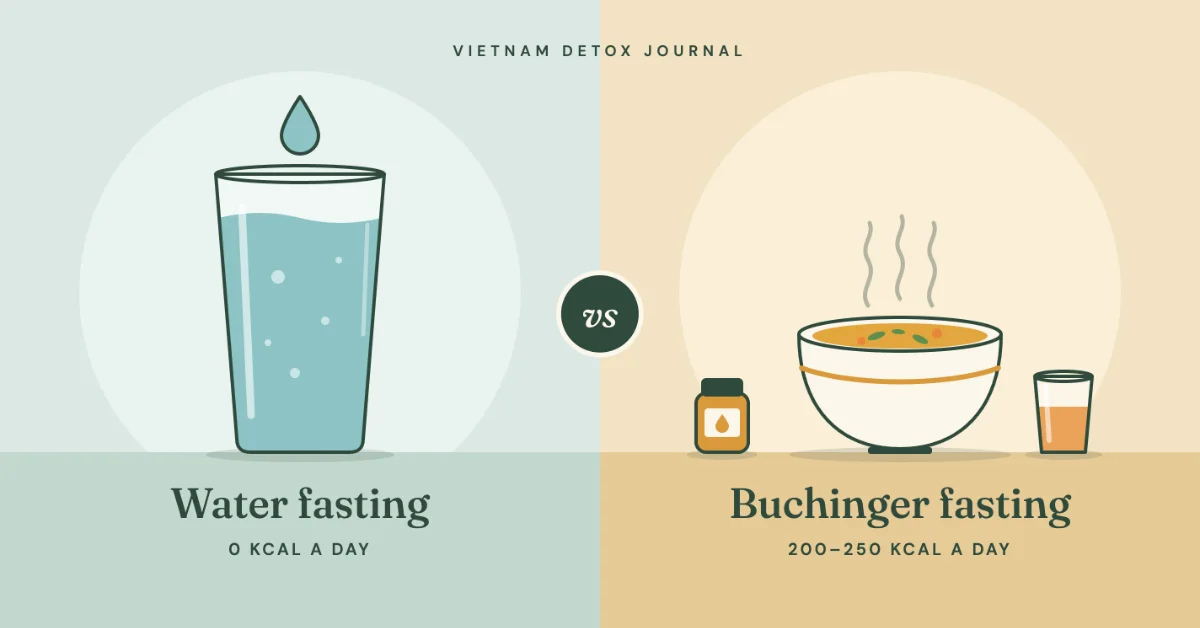
- Water fasting means zero calories; Buchinger fasting allows roughly 200-250 kcal a day from broth, juice and honey.
- In a 2019 PLOS ONE study of 1,422 Buchinger fasters, 93.2% reported no hunger during the fast.
- Adverse events appeared in under 1% of those same Buchinger fasters, across periods of 4 to 21 days.
- The small calorie allowance in Buchinger fasting cushions electrolyte swings and eases refeeding, which makes it gentler for beginners.
- Either method past two days needs supervision; Buchinger retreats build that supervision in by design.
If you are choosing between water fasting vs Buchinger fasting for a retreat, the deciding factor is calories. Water fasting drops you to zero; Buchinger fasting keeps a small daily intake of about 200-250 kcal from broth, juice and honey. That single difference shapes how each method feels, how safe it is, and who should pick which.
Both approaches stop solid food and aim to trigger the body's fasting state. Where they split is the handling of the body during the fast. One strips intake to nothing. The other feeds the fast just enough to smooth the rough edges. Below is a direct comparison across calories, safety, energy, and fit for first-timers.
How Does Each Method Approach Calorie Restriction?
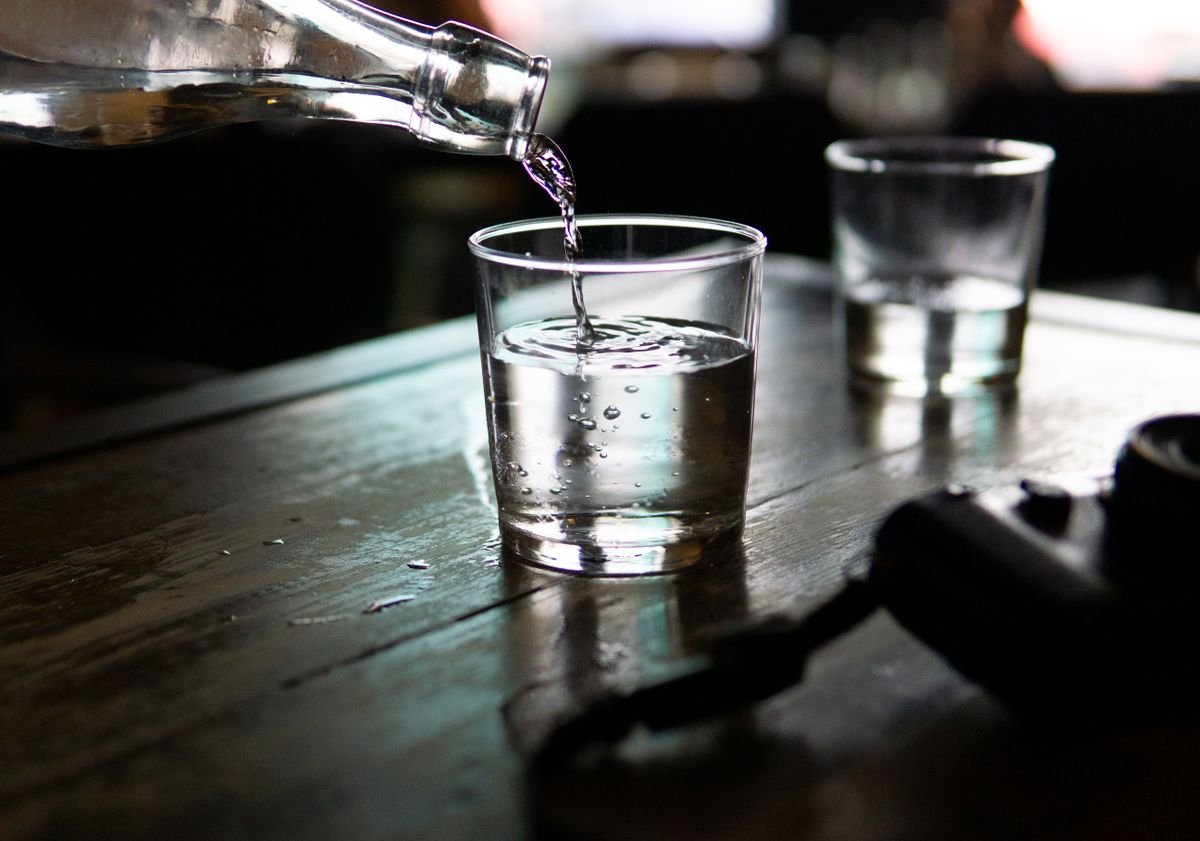
Water fasting permits water and nothing else, so intake sits at zero. Buchinger fasting allows roughly 200-250 kcal a day from vegetable broth, diluted juice and honey, as described in a 2019 PLOS ONE study of 1,422 people following the program (PLOS ONE, 2019). That gap defines everything that follows.
Zero calories pushes the body into ketosis faster and more sharply. The liver burns through glycogen, then shifts to fat and ketone bodies. Nothing buffers that transition. In the Buchinger approach, the small trickle of carbohydrate from juice and honey keeps blood sugar from crashing hard while still letting the fasting state develop.
The broth matters for more than calories. It carries sodium, potassium and other minerals the body sheds quickly once food stops. Water fasting offers none of that, which is why longer water-only fasts demand close monitoring of electrolytes.
Which Method Is Safer and More Sustainable?
Buchinger fasting carries a lower risk profile for most people, and the data backs that up. In the 2019 PLOS ONE cohort of 1,422 Buchinger fasters, adverse events appeared in under 1% across fasts of 4 to 21 days (PLOS ONE, 2019). The daily minerals and glucose do real protective work here.
Water fasting is not unsafe when supervised, but it concentrates two risks. The first is electrolyte depletion, since zero intake means zero replacement. The second is refeeding syndrome, a dangerous shift in fluids and minerals when eating restarts after a long fast. The longer and stricter the fast, the higher both risks climb.
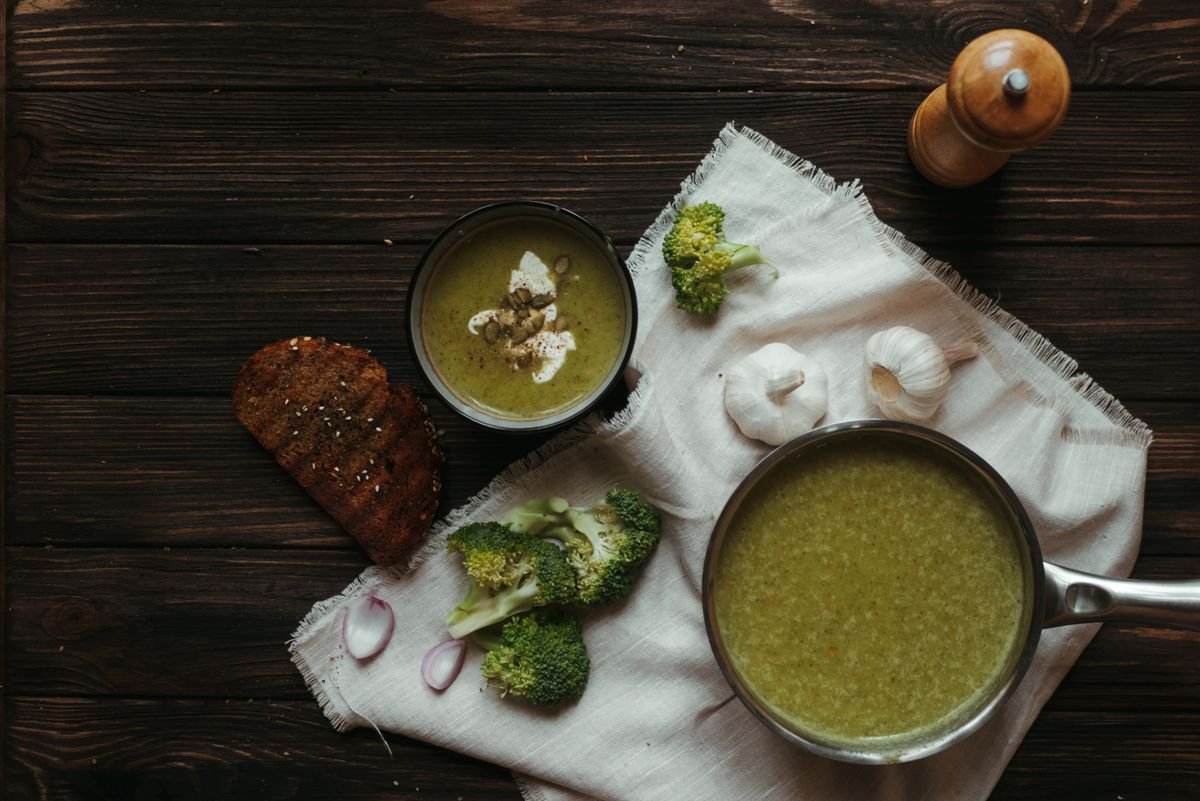
Sustainability follows the same pattern. A fast you can complete calmly, with steady minerals and a gentle return to food, is one you are more likely to finish and benefit from. The Buchinger method was built around that idea, with staged refeeding at the end rather than an abrupt switch back to meals.
Water Fasting vs Buchinger: How Do Energy, Mood and Side Effects Compare?
Buchinger fasters tend to report steadier energy and far less hunger. In the same 2019 study, 93.2% of participants reported no hunger during the fast (PLOS ONE, 2019). A trickle of juice and honey appears to blunt the hunger signals that make strict water fasting hard to tolerate.
Water fasting often brings sharper early side effects: headaches, light-headedness, cold hands, and fatigue in the first few days. These usually track with the steep drop in blood sugar and the loss of sodium. Some people adapt and feel clear-headed later, but the opening stretch is rougher without any caloric cushion.
Mood tends to follow physical comfort. When hunger and dizziness stay low, people describe a calmer, more settled experience. The same PLOS ONE cohort reported improvements in wellbeing, and among fasters with existing health complaints, 84.4% noted their symptoms eased during the program (PLOS ONE, 2019).
Which Method Suits Beginners Best?
For a first fast, Buchinger fasting is the gentler entry point. The daily broth and juice soften the hardest parts of fasting, hunger, low energy and mineral loss, which is exactly what trips up newcomers on a strict water fast. The high no-hunger rate in the research reflects that design.
Water fasting rewards experience. People who have fasted before, know their own responses, and have medical backup can handle the zero-calorie version. For someone new to extended fasting, the margin for error is thinner and the early days are harder.

A beginner also benefits most from structure. Knowing what to drink, when, and how to come off the fast removes guesswork during the days when willpower is lowest. This is where a guided program earns its place, giving a first-timer a safe path from the first day through refeeding.
Why Supervised Buchinger Fasting Is Gentler
Supervised Buchinger fasting pairs a lighter protocol with a trained eye, and that combination is what makes it gentler. The method already lowers the physiological strain through its small calorie allowance. Add monitoring of blood pressure, hydration and symptoms, and the sharp risks of unsupervised fasting fall away.
Supervision matters most at the two ends of a fast. At the start, staff can adjust for people with conditions or medications. At the finish, staged refeeding guards against the mineral swings that cause refeeding problems. A clinician watching those transitions turns a risky solo attempt into a controlled process.
This is the model Vietnamdetox builds its retreats around, combining the German Buchinger fasting tradition with Vietnamese healing practices in a supervised setting. For someone weighing water fasting vs Buchinger for recovery from exhaustion, the supervised Buchinger route removes the guesswork and the sharpest hazards.
If you are ready to act, start by matching the method to your experience and your goal. Choose supervised Buchinger fasting for a safe, structured first fast, and book a program that includes clinical oversight and guided refeeding rather than attempting an extended water fast alone.
Frequently asked questions
What is the main difference between water fasting and Buchinger fasting?
Water fasting allows only water and zero calories. Buchinger fasting permits roughly 200-250 kcal a day from vegetable broth, fruit juice and honey, which steadies blood sugar and electrolytes.
Is Buchinger fasting safer than water fasting?
The small daily calorie intake in Buchinger fasting lowers the risk of severe electrolyte loss and eases refeeding. In a 2019 study of 1,422 Buchinger fasters, adverse events occurred in under 1%.
Which fasting method is better for beginners?
Most beginners cope better with Buchinger fasting. The daily broth and juice reduce hunger and dizziness, and 93.2% of fasters in one large study reported no hunger at all.
Do I need medical supervision to fast?
Any fast beyond about two days should be supervised. Supervision catches electrolyte problems and guides refeeding. Buchinger-method retreats include clinical oversight as a standard part of the program.
How many calories does Buchinger fasting allow per day?
The Buchinger protocol allows roughly 200-250 kcal a day, taken as vegetable broth, diluted fruit or vegetable juice, and a little honey, spread across the fasting period.