

Key takeaways
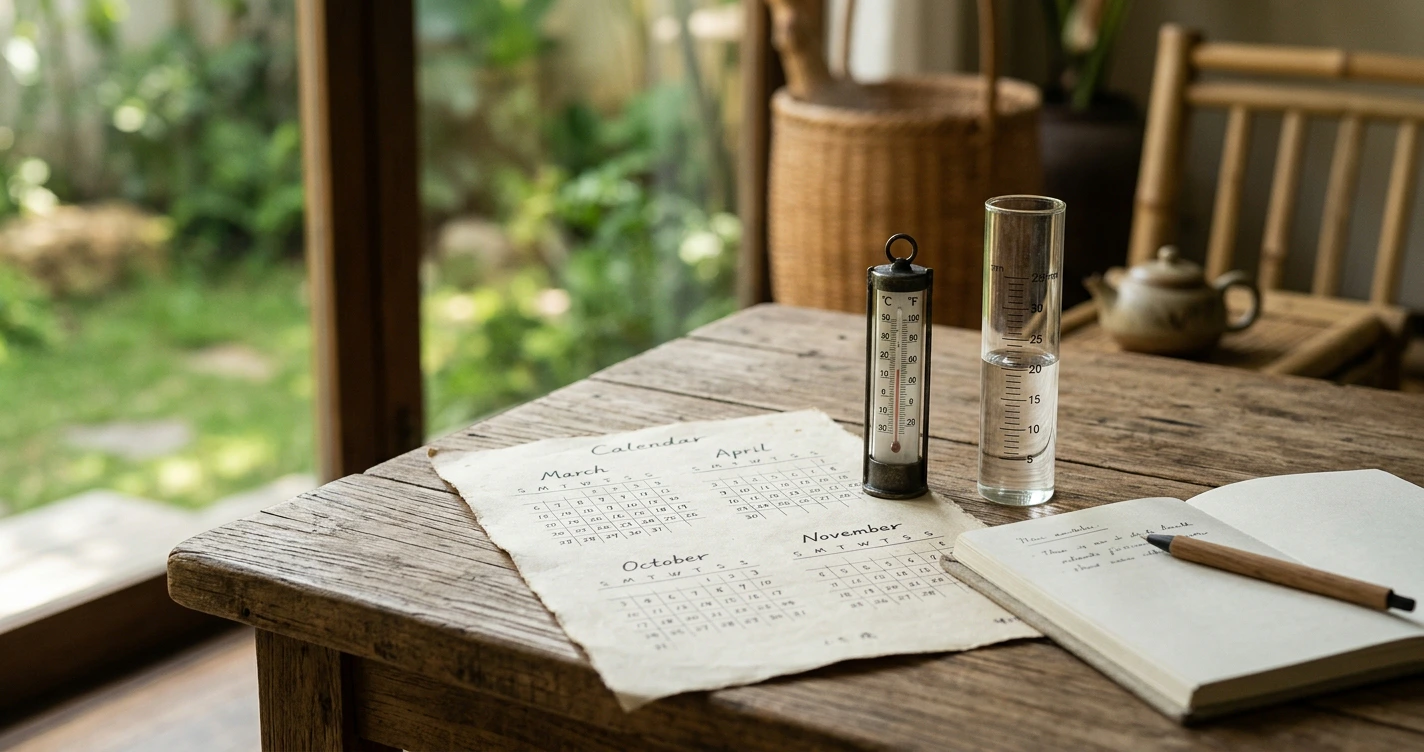
- The best time to visit Vietnam for a retreat is spring, roughly March to April, and autumn, roughly October to November, when the weather is mild and settled.
- Da Nang is most comfortable in the dry spring months, while the heaviest coastal rain and typhoon risk arrive later in autumn.
- Yen Tu feels its calmest in spring and autumn, with cool, misty mornings that suit quiet, reflective fasting days.
- Avoid the Tet holiday period in late January or February, when travel surges and many services pause.
- Match your fasting reset to the quieter shoulder seasons so your days feel unhurried rather than crowded.
The best time to visit Vietnam for a retreat is during spring, roughly March to April, and autumn, roughly October to November, when the weather in both Da Nang and Yen Tu stays mild, settled and kind to the body. These shoulder seasons sit between the summer heat and the heaviest coastal rain, which makes them the easiest windows for a calm fasting reset.
Choosing the right vietnam retreat season matters more than it might seem. A fasting reset asks your body to slow down, rest deeply and rebuild its energy. Comfortable weather supports that process. Gentle warmth, clear mornings and cooler evenings help you sleep, move gently and stay present. Harsh heat or days of heavy rain can pull your attention away from the quiet work of resetting. This guide walks through the seasons in our two settings so you can plan a trip that feels unhurried from the first day.
Seasonal weather in Da Nang and Yen Tu
Our retreats take place in two very different landscapes, and each has its own rhythm through the year.
Da Nang sits on the central coast, where the sea keeps the climate warm for most of the year. The dry months run through the first half of the year, bringing bright, settled days and warm water. The hottest stretch falls in early summer, when the midday sun can feel strong. From autumn onward the coast enters its rainy season, and this is also when the region is most exposed to tropical storms. Those months can bring sudden downpours and grey skies.
Yen Tu lies inland and higher, among the sacred, forested mountains of northern Vietnam long associated with the Truc Lam Buddhist tradition. The seasons here feel more defined. Spring and autumn are gentle and clear. Summer is warm and humid, with the strongest rain arriving in the middle of the year. Winter turns genuinely cool, and the mountain mist that settles over the forest can feel beautiful but cold, especially in the early mornings and at night.
Understanding these two patterns helps you choose not only when to come, but which setting suits the season you have in mind. If you are weighing one place against the other, our guide to choosing between a Da Nang retreat or Yen Tu looks at the two settings in more detail.

The best time to visit Vietnam for a retreat: ideal months for comfortable fasting
Fasting is easier when your surroundings ask little of you. You want steady energy, good rest and the freedom to walk gently outdoors without battling the elements.
For most guests, the most comfortable months fall into two windows:
- Spring, around March to April. Both Da Nang and Yen Tu are mild and dry. Days are warm without being heavy, and nights are cool enough for restful sleep.
- Autumn, around October to November in the mountains. Yen Tu cools down and the air clears after the summer rains, which makes for crisp, quiet days well suited to reflection.
On the coast, the earlier dry months are the gentlest for a fast. Inland, the spring and autumn shoulders feel most balanced. During a fast your body is more sensitive to temperature, so mild weather genuinely helps. When the air is comfortable, hydration is simpler, sleep deepens, and gentle practices feel natural rather than effortful.
Weather is only one part of readiness. Mild conditions support the body, and a little preparation supports the mind. Both matter when you arrive.
Avoiding peak heat and heavy rain
Two periods are worth planning around.
Peak heat. Early summer, through the middle of the year, brings the warmest and most humid conditions in both locations. Heat adds a quiet strain to fasting. It can make rest harder, raise your hydration needs and leave gentle movement feeling heavier than it should. A fast can still go well in warmer weather, but the easier path is to choose a cooler window if you can.
Heavy rain and storms. The coast is most exposed to tropical storms later in the year, and the mountains see their strongest rainfall in the middle of the year. Sustained rain can limit outdoor walks and the sense of open space that makes a retreat feel restorative. For context on how Vietnam's tourism rhythm shifts across the year, Vietnam's national tourism authority publishes regular visitor figures that track the busy and quieter months. You can see current patterns through the Vietnam National Authority of Tourism.
Planning around these two windows does not mean the rest of the year is off limits. It simply means your days are more likely to flow the way a reset should: calm, open and uninterrupted.
Quiet periods for deeper focus
A retreat is as much about stillness as it is about weather. The quietest travel periods can be the most valuable, because fewer crowds mean a softer, more private experience.
Vietnam's busiest travel months cluster around the cooler, drier end of the year and the early months of the new year. The single period most worth avoiding is Tet, the Lunar New Year, which falls in late January or February depending on the year. During Tet, domestic travel surges, roads fill, and many services pause for the holiday. It is a joyful time in Vietnamese life, but a difficult one for a quiet reset.
The gentler, in-between months often carry a different mood. There are fewer visitors, a slower pace, and more room to simply be. That spaciousness is exactly what a fasting reset benefits from. Our retreats are intentionally small, so every guest receives personal attention and a carefully held experience. Choosing a quieter season adds to that sense of calm, giving your days the room they need. For leaders organising a group reset, the same thinking applies, as we outline in our checklist for planning a corporate detox retreat.
Planning your trip around the seasons
Bringing it together, here is a simple way to think about timing:
- Start with the season, not the date. Spring and autumn are your most comfortable windows across both settings. Decide which of these fits your year first.
- Match the setting to the season. For coastal warmth and bright, dry days, lean toward Da Nang in the earlier dry months. For cool, misty stillness, Yen Tu is lovely in spring and again in autumn.
- Give yourself margin around the extremes. Step back from the peak heat of mid-year and the heaviest coastal rain later in the year.
- Avoid Tet. Keep clear of the Lunar New Year window in late January or February, when travel is busiest.
- Favour the quiet shoulders. The in-between months tend to be calmer, which suits the slow, inward pace of a fast.
Every guest joins us for a preparation call before we confirm attendance. That conversation is where timing becomes personal. We talk through your reasons for coming, any health considerations, and the season that will serve you best. Our retreats are preventive and designed for generally healthy people, so this call helps us make sure the timing and the experience are right for you.
If you are ready to take the next step, choose the season that feels most open in your own year, then book a preparation call with us so we can help you plan the trip around it. The weather sets the stage, but it is your readiness and the quiet of the season that let a reset do its gentle work.
Frequently asked questions
When is the best time to visit Vietnam for a retreat?
Spring, around March to April, and autumn, around October to November, are the most comfortable windows. Temperatures are mild and rainfall is lighter, which makes fasting and gentle movement easier.
Which months should I avoid for a Vietnam retreat?
The peak summer heat from June to August can feel heavy for fasting, and late autumn brings the highest rain and typhoon risk on the coast. The Tet holiday in late January or February is also busy and best avoided.
Is Da Nang or Yen Tu better in winter?
Da Nang stays milder and drier through winter, while Yen Tu turns cool and misty. Both can suit a reset, so the choice depends on whether you prefer coastal warmth or mountain stillness.
Does the weather affect how a fast feels?
Yes. Extreme heat can make hydration and rest harder during a fast, while mild, settled weather supports steady energy, better sleep and calmer movement.