
Key takeaways
- Vietnam has no single retreat season. The north and the central coast get their heaviest rain at different times.
- Yên Tử is mild and fairly dry in autumn, misty in winter and busy with pilgrims in spring.
- Huế and Da Nang are rainy from about September to December. February to April, however, is usually drier.
- Next dates: Yên 16–20 December 2026, Hồi 20–24 January and 2–6 March 2027, An 17–21 March 2027.
- Tết, the Lunar New Year, falls on 6 February 2027.
- A rainy day is not a lost day, because it is the perfect excuse to do nothing.
Picture rain drumming on a roof in the hills outside Huế. Steam rises from a mineral pool, and nobody needs anything from you for an hour. When people ask about the best time to visit Vietnam for a retreat, they usually mean “when will it be sunny?” Sunshine helps, of course. Yet guests often remember other things: mist on a pagoda path, a warm soak in the rain, the sea turning pink at dawn.
This guide gives you the honest weather picture for Yên Tử, Huế and Da Nang. Then it shows how each season can become a setting for awe and rest. After all, the point of a reset is the life you return to: hiking with friends, travelling, or keeping up with your grandchildren.
Is there a best time to visit Vietnam for a retreat?
The short answer is that no single month suits everywhere. Vietnam is long and narrow, and its regions follow different monsoons. First, the north gets most of its rain in summer. The central coast, in contrast, gets most of its rain from September to December. That is when the north-east monsoon pushes moist sea air against the Trường Sơn mountains.
As a result, the better question is: which setting suits the season you have free? October and November, for example, are lovely at Yên Tử. On the central coast, however, they bring the heaviest rain and the main typhoon risk.
Yên Tử: mountain mist and pagoda paths
Yên Tử is a Buddhist pilgrimage mountain in Quảng Ninh, northern Vietnam. Its summit pagoda, Chùa Đồng, sits at 1,068 metres. Forested stone paths link many smaller pagodas on the way up.
The mountain has four real seasons.
- Autumn (September to November): Vietnam’s national tourism authority describes “mild, dry weather with little rain”.
- Winter (December to February): cool and often misty. A Yên Tử visitor guide using ERA5 climate data puts the base at about 16°C. The summit, however, is 5 to 6°C colder.
- Spring (February to April): mild and often damp, with drizzle and mist. March averages about 20°C at the base and 15°C at the top.
- Summer (May to September): hot and humid, with the heaviest rain. As a result, stone steps can turn slippery.
Spring is also pilgrimage season. The Yên Tử Festival runs from the tenth day of the first lunar month to the end of the third. So in 2027 that means roughly 15 February to early May, with the busiest days around the opening and on weekends.
The An Retreat in March
Our An Retreat at Legacy Yên Tử MGallery runs from 17 to 21 March 2027. Expect mild days, cool mornings and a good chance of mist. The cable car and pagoda-path excursion take you up through the clouds, so pack a warm layer. Because March falls in festival season, you will share the upper paths with pilgrims. Many visitors find that devout bustle moving. Meanwhile, the hotel itself stays calm.
Still, mist has its own kind of awe. When the view disappears, you notice what is close: incense, moss on old steps, a bell above you. Back at the hotel, yin yoga, the sauna and a massage turn a grey afternoon into a treat.
Huế and Alba: warm water on cool, rainy days
Huế, the former imperial capital, lies near the central coast. Our Yên Retreat is held about 30 kilometres north-west of the city, at Alba Wellness Valley in Phong Điền. The valley grows around the Thanh Tân hot springs. Alba says the water rises from about 1,200 metres below ground.
Long-term climate averages for Huế show two clear seasons.
- Drier months (about February to August): February to April is mild and pleasant. After that, from May to August, it turns hot.
- Rainy season (about September to December): October and November bring the heaviest rain and flood risk. December is calmer but still wet, at about 21°C with rain on around 20 days.
The Yên Retreat in December
To be honest, the Yên Retreat on 16–20 December 2026 falls in Huế’s rainy season. You will probably see rain, although the storm season usually tails off around 10 December. So why December? Because this programme centres on warm water. Hot springs, an onsen, massage and Tibetan bowl meditation feel wonderful when the air is cool and damp.
On drier mornings, the guided hike and the valley bike ride show you bamboo and low hills in soft light. On wet ones, you can stay in the warm pools. Instead of a loss, a rainy day takes the pressure off. There is nowhere to rush, and every reason to rest.
Da Nang and Hồi: sunrise at Sơn Trà and the sea
Da Nang sits on the coast south of Huế, between the Sơn Trà peninsula and the Marble Mountains. Climate averages for Da Nang show a similar pattern, a little less wet.
- Dry season (about February to August): February to April is the gentlest stretch, with rain on four to six days a month. May to August is hot and sunny.
- Rainy season (about September to December): these months bring most of the year’s rain and the main typhoon risk. In fact, October alone averages about 650 mm.
- January: a changeover month. Rain falls on around 12 days, the air averages 22°C and the sea about 24°C.
The Hồi Retreat in January and March
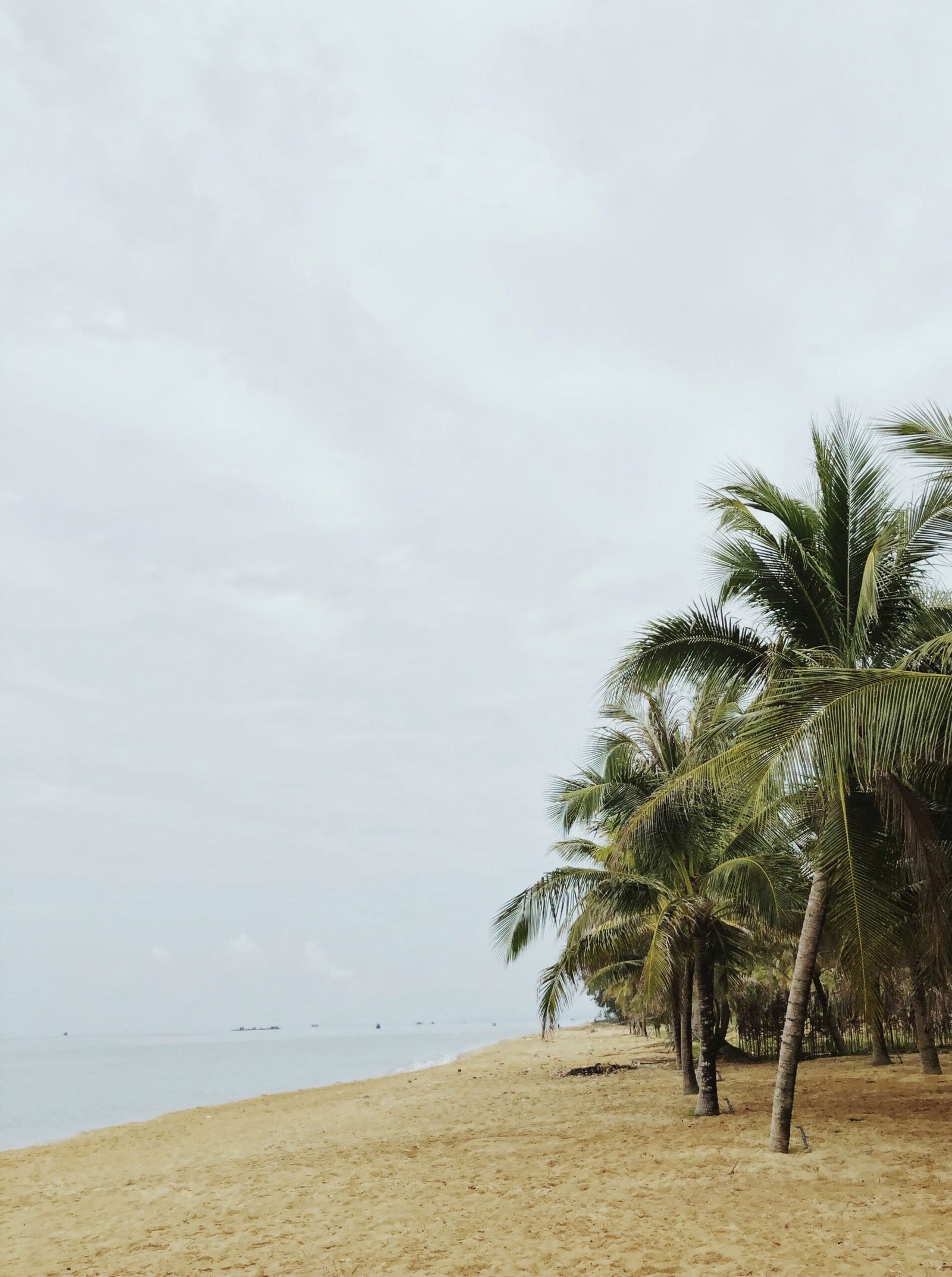
Our Hồi Retreat at Fusion Resort & Villas Da Nang runs for the first time on 20–24 January 2027, then again on 2–6 March 2027. January is the cool end of the rainy season, turning drier. So expect bright and grey days and a fresh sea. That is when floating meditation in the heated pool comes into its own. By March, Da Nang is usually in its dry season, with warm, settled days for beach walks.
Either way, the big moments stay the same: Sơn Trà at sunrise, breathwork by the waves and a Marble Mountains outing. Torn between coast and mountains? Our guide to choosing between Da Nang and Yên Tử compares the two.
Why awe and rest matter more than perfect weather
A retreat is not a beach holiday that fails when it rains. In fact, much of the benefit comes from stepping away. A 2022 study with 60 older adults tested weekly 15-minute “awe walks” over eight weeks. Compared with ordinary walkers, the awe walkers reported more joy and less daily distress. They were simply asked to notice things that felt vast or new. For example, mist on a mountain counts. So does a wide grey sea.
Similarly, a 2025 trial with 467 adults blocked mobile internet on their phones for two weeks. After those two weeks, wellbeing, mental health and attention all improved. We call this the magic of missing out. You step away from meal planning, alcohol, news and notifications, by choice, and feel relief rather than loss. On retreat, that comes easily, with no cooking, no alcohol and plenty of quiet. If you like, you could leave your phone in your room for part of each day.
Weather plays a part too. While fasting, many guests feel the cold a little more. So a cool day is a fine reason for warm water, a blanket and a nap. Hot days, by contrast, call for shade and slower walks. Our article on gentle movement during a fast has ideas for both.
Dates to plan around
- Tết 2027. The Lunar New Year falls on Saturday 6 February 2027. The public holiday runs from 4 to 10 February. Travel is busy from late January until about 20 February. It is a joyful time, but harder for a quiet reset.
- Peak heat. May to August is hot in all three places.
- Central storms. Near Huế and Da Nang, typhoon season runs from September to about 10 December.
A simple season planner
| Retreat | Next dates | What the season is like | Pack |
|---|---|---|---|
| Yên (Huế, Alba) | 16–20 December 2026 | Cool and rainy, around 21°C; suits the hot springs | Rain jacket, warm layer, sandals for the pools |
| Hồi (Da Nang) | 20–24 January 2027 | End of the rainy season, mixed days, around 22°C | Light jacket, swimwear for the heated pool |
| Hồi (Da Nang) | 2–6 March 2027 | Dry season, warm and settled | Sun hat, swimwear, walking sandals |
| An (Yên Tử) | 17–21 March 2027 | Mild, misty, festival season; cooler at the summit | Warm layer, rain jacket, shoes with grip |
Planning your trip around the seasons
Start with the time you can truly set aside, then pick the setting that suits it. Love cool air and quiet ritual? Yên Tử is lovely in March. Want the sea? March in Da Nang is usually warm and dry. And if a few grey days sound like a welcome excuse to do nothing, choose December at Alba.
Every retreat lasts five days and four nights. After a welcome dinner, a modified Buchinger fast begins on day 2. We hold wellness check-ins on arrival and departure, then give you refeeding guidance and a check-in afterwards. For home, see building-up days after fasting and keeping your reset alive. Our retreats are preventive wellness retreats for generally healthy adults. If you have a health condition or take regular medication, please check with your doctor first.
Frequently asked questions
When is the best time to visit Vietnam for a retreat?
It depends on the setting. Yên Tử is mild and fairly dry in autumn and mild and misty in spring. Huế and Da Nang are usually driest from February to April. Our current dates cover December, January and March.
Which months should I avoid?
On the central coast, October and November bring the heaviest rain and flood risk. In the north, summer is hot, humid and wet. Also, the weeks around Tết, 6 February 2027, are very busy for travel.
Is a retreat in the rainy season worth it?
Many guests find it is. After all, rain makes resting easy. Besides, the December Yên Retreat centres on hot springs and an onsen, which feel lovely on cool, wet days.
What should I pack for a March retreat?
For Yên Tử, bring a warm layer and a rain jacket for the misty summit. For Da Nang, bring sun protection and swimwear, plus a light layer for early mornings at Sơn Trà.
Does the weather affect how a fast feels?
It can. Many guests feel the cold more while fasting, and heat raises your need for fluids. Warm water and a slower pace help either way.
If one of these seasons feels right, view the retreats or book a discovery call with Dieter. Questions? Write to us.