Fasting Journal
At Vietnam Detox, the retreat does not end with the apple meditation. The three building-up days that follow are part of the retreat, simply continued at home. Here is our updated guide to eating, protein and gentle movement during those days.
On the last morning of every retreat, each guest receives a polished apple to take home. It looks like a small farewell gift. In fact, it marks the start of one of the most important parts of a Buchinger fast: the building-up days.
How you eat and move in these three days shapes how comfortable you feel, and how much of the benefit of your fast you take with you. That is why we periodically review our guidance. Our latest review brought gentle protein back to the second day, added eggs and fish on the third, and introduced simple strength exercises to help rebuild muscle. All of it uses ingredients and dishes that are easy to find anywhere in Vietnam.
During a fast, your digestive system runs on a low, resting rhythm. It never switches off completely, yet the large response that a full meal usually triggers has been quiet for days. The sight, smell and slow chewing of your first food are signals that wake it up again. Starting small and simple gives your stomach and gut time to catch up, and it is the gentlest way we know to avoid bloating, cramps and that heavy, tired feeling.
Your body also has something to rebuild. During a fast it switches into a protein-sparing mode, but some lean tissue is still used, much of it water and stored glycogen. Research on Buchinger-style fasts shows this clearly.
Study spotlight
Journal: Journal of Cachexia, Sarcopenia and Muscle, 2025
Who was studied: 32 healthy adults, 16 women and 16 men with an average age of 44, who fasted for 12 days on about 250 kcal a day and stayed physically active.
What was found: Thigh muscle volume fell by about 6 per cent during the fast and was still about 3.5 per cent lower one month later. The researchers attributed much of the loss to water and stored glycogen. Maximum strength and aerobic fitness were preserved.
Limits: The study was small and had no comparison group, and muscle volume on a scan is not the same as muscle protein. It suggests the weeks after a fast are a good time to rebuild.
This is exactly why we now bring protein back earlier and pair it with simple strength work. Muscle is one of our most valuable reserves for later life. In a 2024 study in Hồ Chí Minh City, about one in seven adults over 50 already showed signs of age-related muscle loss.
A short word on safety. A shift in blood minerals when food returns after a long fast, known as refeeding syndrome, is rare in well-nourished adults who refeed gradually. The risk rises with longer fasts, low body weight and some medicines. That is why we talk with every guest about their health before a retreat, and why the building-up days are never rushed.
We periodically review the latest research and the recommendations of established Buchinger fasting clinics, and update our building-up guidance from time to time. Our days follow the classic Buchinger principle of gradual refeeding. In our latest review, we chose to bring gentle protein back a little earlier and to add simple strength exercises, based on recent research on muscle and protein. The building-up days are part of your retreat, simply continued at home, and we want you to gain the maximum benefit from them.
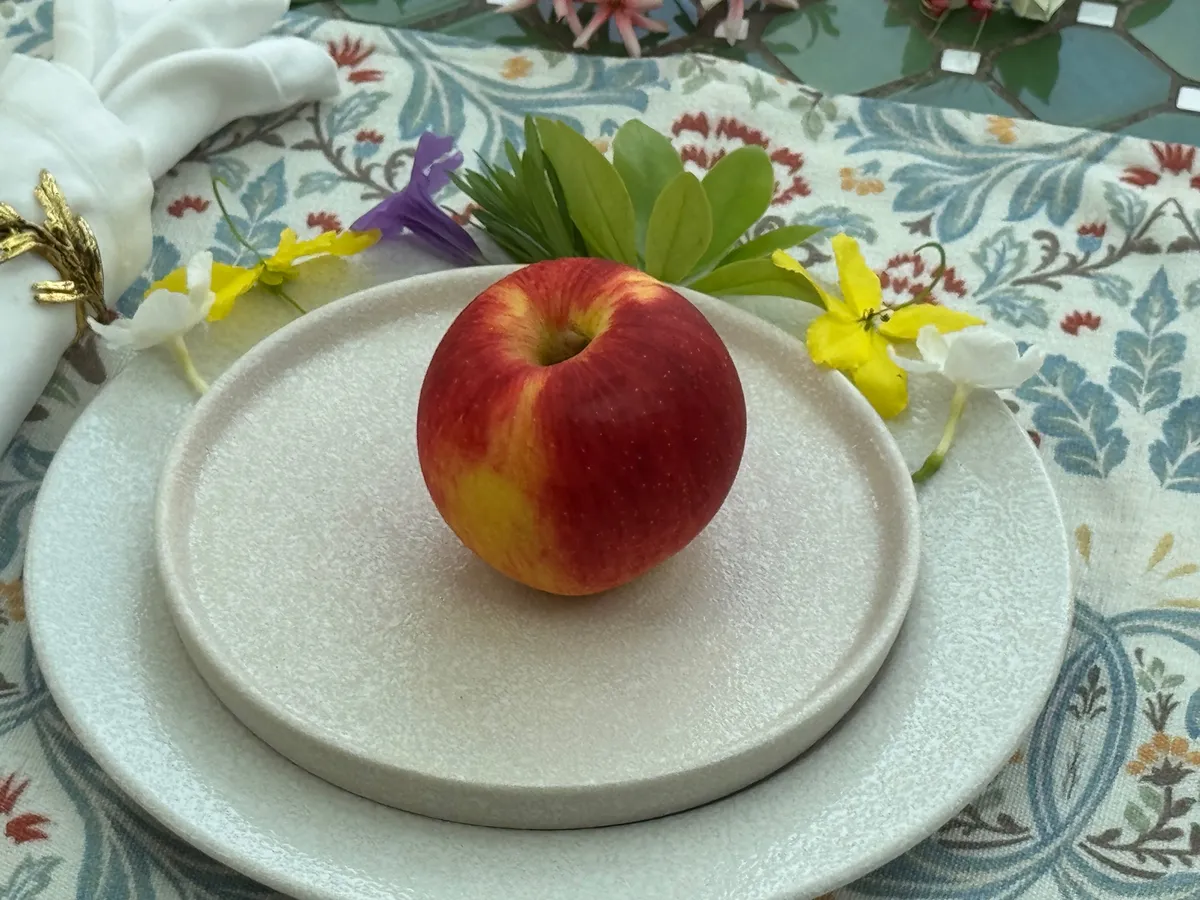
To break the fast, we eat an apple together in a calm and mindful way. At home, it is lovely to set the table nicely for your first meal: a favourite tablecloth, your best bowl and perhaps a leaf or flower collected on one of our walks. If you are travelling, a hotel table works just as well.
Sitting down with both feet on the ground, you take a deep breath and bite into the apple slowly. Notice the texture, the juice and the sweetness, and chew each mouthful thoroughly. Chewing is the signal that tells your whole digestive system that food is on its way.
If a raw apple feels too firm, a gently baked or stewed apple, a ripe banana or a few pieces of ripe papaya are lovely alternatives.
Each day brings a little more variety, a little more substance and, from the second day, gentle protein. Simple meals with two or three ingredients are easier to digest than complex dishes, and they make it easier to notice how your body reacts to each food.
After the apple meditation, the first day consists of small portions of soft, steamed vegetables such as pumpkin (bí đỏ), carrot or chayote (su su). Without salt, oil or seasoning, the natural flavour of each vegetable comes through. If you are still hungry at dinner, three or four spoonfuls of plain rice congee (cháo trắng) or a small steamed sweet potato (khoai lang) are welcome. A warm vegetable broth or a fresh vegetable juice 20 to 30 minutes before a meal can help with satiety.
On the second day, soft and warm dishes bring more substance: oat or rice congee, pumpkin soup and clear vegetable soups. Silken tofu (đậu hũ non), tofu, unsweetened yoghurt and unsweetened soy milk add the first gentle protein, roughly 15 to 25 g across the day. A pinch of salt and up to one teaspoon of coconut or olive oil per meal are fine. Everything is still cooked. Fresh vegetable juice is the one raw exception.
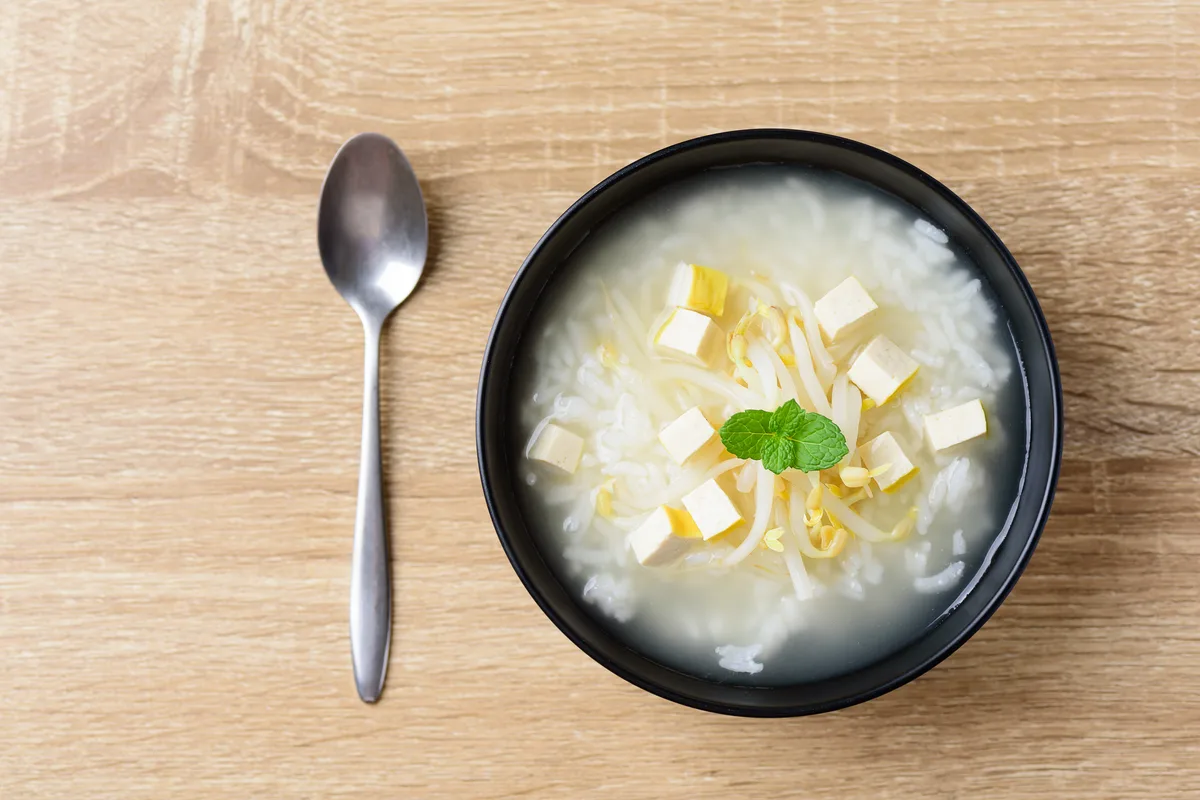
Cháo has always been the dish Vietnamese families cook for someone who is recovering or simply needs something gentle. It is soft and warm, and it digests quickly. Adding tofu or, from day 3, an egg turns it into a meal with protein that keeps you satisfied for longer.
By the third day, your digestion is ready for a little more. A steamed egg, steamed white fish, tofu in a soft tomato sauce or a mild chicken congee bring protein to every meal, roughly 40 to 60 g across the day, alongside rice, cooked vegetables and fresh herbs. A small portion of raw vegetables at lunch is fine if your digestion feels comfortable. Raw salads in larger amounts follow from day 4.
Your building-up days at a glance
| Breakfast | Lunch | Dinner | |
|---|---|---|---|
| Day 1 | Apple meditation, or ripe papaya or banana, with herbal tea | Steamed pumpkin or carrot, about a fist, with warm broth before | Steamed carrot and su su, plus 3 to 4 spoonfuls of cháo trắng if hungry |
| Day 2 | Oat porridge with banana, or papaya with unsweetened yoghurt | Cháo bí đỏ with silken tofu, or steamed sweet potato, su su and tofu | Canh rau ngót with tofu, or a smooth potato and carrot soup |
| Day 3 | Steamed egg (trứng hấp) with oats, or a soft-boiled egg with papaya | Steamed fish with ginger (cá hấp gừng), rice and greens, or tofu in tomato sauce with rice | Clear canh with fish or tofu and a little rice, or a mild phở gà with light broth |
At the retreat, we share the same plan as our Food Matrix, which you are welcome to save or print.
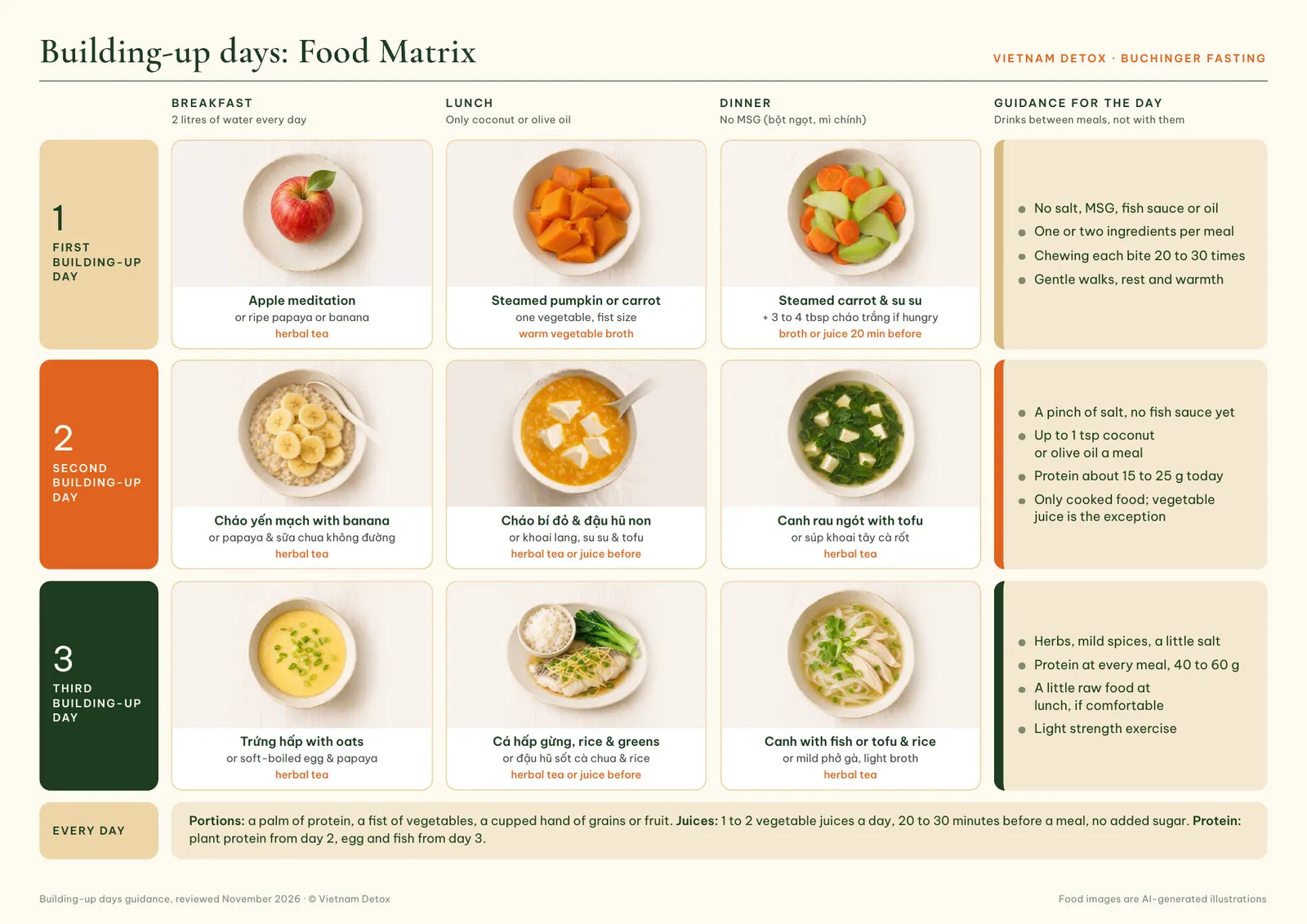
These suggestions are our house guide rather than a strict prescription. If a meal feels like too much, it is perfectly fine to stay a little longer at the previous step. After a longer fast, it can also be helpful to take an extra building-up day.
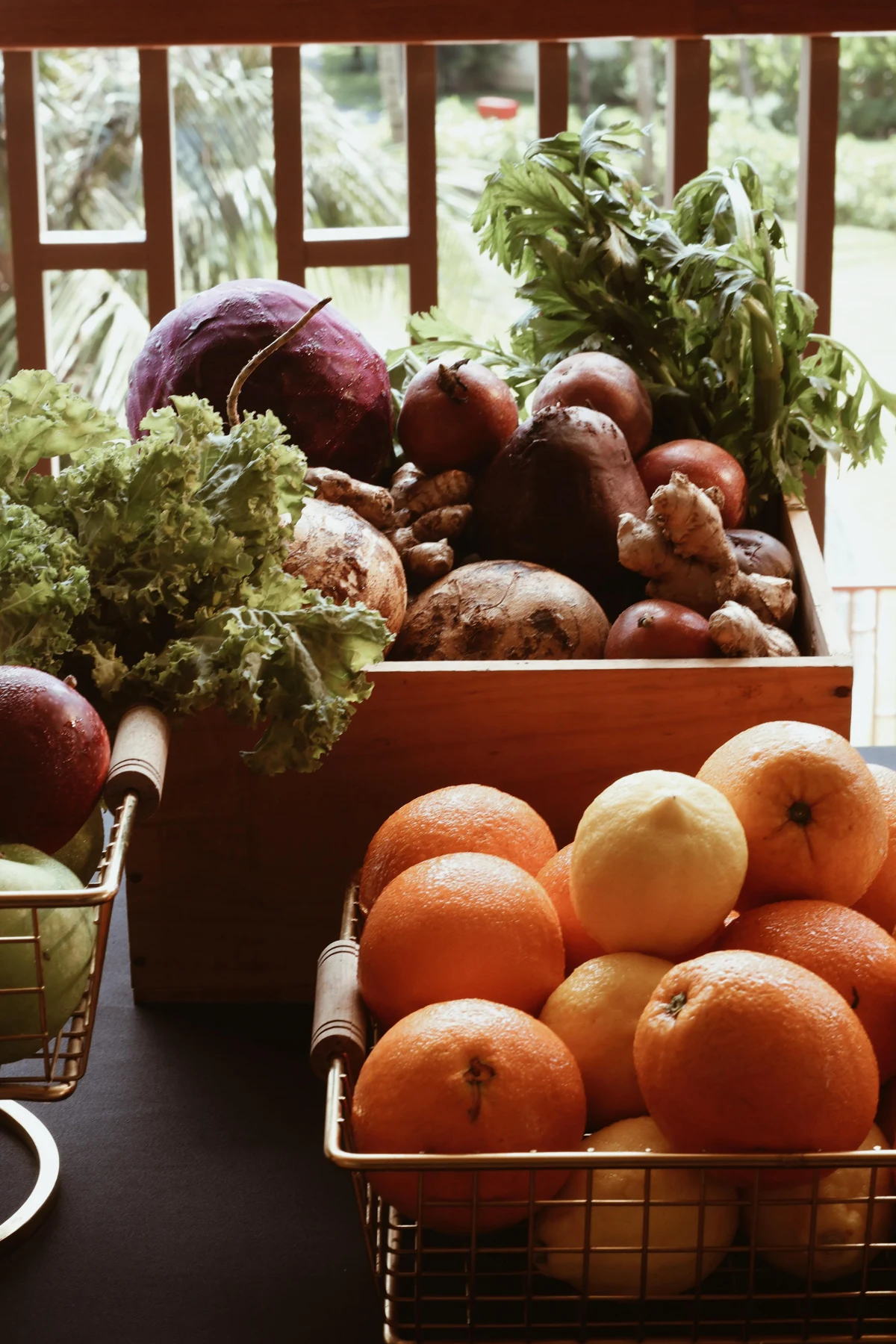
Protein provides the building blocks for muscle, skin, enzymes and the immune system. Bringing it back gently from the second day, and at every meal from the third, helps your body rebuild what it used during the fast.
Approximate protein in foods that are easy to find in Vietnam
| Food | Portion | Protein |
|---|---|---|
| Egg (trứng gà) | 1 egg | about 6 g |
| Tofu (đậu phụ) | 100 g | about 8 to 11 g |
| Silken tofu (đậu hũ non) | 100 g | about 5 g |
| Unsweetened soy milk, not diluted | 250 ml | about 7 g |
| Unsweetened yoghurt (sữa chua không đường) | 100 g | about 3 to 4 g |
| Rolled oats (yến mạch) | 40 g | about 5 g |
| Tilapia or red tilapia (cá diêu hồng), raw | 100 g | about 17 to 20 g |
| Basa fillet (cá basa), raw | 100 g | about 10 to 15 g |
| Chicken breast (ức gà), raw | 100 g | about 22 to 23 g |
Values are approximate and refer to raw weight unless stated. Basa fillets vary a lot, partly because frozen fillets often contain added water, so tilapia or a fresh local white fish gives you more protein per portion.
After the building-up days, around 1.0 to 1.2 g of protein per kilogram of body weight a day suits most healthy adults. If you train regularly, up to about 1.6 g can be helpful. In practice, a palm-sized portion of fish, egg, tofu or lean meat at every meal gets most people there. If you live with kidney disease, it is best to agree your protein intake with your doctor.
Study spotlight
Journal: Journal of Cachexia, Sarcopenia and Muscle, 2022
Who was studied: A meta-analysis of 74 randomised trials that tested different protein intakes alongside strength training.
What was found: Higher protein intake gave a small additional gain in lean mass when combined with strength exercise. For adults over 65, the benefit appeared at around 1.2 to 1.6 g per kilogram of body weight a day.
Limits: The trials varied widely, the extra gains were modest, and none studied people who had just completed a fast. Training itself remained the main driver of muscle gain.
The typical Vietnamese diet already contains a fair amount of protein, about 80 g a day according to the latest national nutrition survey, but much of it comes from pork and other red meat. The Ministry of Health now recommends eating fish, poultry and nuts every day and limiting red meat. The building-up days are a lovely moment to make that shift.
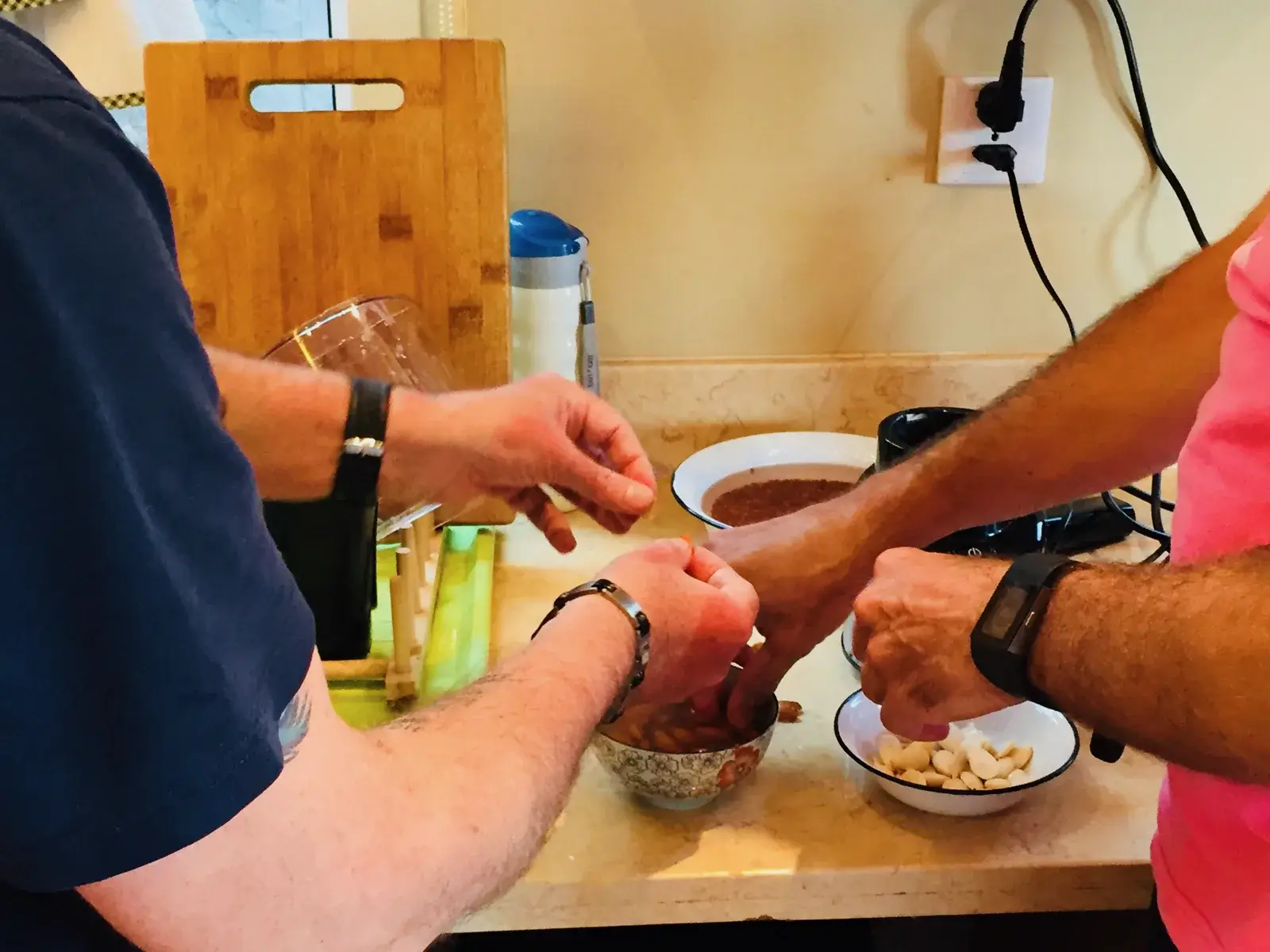
These recipes use everyday Vietnamese ingredients, little oil and no sugar. Each makes one portion.
Since your body has become used to very little food, a large meal can easily feel uncomfortable. A few simple habits help:
•Start with roughly half your usual portion and increase gradually.
•Use smaller plates and bowls, which make portions feel generous.
•Eat slowly and chew well. Around 20 to 30 times a mouthful is a useful rough guide, and studies show that slower, longer chewing tends to reduce hunger.
•Stop when you feel satisfied rather than full.
•Keep meals free of screens, which easily lead to eating without noticing.
•Use your hand as a guide: a palm of protein, a fist of vegetables and a cupped hand of grains or fruit.
Many simple Vietnamese dishes suit the building-up days well. Street dishes are usually prepared in advance, so asking for light seasoning works better than asking for a dish to be cooked differently.
Useful orders and phrases
| Order | What it is |
|---|---|
| Cháo trắng or cháo bí đỏ | Plain or pumpkin rice congee |
| Canh bí đao or canh rau ngót | Clear vegetable soups |
| Đậu hũ non hấp | Steamed silken tofu |
| Cháo gà or cháo cá (day 3) | Chicken or fish congee: “không hành phi, không tiêu, không ớt nhé” (no fried shallots, no pepper, no chilli) |
| Cá hấp gừng (day 3) | Steamed fish with ginger |
| Phở gà (day 3) | In the North: “ít bánh, nước trong, không mỡ”. In the South: “ít bánh, không lấy nước béo”. Both mean fewer noodles and a light broth without the fat. |
| For any order | “Cho em nêm nhạt, ít dầu mỡ, không bột ngọt nhé” (lightly seasoned, little oil, no MSG). In Hà Nội, say “mì chính” instead of “bột ngọt”. |
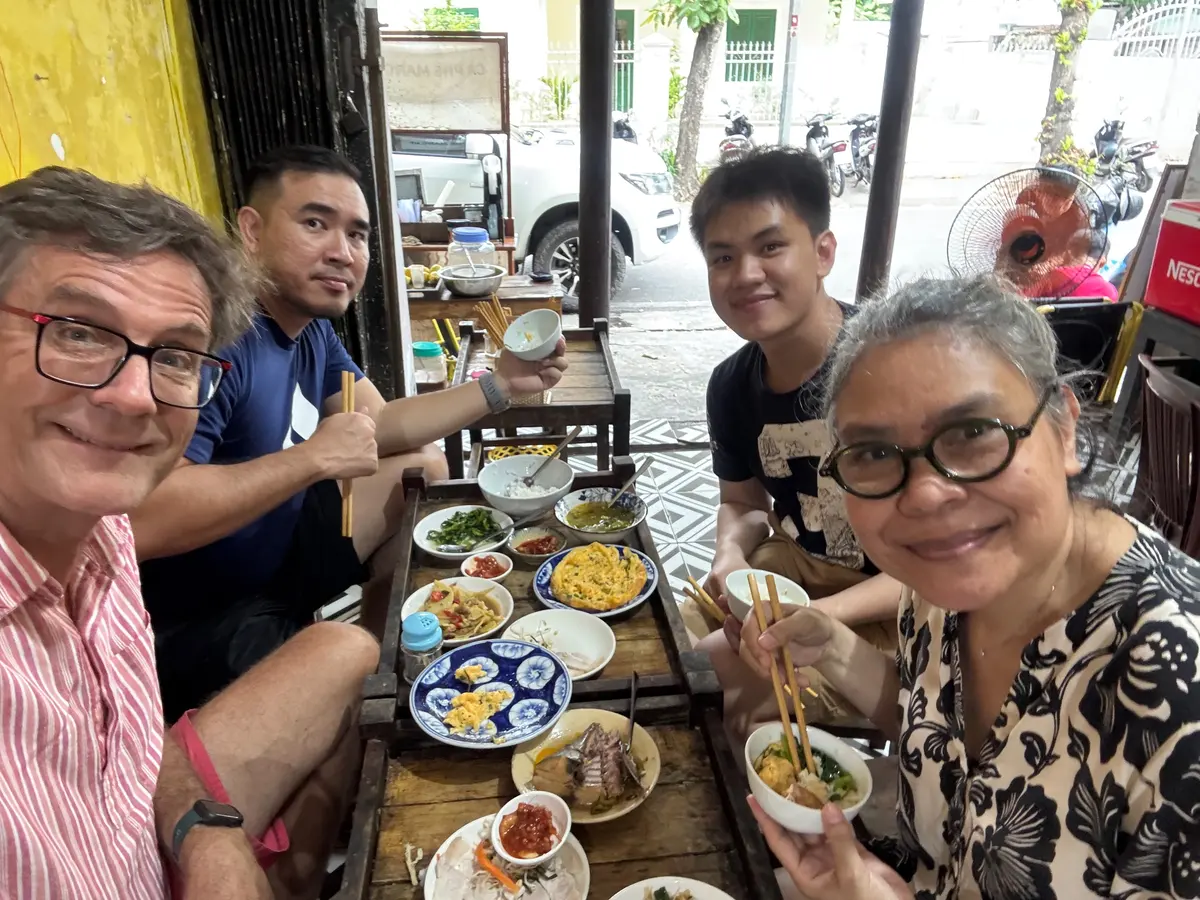
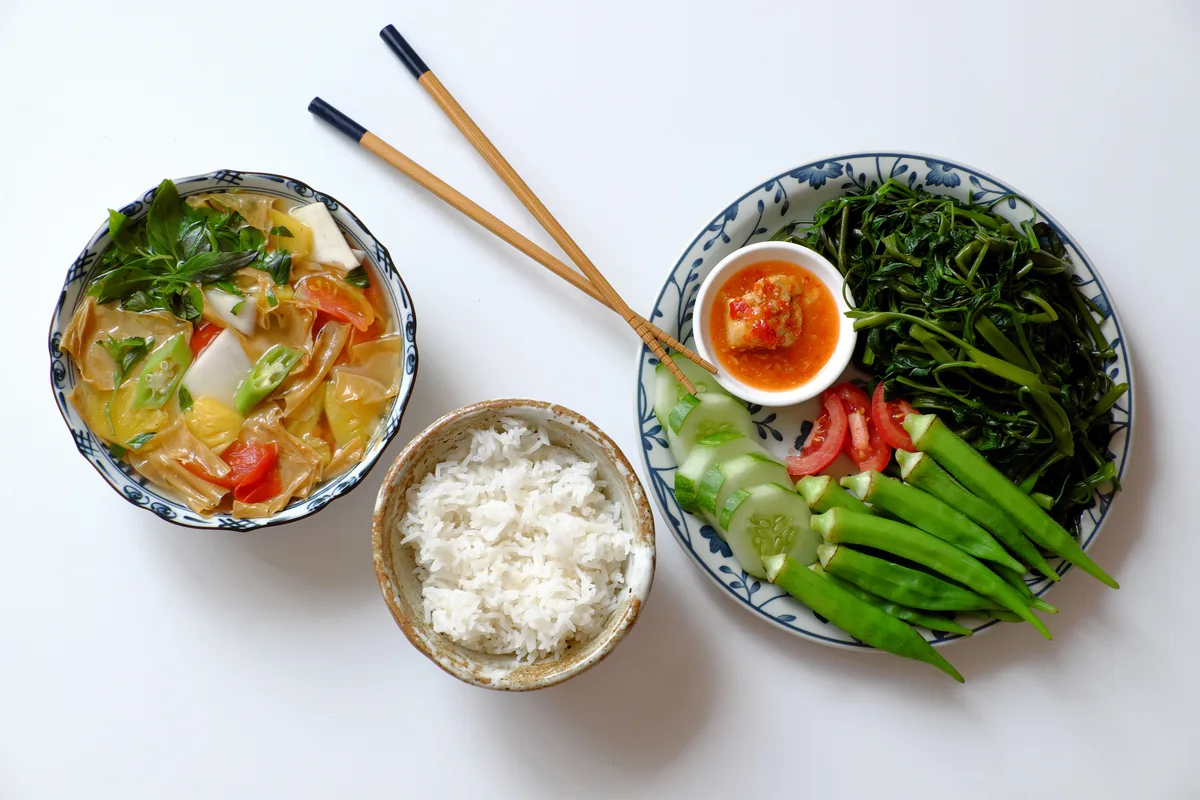
Many local restaurants, like this one in Huế, cook one set lunch for everybody and bring it to the table on a large tray of shared dishes. On day 3 this can work nicely: a bowl of canh, steamed or boiled vegetables, tofu or fish and a small portion of rice. The fried dishes, rich braises and salty side dishes can wait until next week.
Most of the salt in Vietnamese meals comes from seasoning powder (hạt nêm, bột canh) and fish sauce rather than from the salt shaker. Just 11 g of hạt nêm or 25 ml of nước mắm contains as much sodium as 5 g of salt, the World Health Organization’s limit for a whole day. Adults in Vietnam eat about 8 g of salt a day on average, so lightly seasoned food is worth keeping well beyond the building-up days.
Some foods are harder to digest or quickly undo the lightness of your fast. We suggest leaving these aside until the end of the following week:
•Sweet foods and drinks, including sweeteners. Your taste buds are especially sensitive now.
•Fried food, heavy restaurant meals and rich sauces.
•Pastries, white bread and highly processed, salty foods.
•Red and processed meat. We start with lighter proteins, and in the long run it is worth keeping red meat moderate and processed meat rare.
•Coffee and black tea, alcohol and strong chilli.
•Seasoning powder and stock cubes, mainly because of their high salt content.
•Large portions of nuts, peanut sauce and other rich dishes.
•Non-dairy creamer, sweetened milk drinks, ready meals and airline meals.
Many guests also find room-temperature or warm drinks more comfortable than iced drinks in the first days. If you are thinking of taking an over-the-counter antacid, it is best to check with a doctor or pharmacist first. And please never stop a prescribed medicine without talking to your doctor.
Foods welcome again in small amounts follow a simple order. From day 2: a pinch of salt, tofu, silken tofu, unsweetened yoghurt and soy milk. From day 3: eggs, white fish, a little chicken, a few drops of fish sauce, fresh herbs and mild spices. From day 4: raw salads, wholegrain rice, beans and lentils in small portions.
During a fast, your body releases more growth hormone than usual. It helps the body draw on fat stores and appears to help spare protein. Once you eat again, growth hormone settles back into its usual daily rhythm. From then on, it is the combination of enough protein and regular strength exercise that rebuilds muscle.
Movement during the building-up days keeps circulation, digestion and mood up. Gentle is the key word: your body is still adjusting. In the Vietnamese climate, early mornings before 8am and evenings after 5pm are the most comfortable times. Sipping water through the day works better than gulping iced drinks.
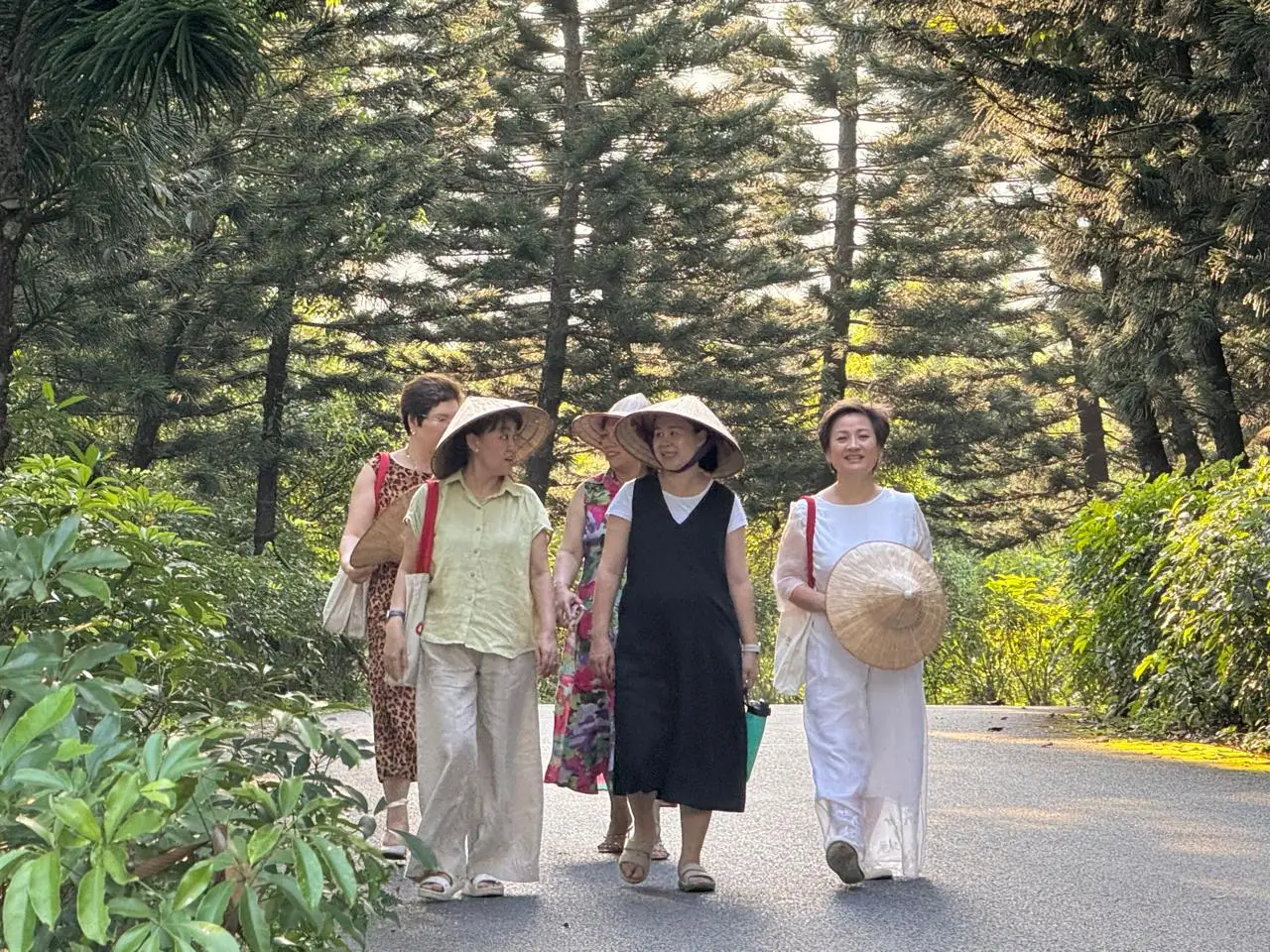
A short walk soon after a meal is one of the simplest habits to keep.
Study spotlight
Journal: Sports Medicine, 2023
Who was studied: A meta-analysis of 8 randomised crossover trials with 116 participants, 47 of whom had type 2 diabetes.
What was found: Light exercise after a meal, mostly walking, reduced the rise in blood sugar compared with resting. The sooner the activity started after eating, the larger the effect.
Limits: The trials were small and measured only short-term effects. Whether the habit changes long-term health has not yet been tested.
Movement during the building-up days and beyond
| Walking | Strength | How it should feel | |
|---|---|---|---|
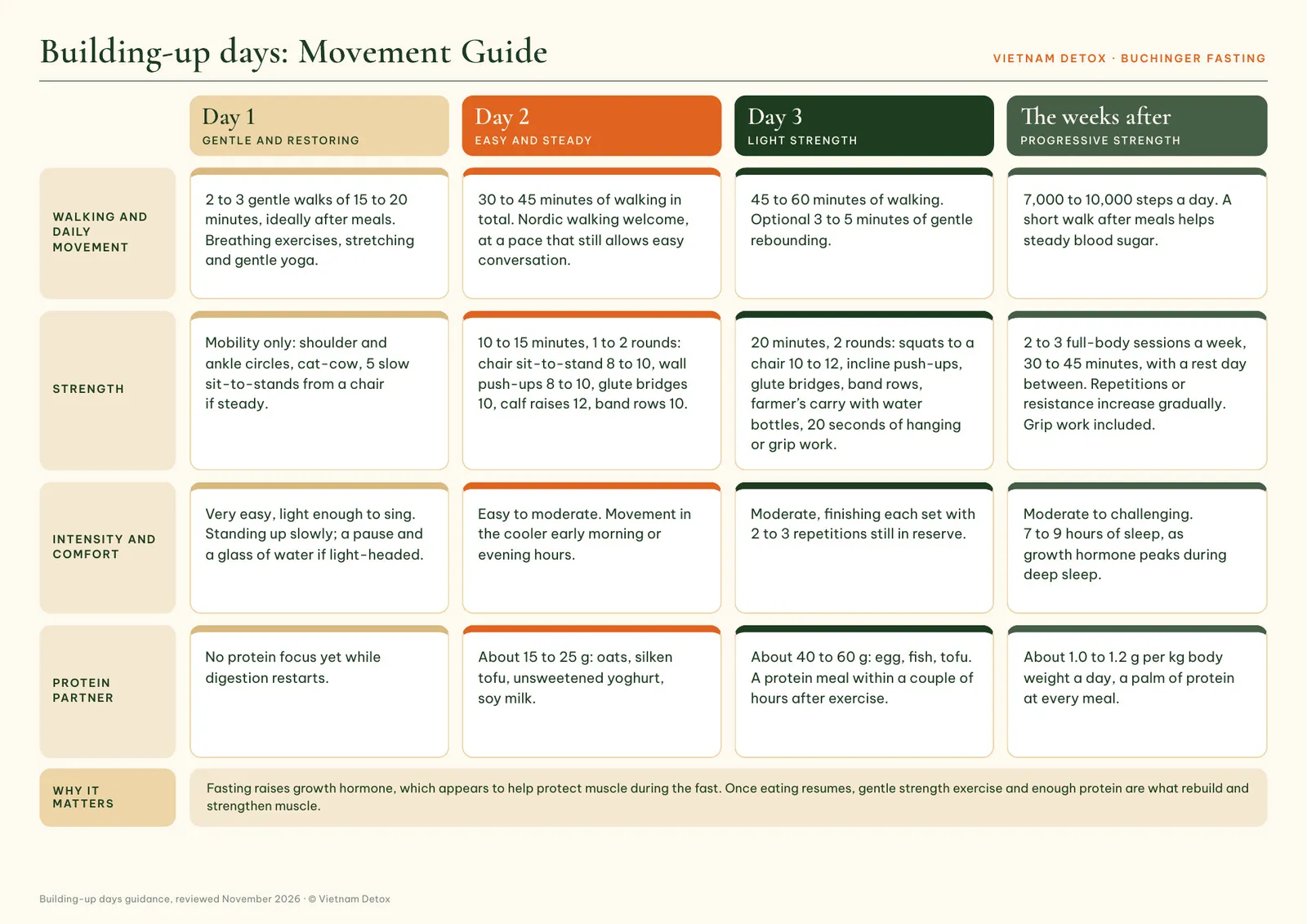
| Day 1 | 2 to 3 gentle walks of 15 to 20 minutes, ideally after meals, plus stretching and breathing | Mobility only: shoulder and ankle circles, cat-cow, 5 slow sit-to-stands if you feel steady | Very easy, light enough to sing |
| Day 2 | 30 to 45 minutes in total; Nordic walking is welcome | 10 to 15 minutes, 1 to 2 rounds of the routine below, 8 to 10 repetitions | Easy to moderate |
| Day 3 | 45 to 60 minutes; optional 3 to 5 minutes of gentle rebounding | 20 minutes, 2 rounds of 10 to 12 repetitions, adding a farmer’s carry and grip work | Moderate, stopping with 2 to 3 repetitions in reserve |
| The weeks after | 7,000 to 10,000 steps a day, with short walks after meals | 2 to 3 full-body sessions a week, 30 to 45 minutes, with a rest day in between | Moderate to challenging, increasing gradually |
Our Movement Guide brings the same steps together on one page.
•Chair sit-to-stand: standing up from a chair and sitting down again slowly.
•Wall or bench push-ups: hands on a wall or the edge of a table.
•Glute bridge: lying on your back with knees bent, lifting the hips.
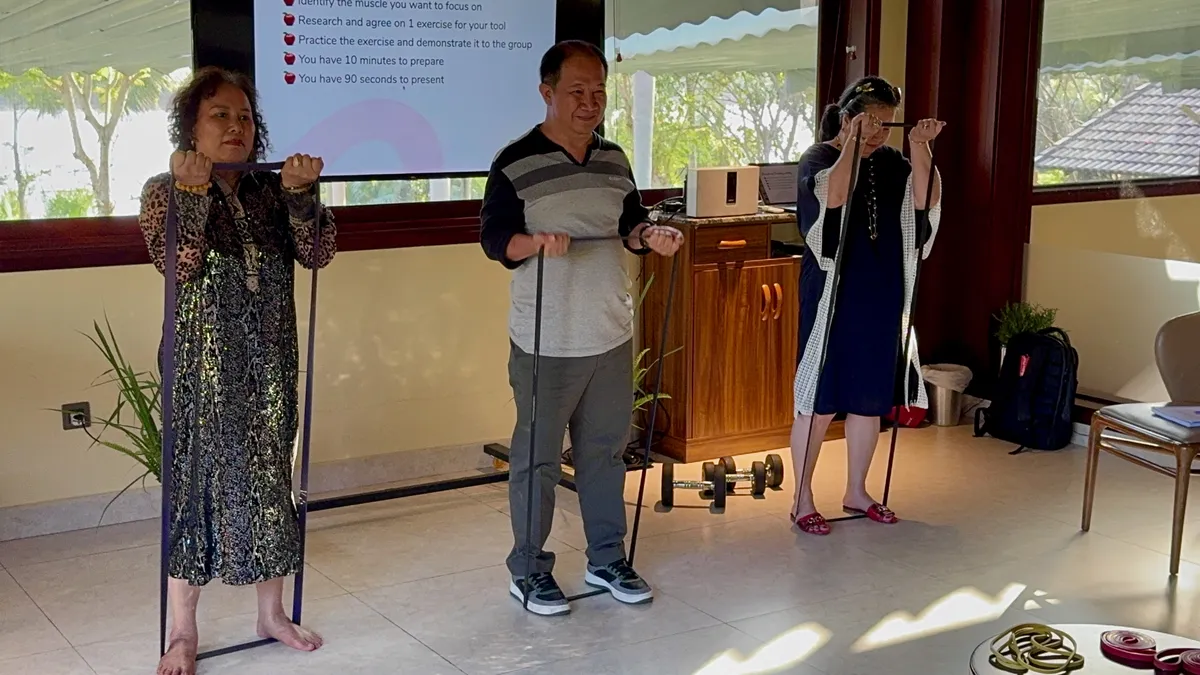
•Band row: pulling a resistance band towards your chest.
•Calf raises: rising onto your toes and lowering slowly.
•Farmer’s carry (from day 3): walking for 30 seconds with a full water bottle in each hand.
•Grip work (from day 3): squeezing a rolled towel or hanging from a bar for 20 seconds. Our article Get a grip: what your hand strength says about your health explains why grip matters.
The World Health Organization and Vietnam’s Ministry of Health both recommend strength exercise for all major muscle groups on at least two days a week. Yet in Vietnam’s latest national survey, more than one in five adults did not reach the recommended level of physical activity, and among women it was more than one in four. A few minutes of strength work after your fast can be the start of a lasting habit. Stopping each set when you could still manage two or three more repetitions keeps it safe and effective.
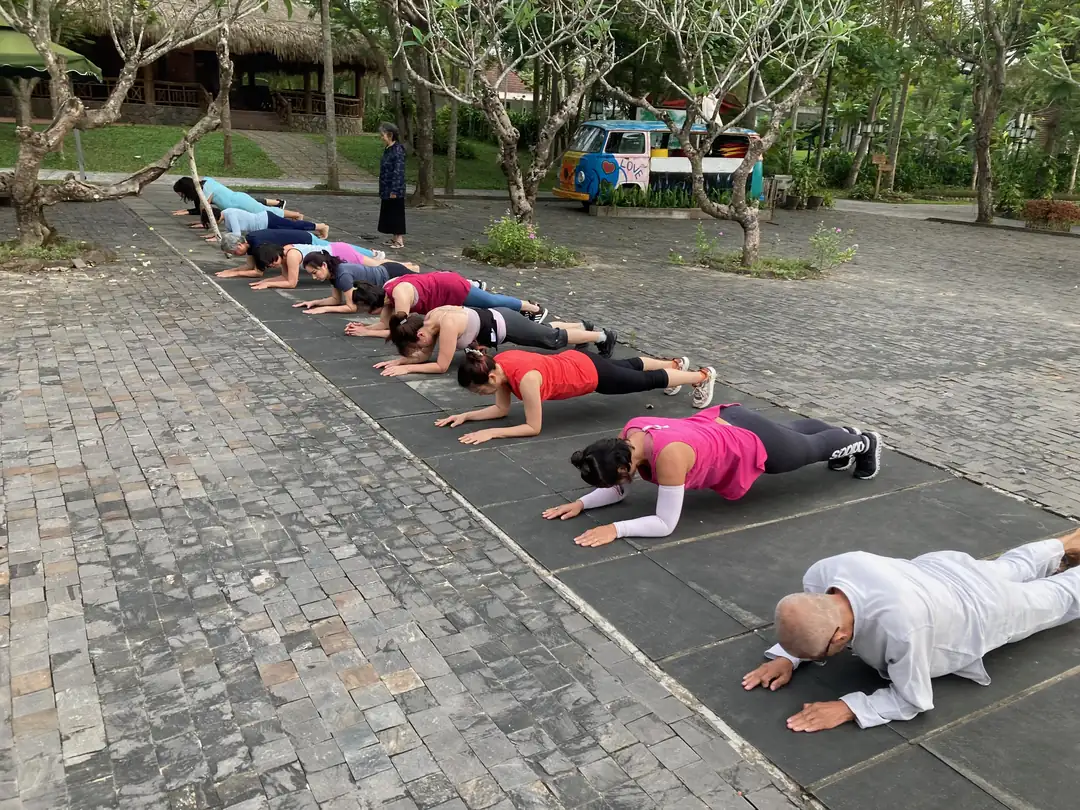
Some light-headedness when standing up quickly is common in the first days. Rising slowly, sitting down for a moment and drinking a glass of water usually helps. A meal with protein within a couple of hours of exercise is a convenient habit, although your total protein over the day matters most. Seven to nine hours of sleep complete the picture, as the largest daily pulse of growth hormone comes early in the night, during deep sleep.
•Hunger and cravings: a warm broth or vegetable juice 20 to 30 minutes before a meal, slow chewing and a little protein from day 2 all help.
•Bloating or wind: simpler meals with fewer ingredients, cooked rather than raw food, and leaving cabbage, onion, beans and broccoli for a few days usually bring relief. Our article Why you’re bloated and how to address it has more ideas.
•Constipation: plenty of water between meals, ripe papaya or banana, a warm drink in the morning and daily walks help the bowel find its rhythm again.
•Tiredness or light-headedness: rest, gentle movement, enough water and, from day 2, a pinch of salt usually help.
Our tip
The building-up days are the bridge between your fast and your everyday life. Now is a good moment to think about how you would like to eat after the retreat, and to revisit the goals you set when you first joined us. After several days of fasting, many guests find it surprisingly easy not to fall back into old habits.
Signs worth discussing with a doctor
•Swollen ankles, a racing or irregular heartbeat, unusual breathlessness or marked weakness after your fast
•Light-headedness that does not ease with rest, water and a little salt
•Ongoing digestive discomfort, or no bowel movement after several days
•Medicines for diabetes, blood pressure or blood thinning, whose dose may need adjusting as you eat again
•Kidney disease, if you plan to increase your protein intake
Share this article
Questions about the building-up days? We would be glad to hear from you. Write to us.
With warm wishes,
Dieter and the Vietnam Detox team
Next step
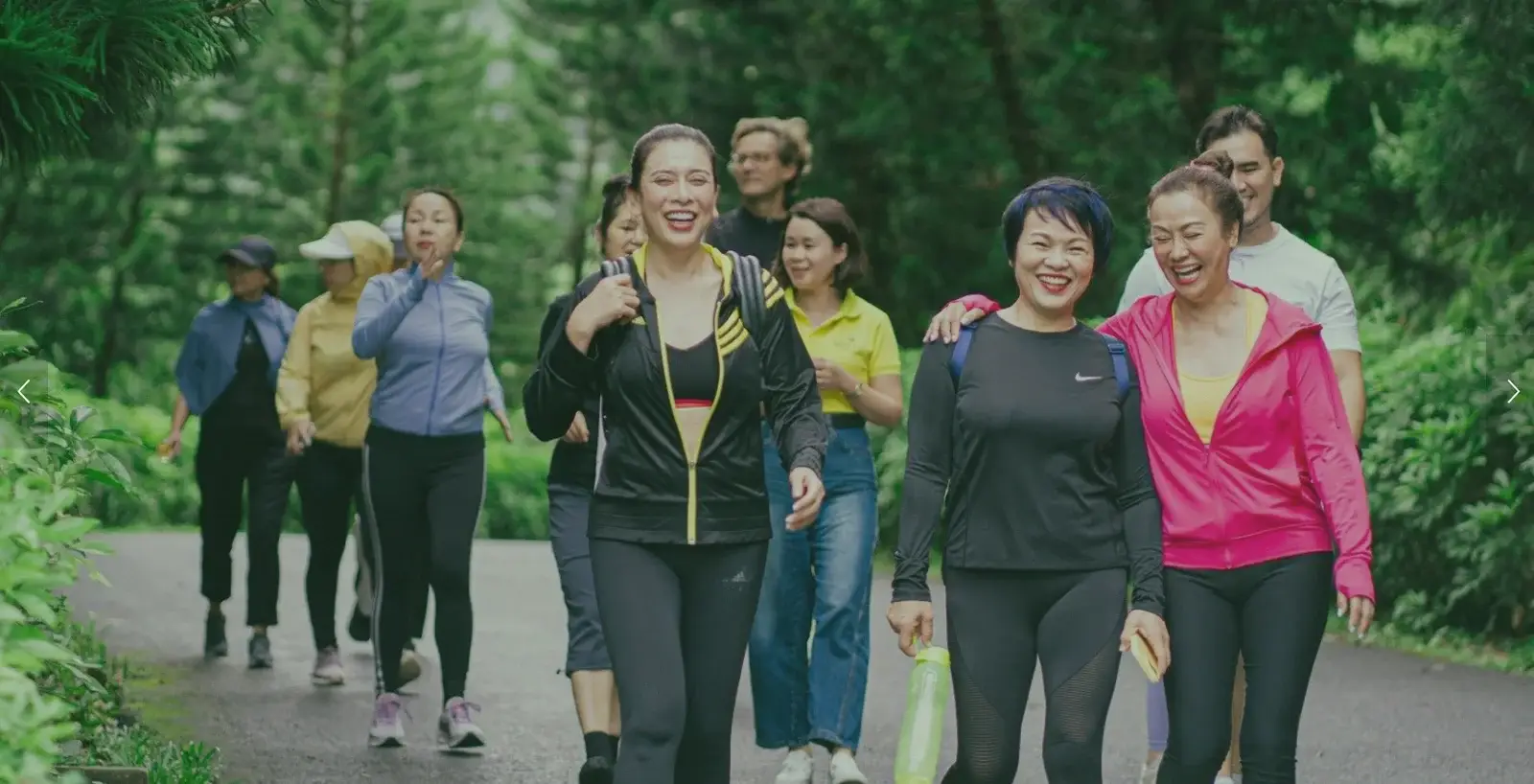
Our preventive wellness retreats combine Buchinger fasting, careful building-up days, daily walks and time in nature.
 "An" Retreat @ Legacy Yen Tu MGalleryLegacy Yên Tử MGalleryMountain stillness, mindfulness and guided fasting in Yên TửNext retreat: 25–29 November 2026Discover →
 Yên RetreatAlba Wellness Valley, HuếNatural hot springs, herbal baths and deep restNext retreat: 16–20 December 2026Discover →
 Hồi Retreat @ Fusion Resort & Villas Da NangFusion Resort & Villas Da NangSunrise beach walks, sea air and gentle fasting by the coastNext retreat: 20–24 January 2027Discover →