Healthy Ageing Journal
GLP-1 injections can help people lose a fifth of their body weight. But how much of that is muscle, which side effects should you know about, and how does a fasting retreat compare? Here is what the latest research shows, and what it means for you.
Weight-loss injections have become one of the most talked-about health topics of our time. Names such as Ozempic, Wegovy, Saxenda and Mounjaro are now as familiar on social media as they are in doctors' surgeries, and more and more of our guests ask us what we think about them.
It is a fair question. These medicines have changed the treatment of obesity and type 2 diabetes, and for many people they are a genuine help. At the same time, researchers are asking an important question: when the scale goes down so quickly, what exactly is being lost? Fat, or also the muscle we need to stay strong and independent as we age?
In this article we explain what GLP-1 injections are, how they work and what the latest studies say about muscle loss and side effects. We look at the situation in Vietnam, compare the injections with fasting as we practise it at our retreats, and we would love to hear about your own experience.
GLP-1 stands for glucagon-like peptide-1, a hormone your gut releases after you eat. It tells the pancreas to release insulin, lowers blood sugar and signals to the brain that you have had enough.
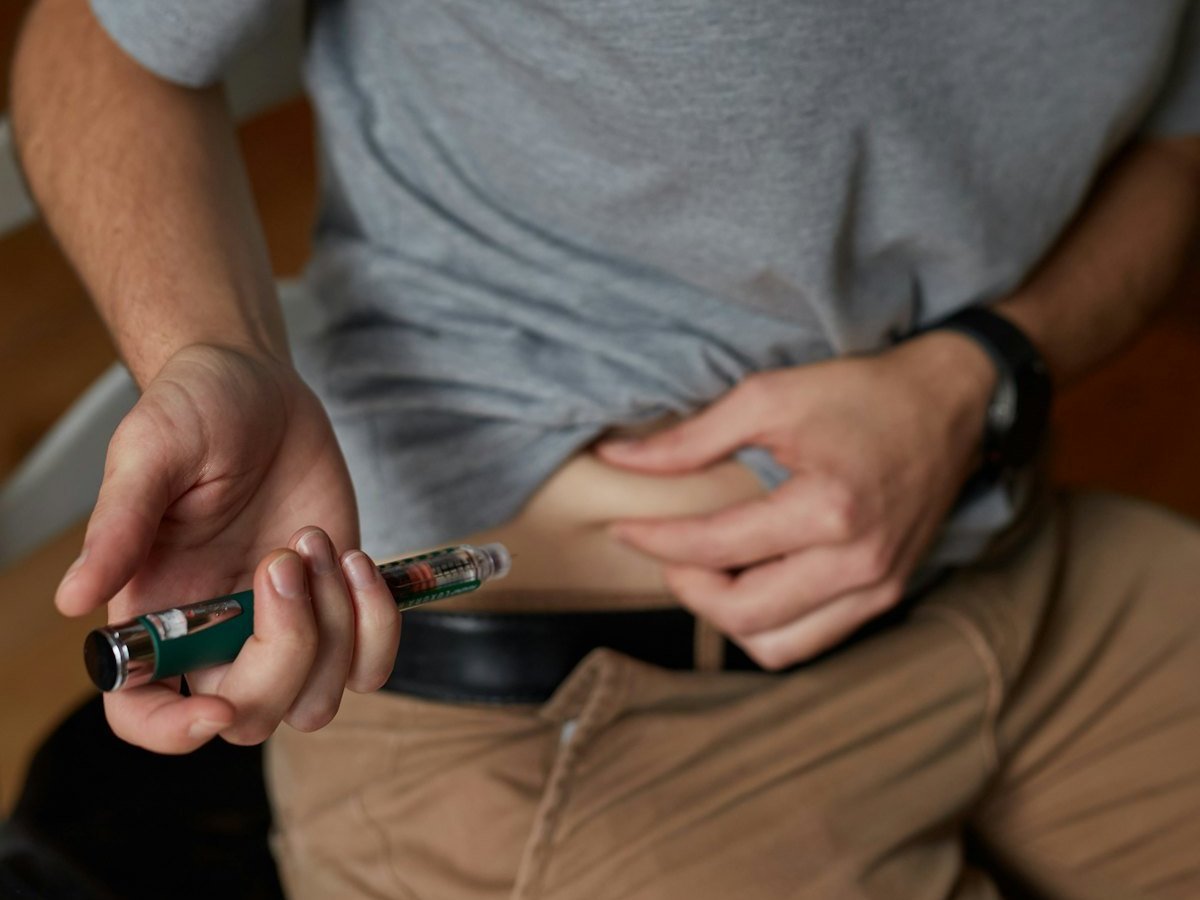
The medicines known as GLP-1 receptor agonists copy this natural hormone, but they last far longer in the body. Most are injected once a week with a small pen. The best known are semaglutide (sold as Ozempic for diabetes and Wegovy for weight loss), liraglutide (Victoza and Saxenda) and dulaglutide (Trulicity). Tirzepatide (Mounjaro) goes one step further and mimics a second gut hormone, GIP, as well.
Originally developed for type 2 diabetes, these medicines are now also approved for weight management in many countries. Since late 2025, the first tablet versions for weight loss have also been approved in the United States, and in Europe since November 2026.
In brief
The results are impressive. In the large clinical trials, people taking weekly semaglutide lost around 15% of their body weight over about 16 months. With tirzepatide, average weight loss reached around 20%. The tablet versions tend to produce somewhat smaller results.
There are other benefits too. In people with heart disease and overweight, semaglutide has been shown to reduce the risk of heart attacks and strokes, and many people see improvements in blood sugar, blood pressure and liver fat.
But these medicines only work for as long as people take them. A major analysis published in 2026, which pooled 37 studies with more than 9,000 adults, found that after stopping, people regained weight at a rate of almost 1 kg a month and were back at their starting weight after about a year and a half. Blood sugar and cholesterol returned to their previous levels even sooner. Weight returned faster than after stopping a diet and exercise programme.
When you lose weight, you never lose fat alone. Part of what disappears is so-called lean mass: muscle, but also water, stored carbohydrate and organ tissue. A long-standing rule of thumb is that around a quarter of weight lost through dieting comes from lean mass.
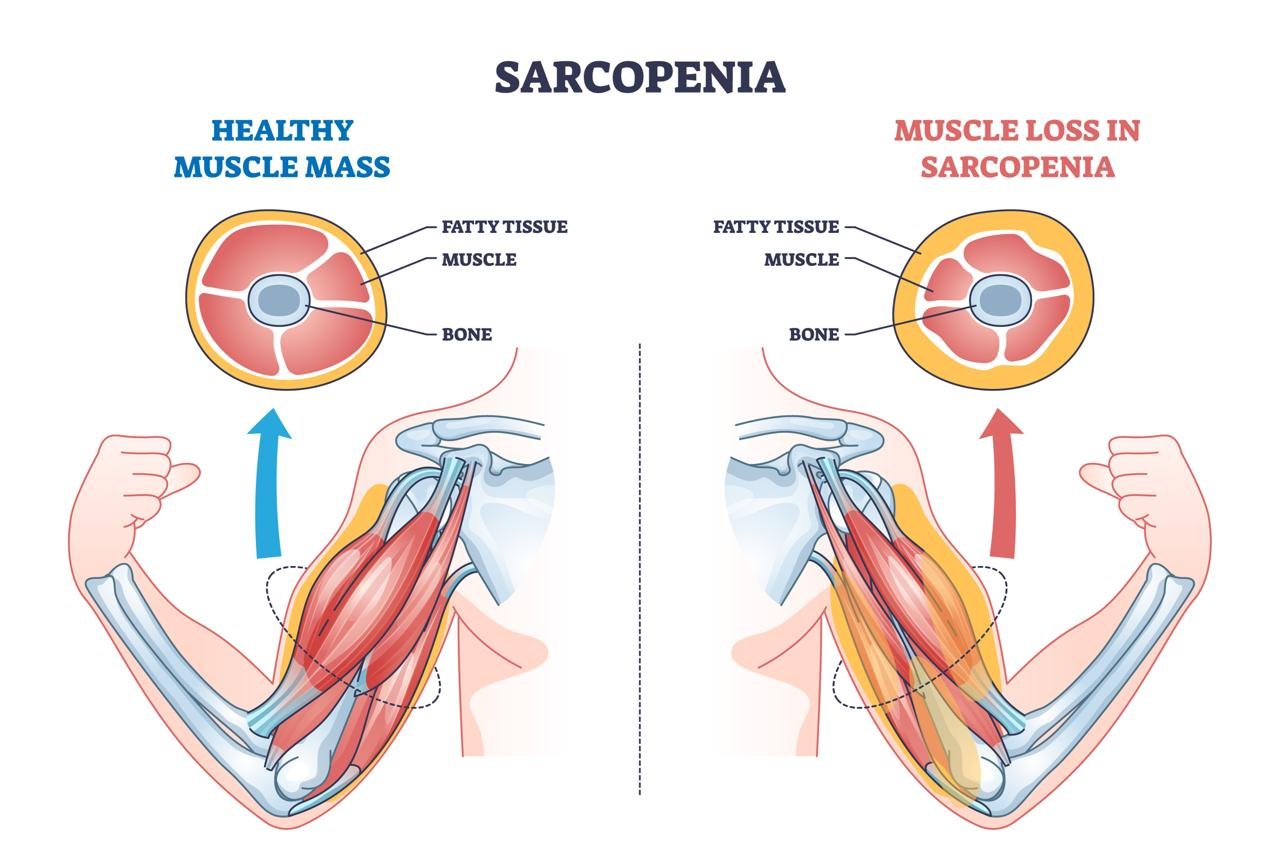
With GLP-1 medicines, studies have found that lean mass accounts for between a quarter and almost 40% of the weight lost. In 2024, a group of leading muscle researchers warned in a medical journal that the amount of lean mass lost within a year of treatment could exceed what people normally lose over a decade of ageing.
That sounds alarming, and it explains much of the concern you may have read about. The latest research, however, paints a more nuanced picture.
A team at the Charité university hospital in Berlin studied this question in detail and published their results in 2026. In mice given tirzepatide, body fat fell by around 73%, while lean mass fell by about 13%. A surprising part of that lean mass loss came from the liver, which shrank by up to half within a week as stored fat and carbohydrate were used up.
This matters because the body scans most often used to measure body composition count the liver as lean mass. Some of what looks like muscle loss on a scan may therefore be a shrinking, healthier liver. The mice on the medicine also ran further on the treadmill, not less.
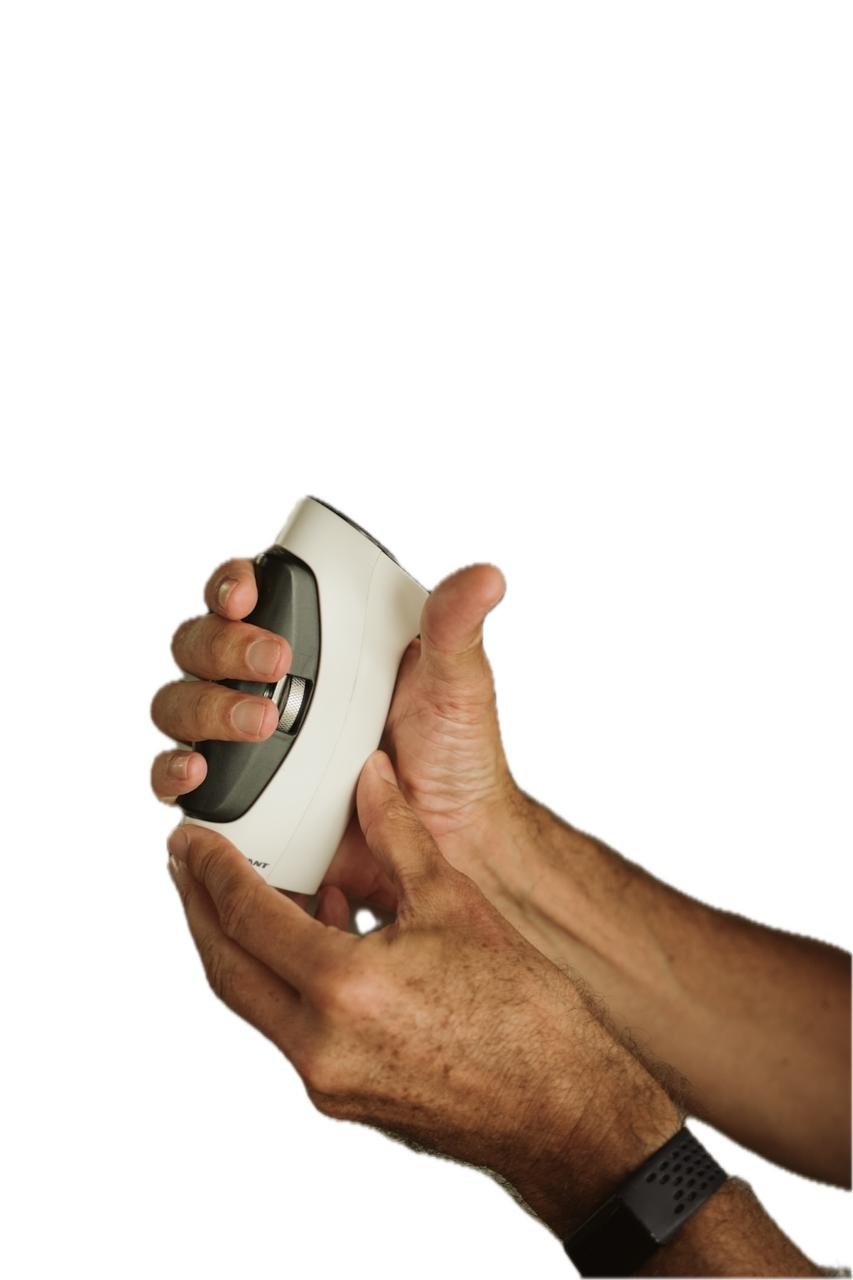
The researchers then followed ten people taking semaglutide for twelve weeks. About 70% of their weight loss was fat and 30% lean mass, yet their leg strength and grip strength did not fall. Measured relative to their new, lower body weight, they had actually become stronger.
Key insight
For everyday life, what matters is not just how many kilograms of muscle you have, but how much strength you have relative to your body weight. Climbing stairs, getting up from a chair or carrying shopping all become easier when there is less weight to move, as long as strength is maintained.
This is reassuring, but it is not the whole story. The human study was small, and some animal studies have found that certain muscles became weaker during treatment. The concern is greatest for people who have little muscle to spare.
Extra care
For older adults in particular, a little extra weight is not always a problem. A large analysis of studies in people over 65 found that the risk of dying only began to rise at a BMI of around 33, while being on the thin side carried a higher risk. For this group, protecting muscle and strength matters more than the number on the scale.

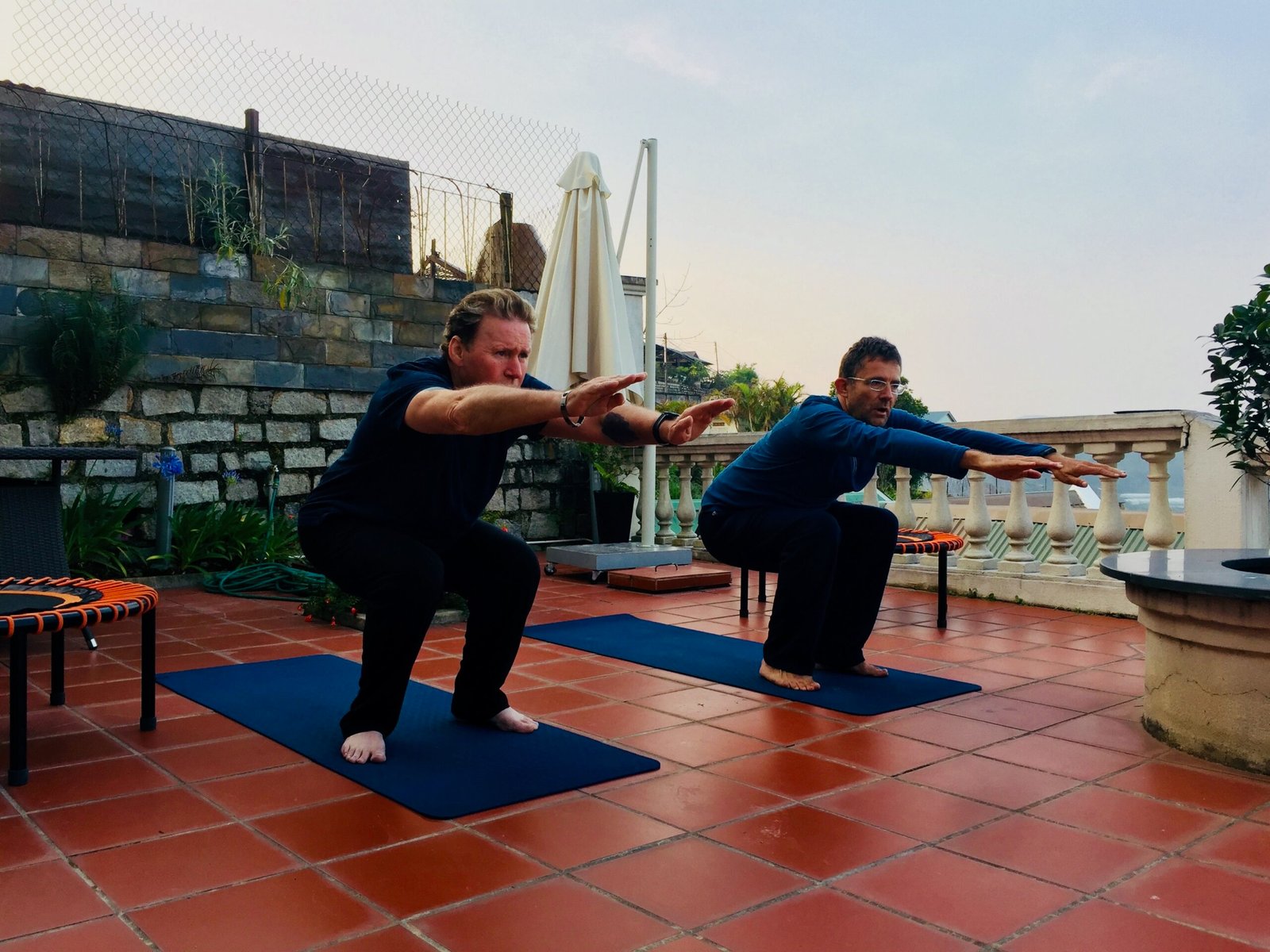
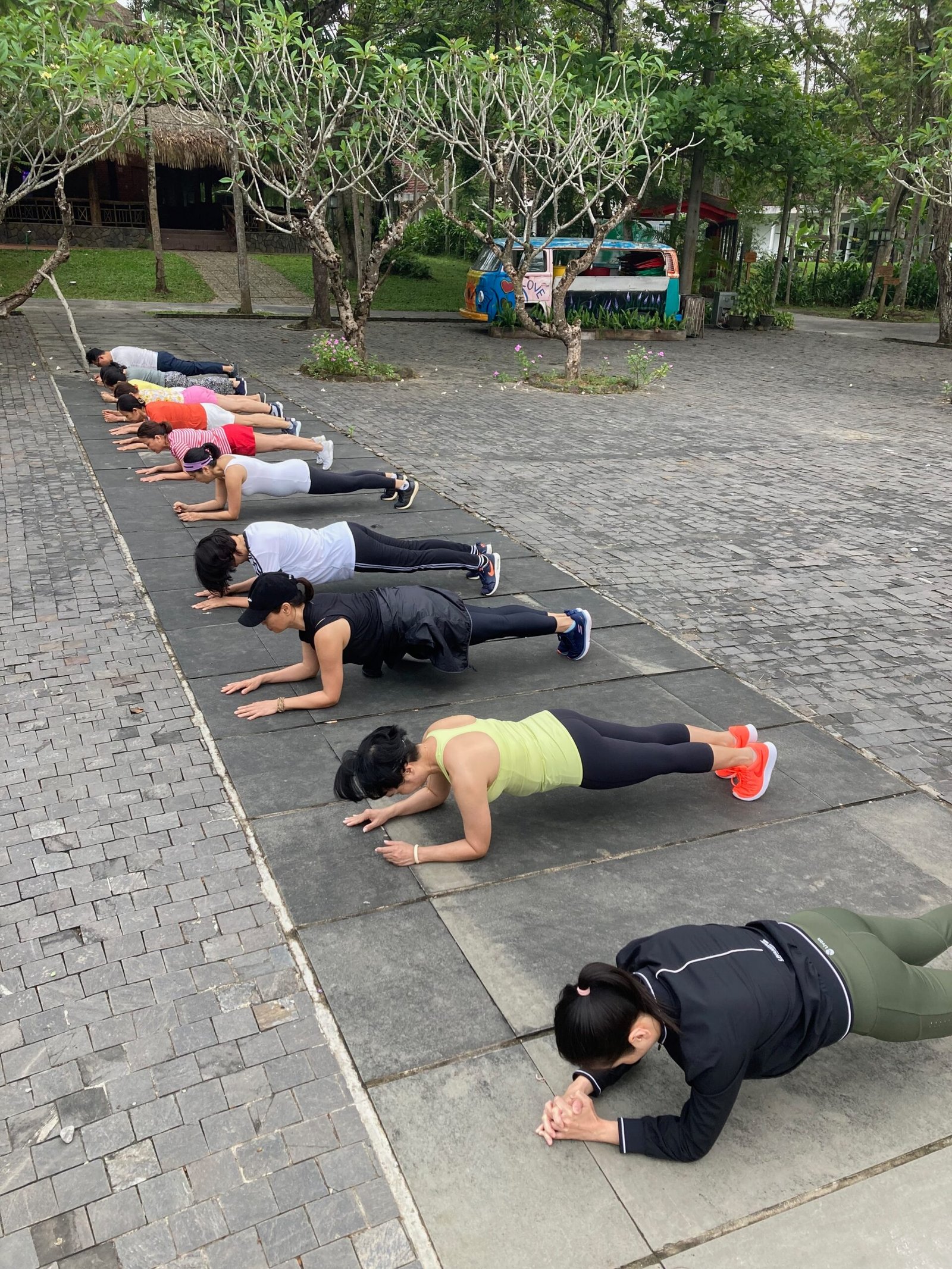
The good news is that muscle responds to the right signals at any age. A clinical trial published in November 2026 followed 120 adults aged 50 to 70 who took tirzepatide for 40 weeks. Both groups lost around 17 to 18 kg of fat. Those who also did supervised strength training three times a week lost about a quarter less lean mass, and their strength increased, while it fell in the group that took the medicine alone. In other words, the training did not change how much weight people lost, but it changed what kind of weight they lost.
Strength training may not make weight loss bigger, but it often makes it better.
The Vietnam Detox Journal Tweet
Practical

Moving also does something that a medicine cannot. In the Berlin study, the energy-producing mitochondria in muscle cells became more active only in the leg that was allowed to move. Movement is the signal your muscles need.
GLP-1 medicines have been studied in many thousands of people and are considered safe when prescribed and monitored by a doctor. Like all effective medicines, they do have side effects. A large 2026 review that pooled the results of many clinical trials gives a clear overview.

Side effects
Some people also report low mood, which is being investigated further. Large studies have so far not confirmed a higher risk of suicidal thoughts, but anyone who notices changes in their mood should speak to their doctor.
Vietnam's weight problem is growing quickly. Around one in five adults is now overweight or obese, and the share of children and teenagers affected more than doubled between 2010 and 2020. Because people of Asian heritage tend to develop diabetes and heart disease at a lower body weight than Europeans, doctors in Asia use lower BMI thresholds, with overweight starting at 23 and obesity at 25.
Demand for weight-loss injections has risen accordingly, but the legal situation is different from Europe. As of mid 2026, semaglutide was registered in Vietnam as Ozempic for type 2 diabetes, while the medicine approved for weight management was liraglutide (Saxenda), for adults with a BMI of 30 or more, or 27 or more with a related health problem. Tirzepatide had not been licensed, and Wegovy was not yet available. Cheaper generic versions of semaglutide are expected in Asia as patents expire.
Warning
Vietnam's Drug Administration has warned that unlicensed weight-loss pens, including hand-carried pens from abroad, are being sold illegally online and on social media, often as a beauty product. Hospitals in Hanoi and Ho Chi Minh City have treated young women with acute pancreatitis after injecting themselves without medical advice, in some cases with only a mildly raised BMI. One young woman needed kidney dialysis. The World Health Organization has also warned about falsified semaglutide pens circulating worldwide.
If you are considering an injection

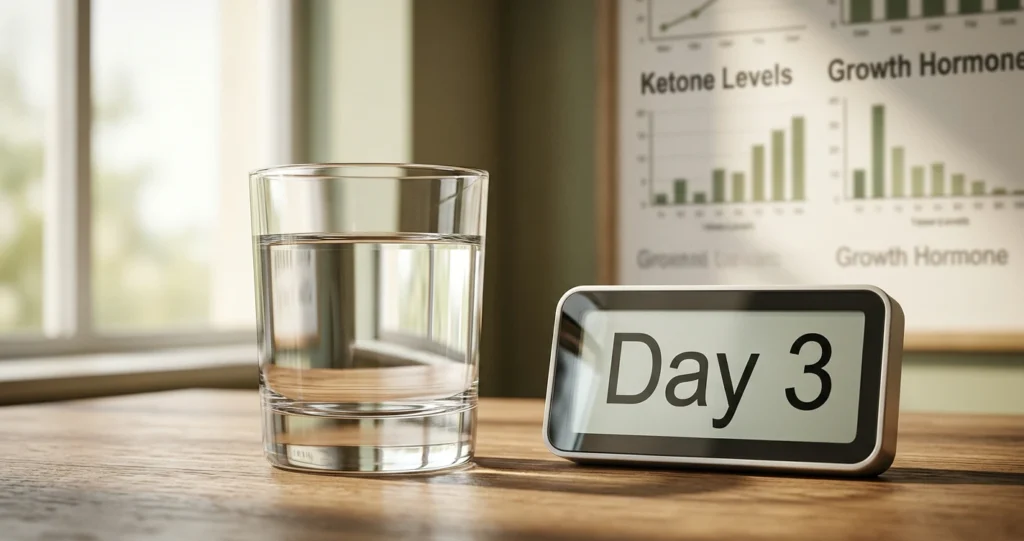
At our retreats we practise fasting based on the Buchinger method, which has been used in Europe for more than a hundred years. For five days, guests take freshly pressed juices, vegetable broths, herbal teas and plenty of water, combined with daily movement, rest, breathwork and learning sessions. The retreat ends with a careful return to food and practical guidance for home.
Fasting and GLP-1 medicines both reduce how much we eat, but they are very different tools.
| GLP-1 injections | Fasting at our retreats | |
|---|---|---|
| What it is | A prescription medicine taken weekly, usually for months or years | A guided, time-limited pause from solid food, usually five days |
| How it works | Copies a gut hormone that reduces appetite and slows digestion | The body switches from sugar to stored fat for energy, and digestion rests |
| Weight change | Around 15 to 20% over a year or more | Typically a few kilograms, partly water and stored carbohydrate |
| Muscle | Lean mass loss of a quarter to almost 40% of weight lost, less with strength training | Studies with daily activity show muscle strength is maintained |
| Appetite | Reduced for as long as the medicine is taken | Many guests find hunger fades after the first days and they feel calmer around food |
| After stopping | Weight tends to return within one to two years | Results last only if new habits continue at home |
| Main focus | Medical treatment of obesity and diabetes | A reset, an education and a fresh start for everyday habits |
We want to be honest here. Our retreats are not a weight-loss camp, and fasting is not a replacement for medical treatment. Much of the weight lost during a short fast is water and stored carbohydrate, and some of it returns in the first days of eating normally. Research also shows that the metabolic benefits of a fast fade within a few months if people simply return to old habits.
What fasting can offer is something different. Studies at the Buchinger Wilhelmi clinic involving well over a thousand participants found that most people experienced little or no hunger, and that physical and emotional well-being improved. A 2025 study of a 12-day fast with daily activity found that muscle strength was preserved, regardless of age or sex. Above all, a fasting retreat gives you time and space to notice your habits, understand your hunger and leave with a plan you can follow.

Key insight
Whether you lose weight with a medicine, with fasting or with a change of diet, the same rule applies: what you do afterwards decides whether the results last. Strength training, enough protein, daily movement and a calmer relationship with food are the foundation in every case.
This is a question we take seriously. GLP-1 medicines already reduce appetite and food intake, and combining them with fasting can increase the risk of dehydration, dizziness and, in people who also take other diabetes medicines, low blood sugar. Rapid weight loss also raises the risk of gallbladder problems.
If you are currently taking a GLP-1 medicine, please tell us during your health screening and speak to your prescribing doctor before you consider fasting. Please do not stop or change your medication for a retreat. Depending on your situation, we may suggest a gentler programme or advise you to choose a medically supervised setting. Our aim is always that you leave stronger, not weaker.
Part of the weight lost is always lean mass. With strength training and enough protein, much of it can be protected.
For most people the weight returns within one to two years after stopping, unless their habits have changed.
Unlicensed pens may be counterfeit, wrongly dosed or contaminated, and they come without medical supervision.
Studies of Buchinger fasting combined with daily activity show that muscle strength is maintained.
If you are taking a GLP-1 medicine, please seek medical advice promptly if you notice any of the following.
Signs worth acting on
We would love to hear from you. Have you lost weight with a GLP-1 injection, with fasting, or perhaps with both? What worked well for you, what surprised you and what did you find difficult? Did you notice changes in your strength, your energy or your relationship with food? And how did you keep the results once the medicine or the fast had ended?
Please share your story in the comments below. Your experience may help someone else who is facing the same decision. If you prefer to share something privately, you are very welcome to contact us directly.


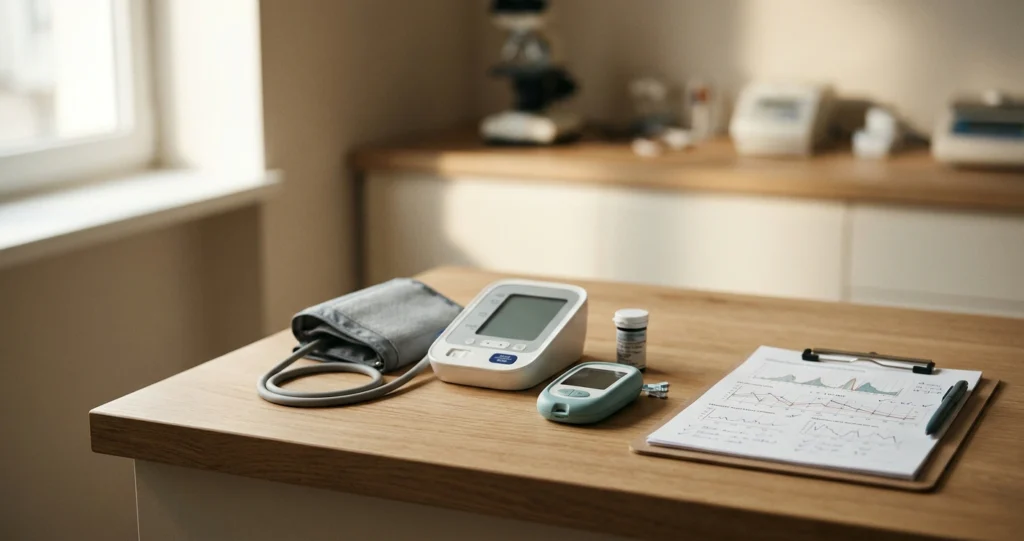
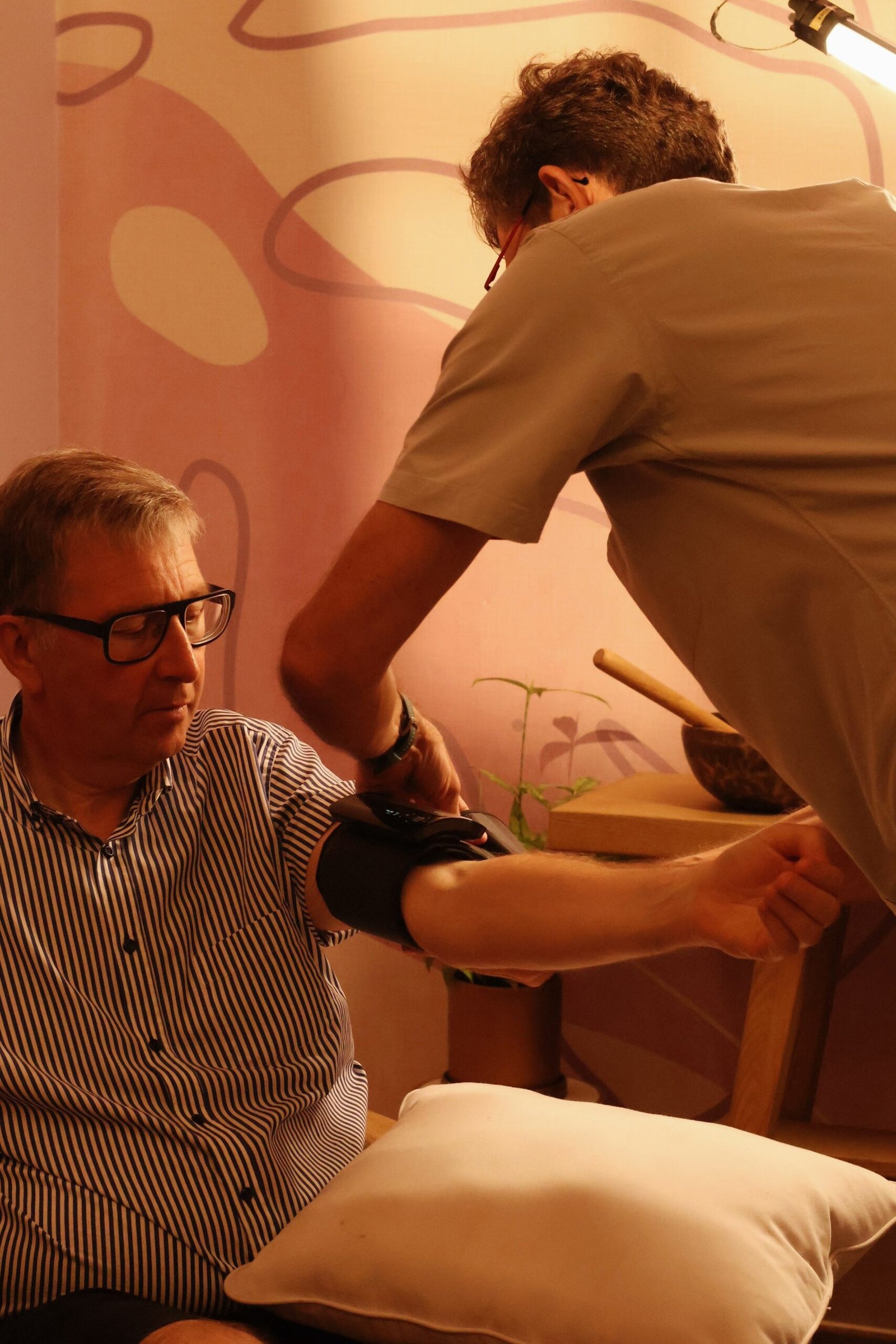
Our retreats combine Buchinger fasting with daily movement, gentle strength exercises, yoga and time in nature. During your wellness check-ups on arrival and departure day, we measure your blood pressure, body composition and grip strength, so you can see how your body responds and what you can build on at home. In our learning sessions we talk openly about appetite, protein, strength and how to keep your results, whether or not you have used a weight-loss medicine.
With warm regards,
Dieter Buchner and the Vietnam Detox team
Next step
If you would like to reset your habits, protect your strength and learn how to keep the results, explore our upcoming retreats in Vietnam and find the one that fits your goals.