Nutrition Journal
Healthy food begins long before the market stall. Here is what good soil quality really means, how Vietnam’s farmland is changing, who is bringing tired soil back to life, and how to find produce you can genuinely trust.
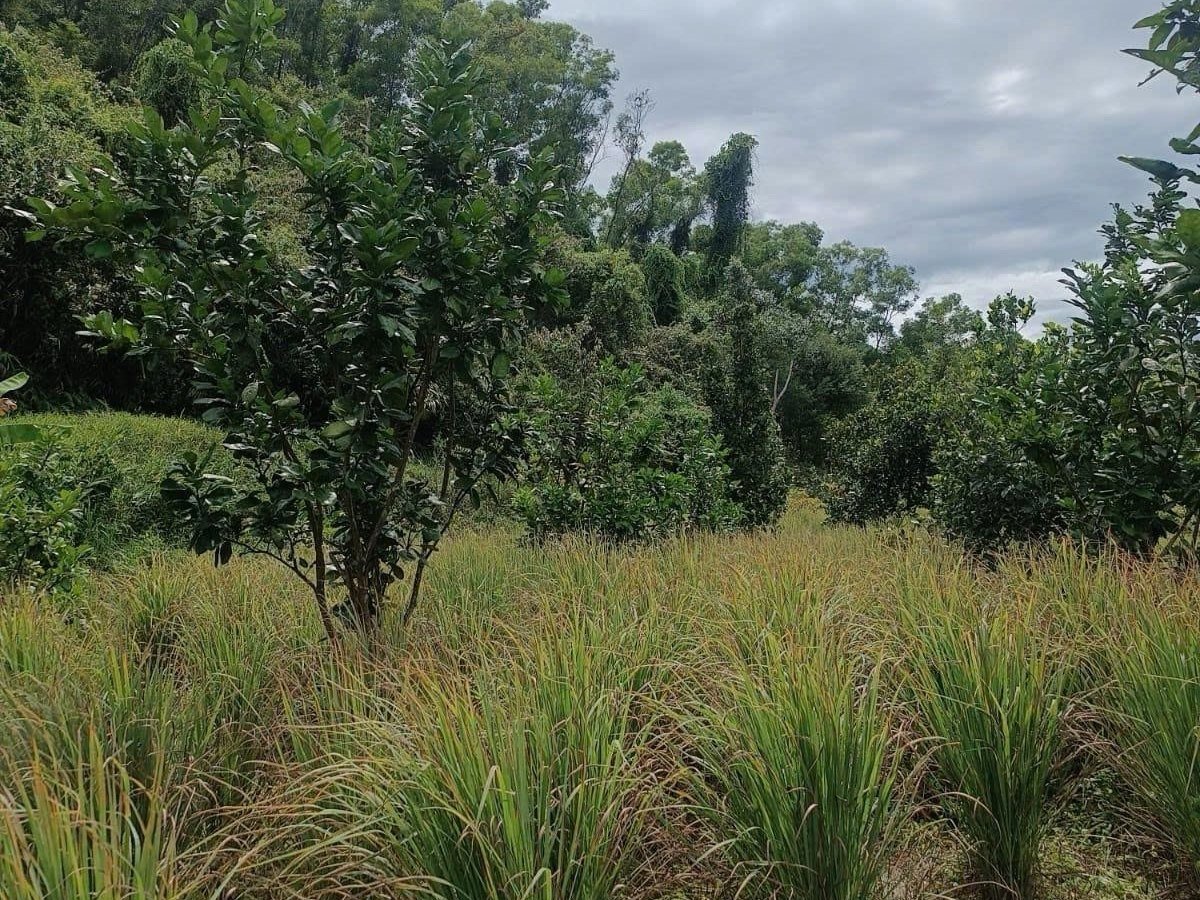
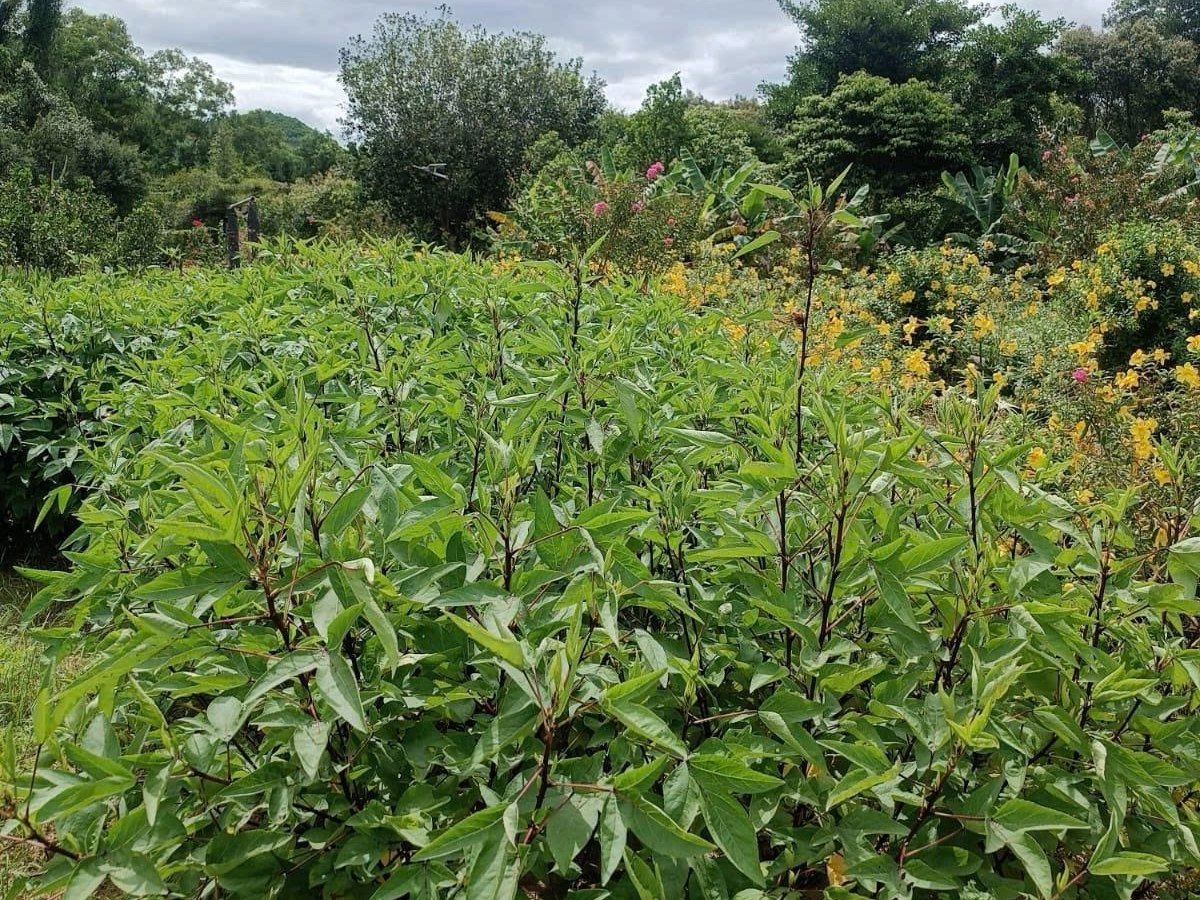
Walk through the organic garden at Alba Wellness Valley in Huế after the rain and you can smell it: a sweet, earthy scent rising from beds of lemongrass, okra and climbing gourds. That scent is a sign of living soil. Soil quality is one of the most overlooked foundations of good health, because every vegetable, herb and grain of rice we eat can only be as rich as the ground it grew in.
In this article we look at what good soil really is, why it matters for plants and for people, and what is happening to soil in Vietnam today. We meet some of the people and projects bringing tired land back to life, and we finish with practical ways to buy produce you can trust, from reading labels to asking the right questions at the market.
At a glance
Five things to know about soil quality
About the authors
Written by the Vietnam Detox team, who have guided Buchinger fasting retreats in Vietnam since 2016. Our Journal shares practical, preventive education for everyday wellbeing. It is not medical advice, so please speak with your doctor about any health concerns.
Soil is far more than dirt. It is a living system made of minerals, water, air, roots and an enormous community of living things. Scientists describe healthy soil as soil that keeps working as a living system: it grows strong plants, keeps water and air clean, and supports the health of plants, animals and people.
The three pillars
Physical: A crumbly structure with plenty of tiny pores, so roots can grow deep and rain soaks in rather than running off.
Chemical: A balanced pH and a steady supply of nutrients such as nitrogen, phosphorus, potassium, calcium, magnesium, zinc and iron, without a build-up of salt or heavy metals.
Biological: Billions of bacteria, fungi, earthworms and tiny creatures that break down organic matter and feed the plants.
That last pillar is the one most of us never see. A single teaspoon of healthy soil holds more microorganisms than there are people on Earth. Fine fungal threads link the roots of a whole field, trading water and minerals for sugars from the plants. Earthworms open channels for air and rain. When this underground community thrives, the soil looks dark, smells sweet, holds together in soft crumbs and is full of roots.
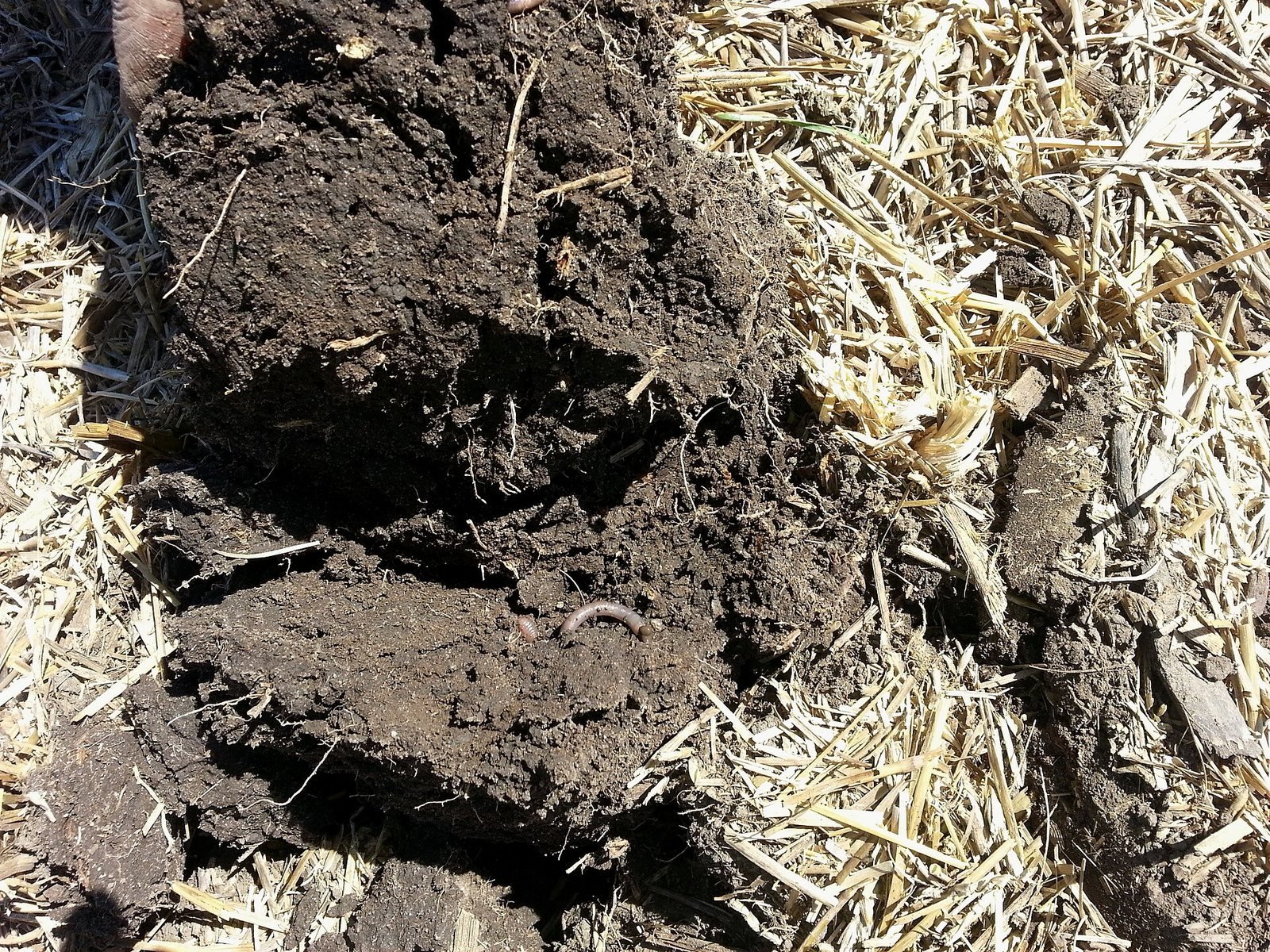
Living soil
✓Dark, crumbly and sweet-smelling
✓Full of roots, worms and fungal threads
✓Soaks up rain like a sponge
✓Feeds plants slowly and steadily
Tired soil
✕Pale, hard or dusty
✕Few worms and little visible life
✕Rain runs off and carries topsoil away
✕Needs more and more fertiliser to keep producing
Plants cannot move, so they depend on the soil around their roots for almost everything. In living soil, microbes release nutrients slowly, at the pace plants can use them. Some bacteria even capture nitrogen from the air and pass it to the roots. Fungi extend the reach of roots many times over, helping plants find phosphorus, zinc and water during dry spells.
Healthy soil also works like an immune system for crops. A rich mix of microbes leaves less room for disease, and well-nourished plants make more of their own protective compounds, such as polyphenols. This is why plants in poor soil often need more fertiliser, more spraying and more water just to keep going. A field can keep producing for years while the soil beneath it quietly loses its life.
A field with failing soil can still give you a harvest for a while. Yield is often the very last thing to change.
The Vietnam Detox Journal
Did you know?
It can take up to 1,000 years for nature to form a single centimetre of topsoil. Looking after the soil we already have is one of the most valuable things a farmer can do.
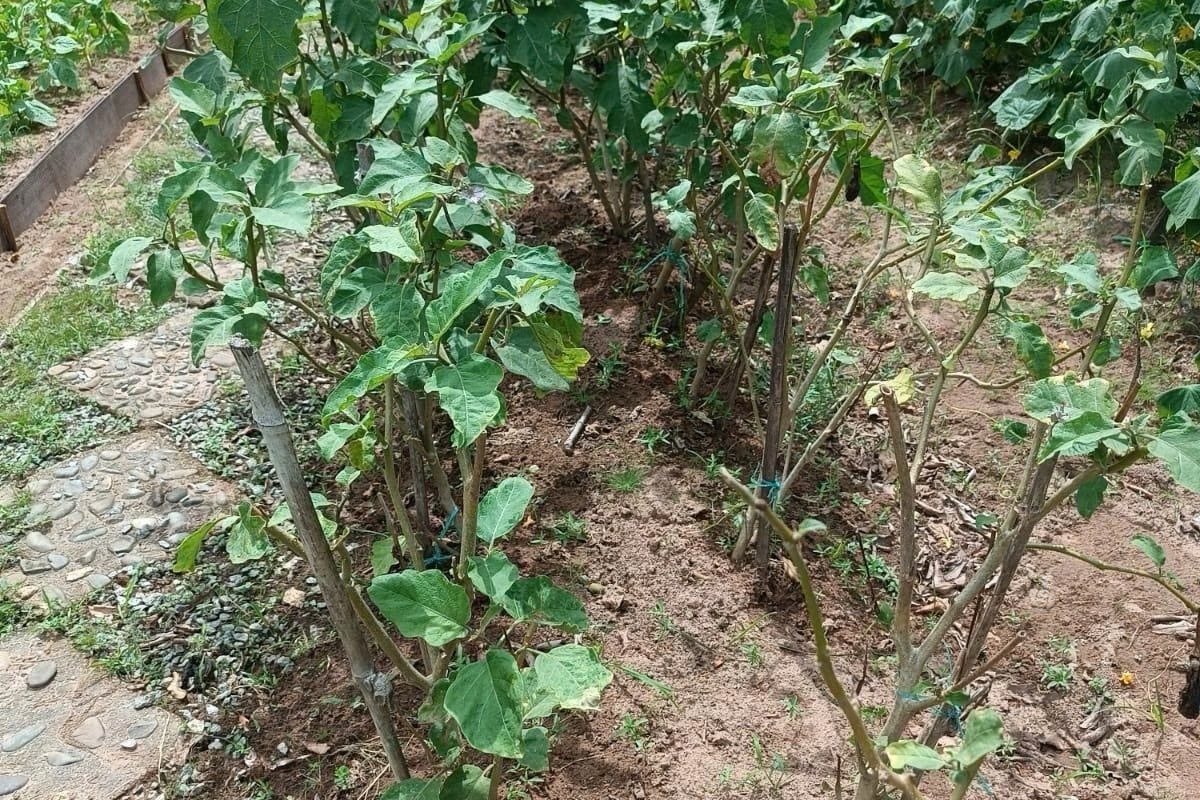
The link between the ground and our own health runs along three paths.
Path 01
The minerals in our food come from the soil. Studies comparing historical food tables suggest that some fruit and vegetables now contain between 5 and 40 percent fewer minerals than they did around 60 years ago. Modern high-yield varieties and depleted soils both play a part. Rich soil does not guarantee a nutritious carrot, but tired soil makes it much harder to grow one.
Path 02
Living soil needs fewer synthetic inputs. Heavy use of pesticides and fertilisers can leave residues on food and in water, and some pesticides have been linked to inflammation in the gut. Healthy soil can also bind and break down some pollutants, while poor, acidic soil may let heavy metals such as cadmium pass more easily into crops.
Path 03
Researchers increasingly speak of a connection between soil, plants and the gut. Microbes from the soil live on and inside fresh plants, and some of them reach us when we eat fresh, lightly processed produce. Scientists are still working out how strong this direct link is, but the overall picture is encouraging: a varied diet grown in varied, living soil supports a varied gut.
This thinking sits at the heart of One Health, an approach now used by international health and farming bodies. It treats the health of soil, plants, animals and people as one connected system rather than as separate problems.
One of the clearest ways to picture all this comes from an idea shared by the world’s leading food and farming organisations: plants and people need the same essential nutrients. There are 18 of them in total, and the graphic below shows the most important ones in simple terms.
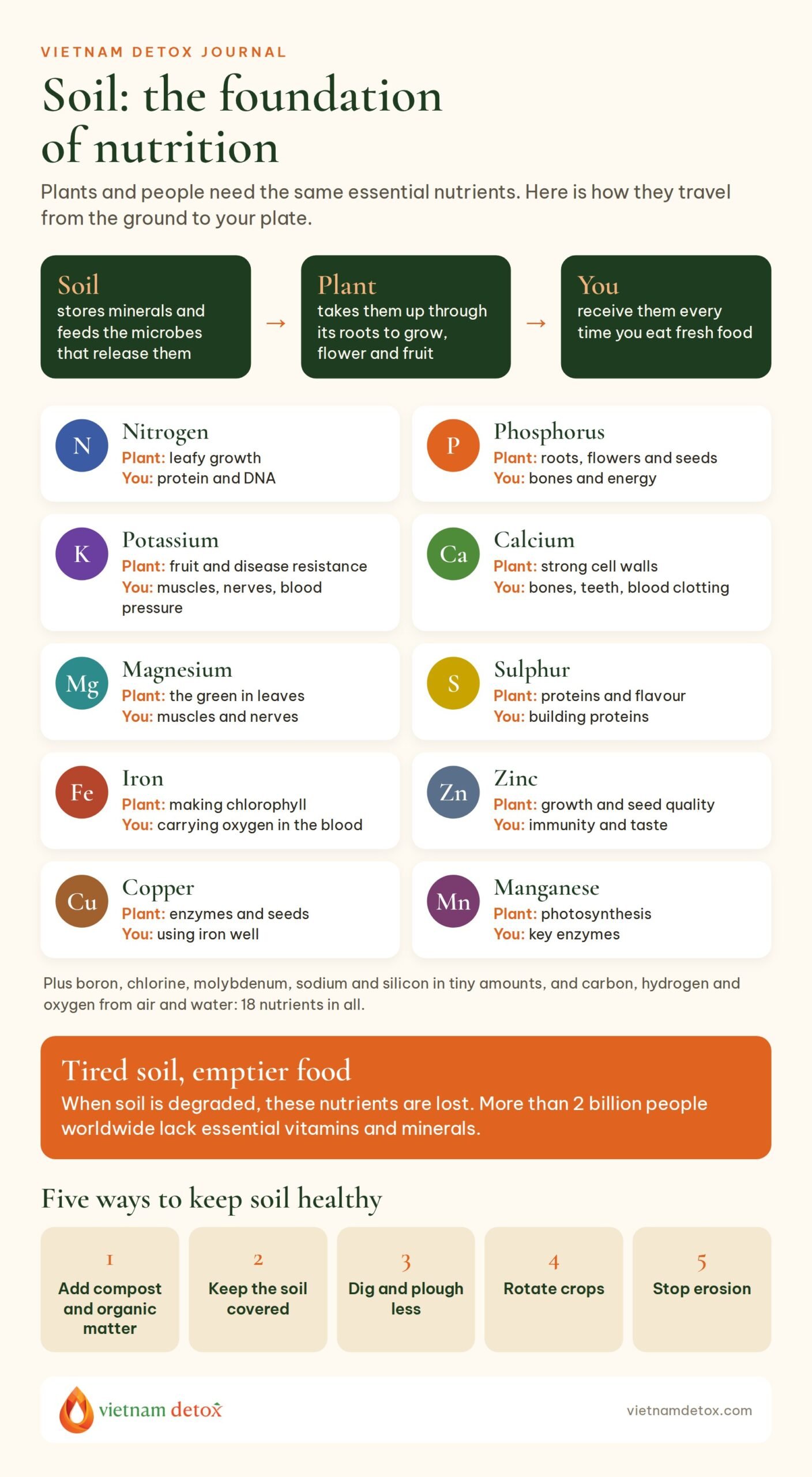
Think of the soil as a pantry, the plant as the cook and you as the guest at the table. The pantry stores minerals such as calcium, magnesium, iron and zinc. Soil microbes are the kitchen helpers who unlock them, so that plant roots can take them up. The plant then uses each one for its own needs, building leaves with nitrogen, roots with phosphorus and strong cell walls with calcium.
When we eat that plant, the same minerals go to work in our own bodies. Calcium and phosphorus build our bones, iron carries oxygen in our blood, zinc supports our immune system and our sense of taste, and magnesium and potassium keep our muscles and nerves working. Carbon, hydrogen and oxygen come from the air and water, and the rest are needed only in tiny amounts.
If the pantry is half empty, the cook can only do so much. Degraded soil loses these nutrients, and the food grown in it carries less of them to us. This is one reason why more than 2 billion people around the world lack essential vitamins and minerals, even when they have enough to eat.
Every vegetable on your plate can only be as rich as the soil it grew in.
The good news is that the five ways to protect soil shown at the bottom of the graphic are simple and well proven: add compost and organic matter, keep the ground covered, dig and plough less, rotate crops and stop erosion. You will find all of them in the work of the soil restorers below.
Soil in numbers
Soil forms extremely slowly, yet one heavy storm can wash it off bare, sloping land. The main pressures are well known.
What wears soil down
Too much synthetic fertiliser: Over time it acidifies the soil and upsets the microbes that recycle nutrients.
Frequent spraying: Regular pesticide and herbicide use harms earthworms, fungi and other helpful life.
Bare soil and single crops: Growing the same crop again and again, with nothing covering the ground in between, leaves soil exposed to sun, rain and erosion.
Burning crop residues: Burning straw destroys organic matter that could feed the soil, and it pollutes the air.
Heavy ploughing and machinery: Deep tillage and heavy wheels break up soil structure and crush its pores.
Climate pressures: Floods, droughts, rising seas and salt water all strain soil, especially in river deltas and on steep hillsides.
The hopeful part is that almost all of these pressures can be reversed. Soil that has lost much of its life can start to recover within a few seasons once it is covered, fed with compost and given a rest from heavy chemicals.
Vietnam’s farmers have achieved something remarkable. Within a few decades the country moved from food shortages to being one of the world’s leading exporters of rice, coffee, pepper and cashews. Much of that growth was powered by chemistry, and the soil has paid part of the price.
Vietnam now uses around 10 million tonnes of fertiliser a year, several times more than in the mid-1980s. Around 11.8 million hectares, or about 36 percent of the country’s land, show some degree of degradation. Roughly three quarters of the land is sloping, which makes erosion a constant challenge, and around 70 percent of farmland soils are acidic.
Vietnam in numbers
There is real hope inside those numbers. Only a small share of the land is severely degraded. Most of the damage is mild or moderate, and it can be repaired with better care.
The challenges look different across the country. In the Mekong Delta, salt water is pushing further inland during the dry season, while sand mining and heavy groundwater use are causing the land to sink by several centimetres a year in some areas. In the Central Highlands, decades of intensive coffee and pepper growing have left many soils acidic and tired. In the north and centre, including the hills around Huế, heavy rain on steep, bare slopes washes topsoil away. Burning rice straw after the harvest is still common, and tens of millions of tonnes of valuable organic matter are lost every year.
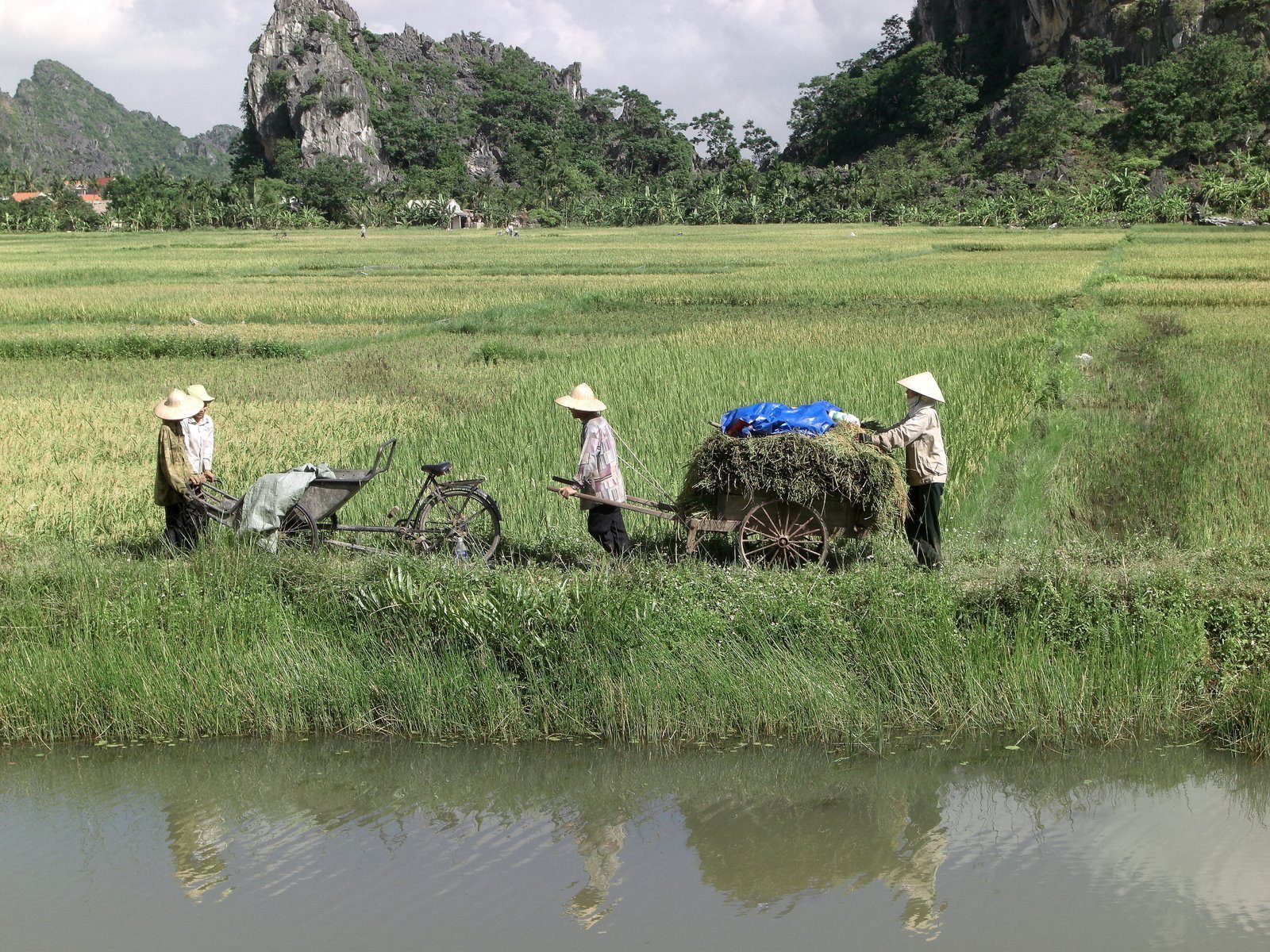
Around the world and across Vietnam, farmers, scientists and communities are proving that soil can come back to life. Here are some of the people and approaches leading the way.
Initiative 01
The Food and Agriculture Organization of the United Nations set up the Global Soil Partnership in 2012. It brings governments, scientists and farmers together to map soils, share knowledge and promote sustainable soil care. World Soil Day, held every year on 5 December, grew out of this work. Newer frameworks such as Regen10 help farms measure real results, such as soil carbon, water and biodiversity, rather than simply listing practices.
Initiative 02
Brazilian microbiologist Dr Mariangela Hungria spent more than 40 years showing that natural soil bacteria can replace much of the synthetic nitrogen fertiliser used on crops. Her bacterial treatments now cover more than 40 million hectares of Brazilian farmland, save farmers billions of dollars a year and avoid large amounts of greenhouse gas emissions. In 2025 she received the World Food Prize, often described as the most prestigious award in agriculture. She calls it a micro green revolution: feeding people through biology rather than chemistry.
Initiative 03
Food forests copy the layers of a natural forest, with tall trees, fruit trees, shrubs, herbs and ground cover growing together. Designers such as the Belgian food forest pioneer Louis De Jaeger show how this approach keeps soil covered, cool and full of life while still producing plenty of food. Vietnam has its own version in the traditional VAC system, short for vườn, ao, chuồng (garden, pond and animal pen), where what is left over from one part feeds the next.
Initiative 04
In the Central Highlands, around 23,000 coffee-farming households are using regenerative practices on roughly 50,000 hectares, including shade trees, cover crops and compost made from coffee husks. In the Mekong Delta, a national programme for one million hectares of high-quality, low-emission rice encourages farmers to use less seed, fertiliser and water, and to turn rice straw into compost and mushroom beds rather than burning it. Progress has been slower than hoped, yet the results are promising: straw compost alone can lift rice yields by 10 to 15 percent.
Initiative 05
In 2007 a Danish development organisation helped to start the Participatory Guarantee System, or PGS, in Vietnam. Small groups of five to ten farmers inspect each other’s fields, joined by consumers and local partners who also take part in the checks. Today PGS groups around Hà Nội, Hòa Bình and Hà Nam supply organic vegetables to city shoppers, at a fraction of the cost of international certification.
Restoring soil is not instant, but it is faster than many people expect. When a farm stops heavy chemical use and starts caring for its soil, the journey usually looks something like this.
The first season
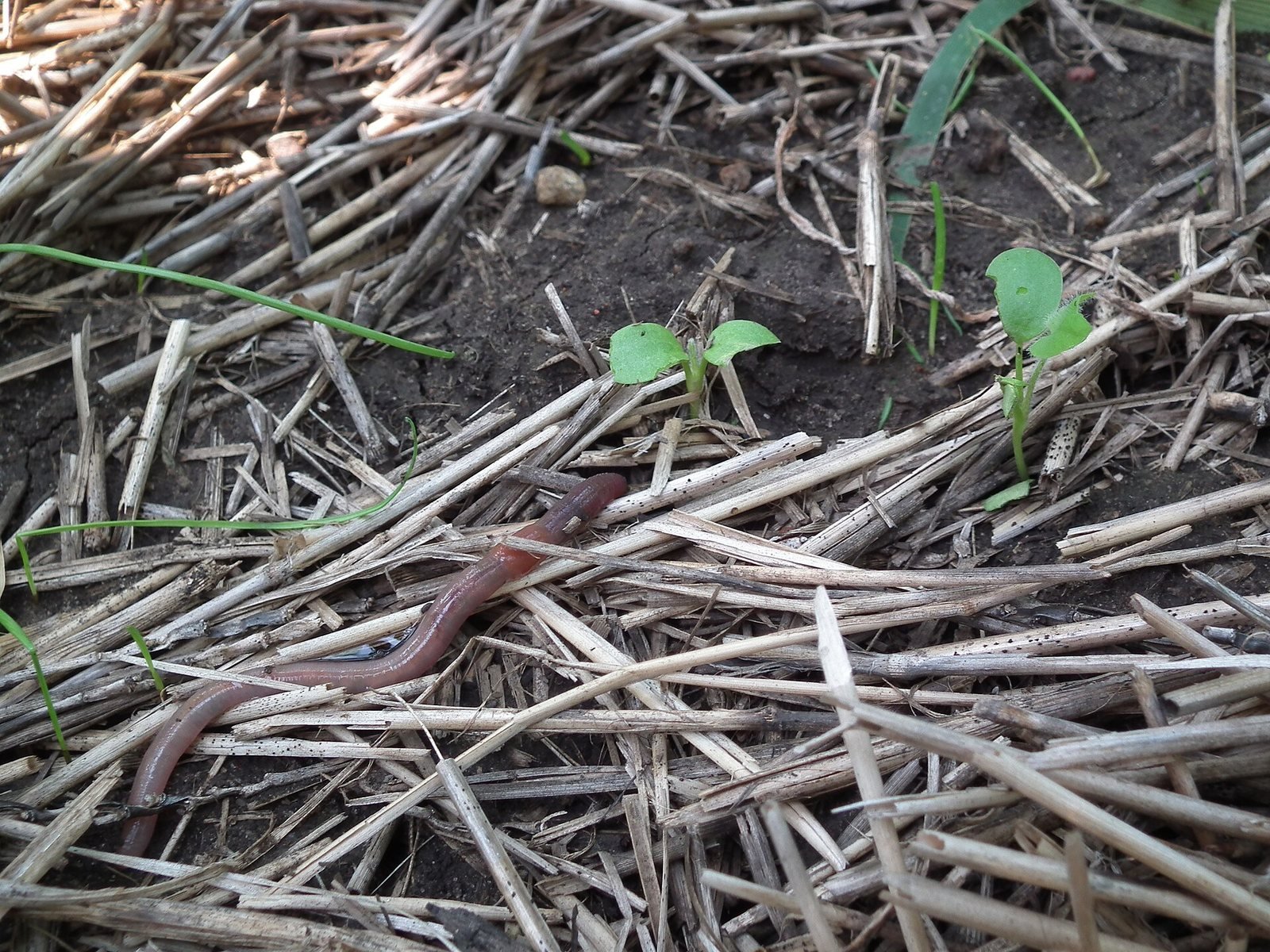
The ground is covered with mulch or cover crops and fed with compost. Earthworms are often the first to return.
Years one and two
The soil becomes looser and holds more water. Yields may dip for a while as the soil life rebuilds.
Years two and three
Microbes and fungi recover, pests become easier to manage and the farm can complete its change to organic.
Year three and beyond
Organic matter keeps building, harvests become steadier and the soil grows richer with every season.
The methods
✓Keep the soil covered with mulch, cover crops or living plants all year round
✓Feed it with compost, manure and crop residues instead of burning them
✓Disturb it as little as possible, with less ploughing and fewer heavy machines
✓Grow many crops together and rotate them from season to season
✓Use biological helpers such as nitrogen-fixing beans and beneficial microbes
✓Bring trees and hedges back into farms to protect slopes and shelter wildlife
Most of us cannot test the soil behind every bunch of morning glory. We can, however, learn to read the labels and ask good questions. Vietnam has several food labels, and they do not all mean the same thing.
| Label | What it means | Synthetic fertilisers and pesticides |
|---|---|---|
| Hữu cơ (organic), certified | Grown to Vietnam’s national organic standard and checked by an approved certification body. Products with at least 95 percent organic ingredients may carry the national organic logo. Certificates are valid for two years. | Not allowed |
| PGS organic | Organic farming checked by local groups of farmers and consumers. Trusted and affordable, mainly sold directly or through partner shops. | Not allowed |
| International organic | Certified to a foreign organic standard, such as those of the USA, the EU or Japan. Common on imported goods and export produce. | Not allowed |
| VietGAP or GlobalG.A.P. | Good agricultural practice: chemicals used within safe limits, with hygiene and traceability. A useful step towards safer food, but not organic. | Allowed within limits |
| Rau an toàn (safe vegetables) | Produce grown within safe residue limits. A food safety claim, not an organic one. | Allowed within limits |
| “Sạch”, “clean” or “natural” | Marketing words with no legal standard behind them. | Unknown |
Sadly, fake organic produce is a real problem. Inspections in Hồ Chí Minh City have found ordinary market vegetables repackaged with VietGAP or organic labels and sold at two to three times the price. Fake certificates circulate online, and in one case a brand of “organic” vegetable sweets turned out to have no farm at all.
Red flags
✕An organic claim with no certificate number and no named certification body
✕“Organic” produce at almost the same price as ordinary market vegetables, all year round
✕Perfect-looking vegetables in every season, including crops that do not grow locally at that time
✕A seller who becomes vague when asked where the farm is
✕Words such as “clean”, “natural” or “chemical-free” with nothing to back them up
Good signs
✓A certificate you can check with the body that issued it, with a valid date
✓A QR code that leads to a real farm, with a name, a place and a harvest date
✓Seasonal, slightly imperfect produce, sometimes with the odd insect hole
✓A grower or shop that is happy to tell you how the soil is fed and how pests are managed
✓A farm that welcomes visitors
Our tip
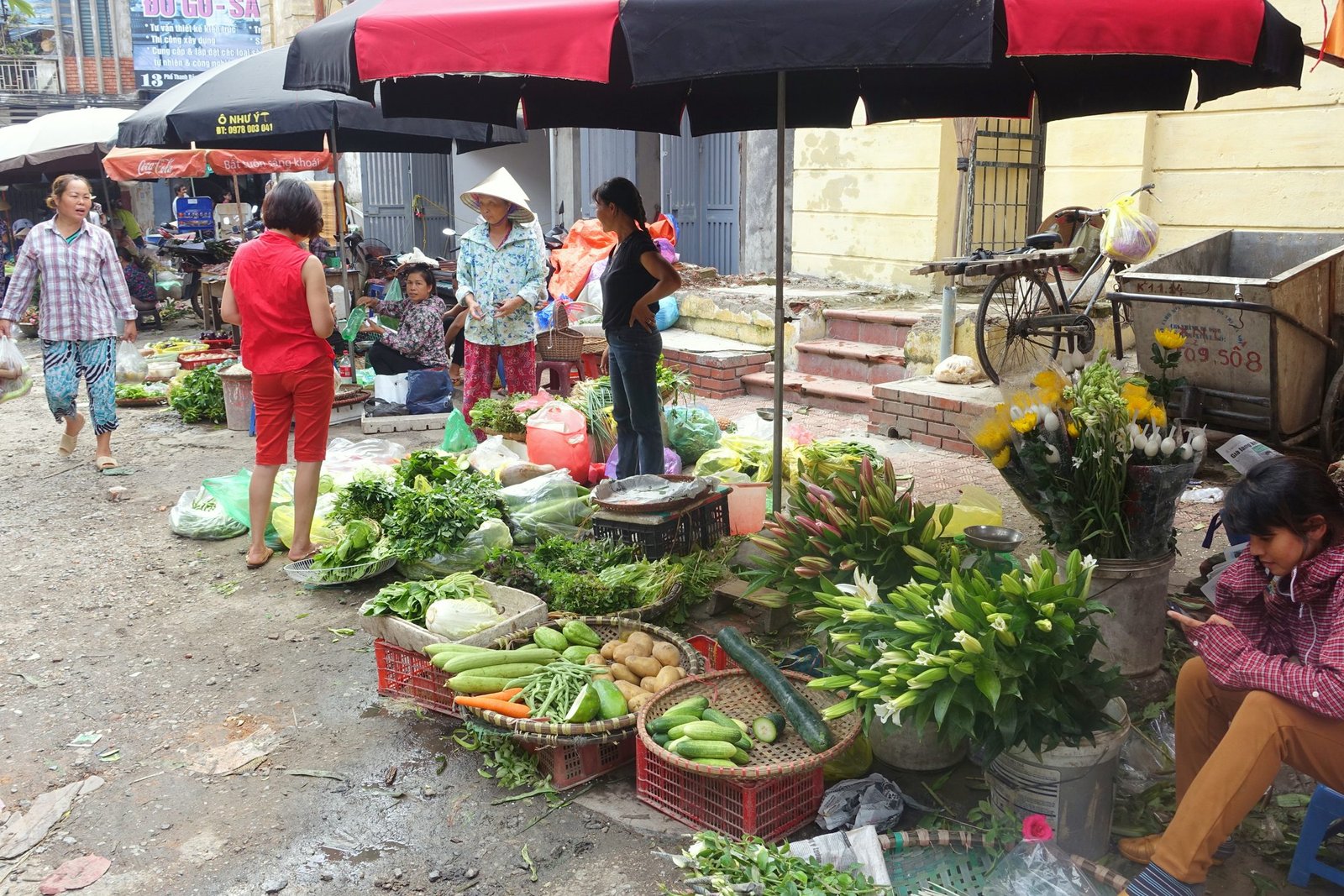
The most reliable label is a relationship. Find one or two growers or shops you trust, visit a farm if you can, and buy what is in season. Over time you will learn far more from a farmer than from any sticker.
Organic farming is not perfect, and organic food is not automatically more nutritious in every case. The evidence, though, points in a consistent direction.
Large reviews of hundreds of studies have found that organic crops tend to contain more antioxidants and polyphenols, lower levels of the heavy metal cadmium and far fewer pesticide residues. When families switch to an organic diet, the pesticide traces measured in their bodies can fall by up to 95 percent within days or weeks, with the biggest drops seen in children. When they return to conventional food, the levels rise again.
Why organic adds up
Organic farming also protects the soil itself. Without synthetic fertilisers and pesticides, organic growers rely on compost, cover crops, crop rotation and natural pest control: exactly the practices that build living soil. Every time you buy organic, you support that soil, the farmers who care for it and the water and wildlife around it.
Myth
Organic just means no pesticides.
Fact
Organic standards also cover how the soil is fed, which seeds are used and how water and animals are cared for. Building healthy soil is at the heart of it.
Myth
Washing vegetables removes all pesticide residues.
Fact
Washing helps with residues on the surface, but some pesticides are taken up inside the plant and cannot be washed off.
Myth
The most perfect-looking vegetables are the healthiest.
Fact
Small blemishes and the odd insect hole are normal in organic produce. Flawless vegetables in every season can be a warning sign.
If organic food is so good, why is it still so hard to find? In Vietnam, organic farmland covers about 174,000 hectares, only around 1.4 percent of all farmland. Both sides of the market face real obstacles.
For organic farmers
A slow change: Soil needs two to three years to recover from chemical farming, often with lower yields along the way.
Costly certification: Certificates are expensive, and there are still few certification bodies.
Small, scattered farms: Supply can be uneven, which makes it hard to serve shops and restaurants all year round.
Finding buyers: Without steady customers, surplus organic produce is often sold at ordinary prices or simply wasted.
Unfair competition: Fake organic products undercut honest growers and damage trust.
For shoppers
Price: Organic produce often costs 25 to 35 percent more, and sometimes two to three times as much.
Trust: With so many labels, it is hard to know which claims to believe.
Access: Organic shops are concentrated in the big cities, and choice changes with the seasons.
Information: Many people simply do not know where the nearest organic grower is.
The answer lies in building trust in both directions. When shoppers buy regularly from the same farms, farmers can plan their crops and sell more of their harvest. Weekly vegetable boxes, farm visits, PGS groups and farmers’ markets all help to close the gap.
Step 01
If buying everything organic feels out of reach, begin with leafy greens, herbs and rice. These are eaten often and in large amounts, so they make the biggest difference.
Step 02
Seasonal produce needs fewer inputs, tastes better and usually costs less. Ask what has just been harvested.
Step 03
A vegetable box from a PGS group or a certified farm gives growers a steady income and gives you a direct line to the people who grow your food.
Step 04
A few pots of basil, lemongrass or rau răm in compost-rich soil connect you to the living world under your feet.
Step 05
Compost your fruit and vegetable scraps. Even a small bin on a balcony turns kitchen waste into food for plants.
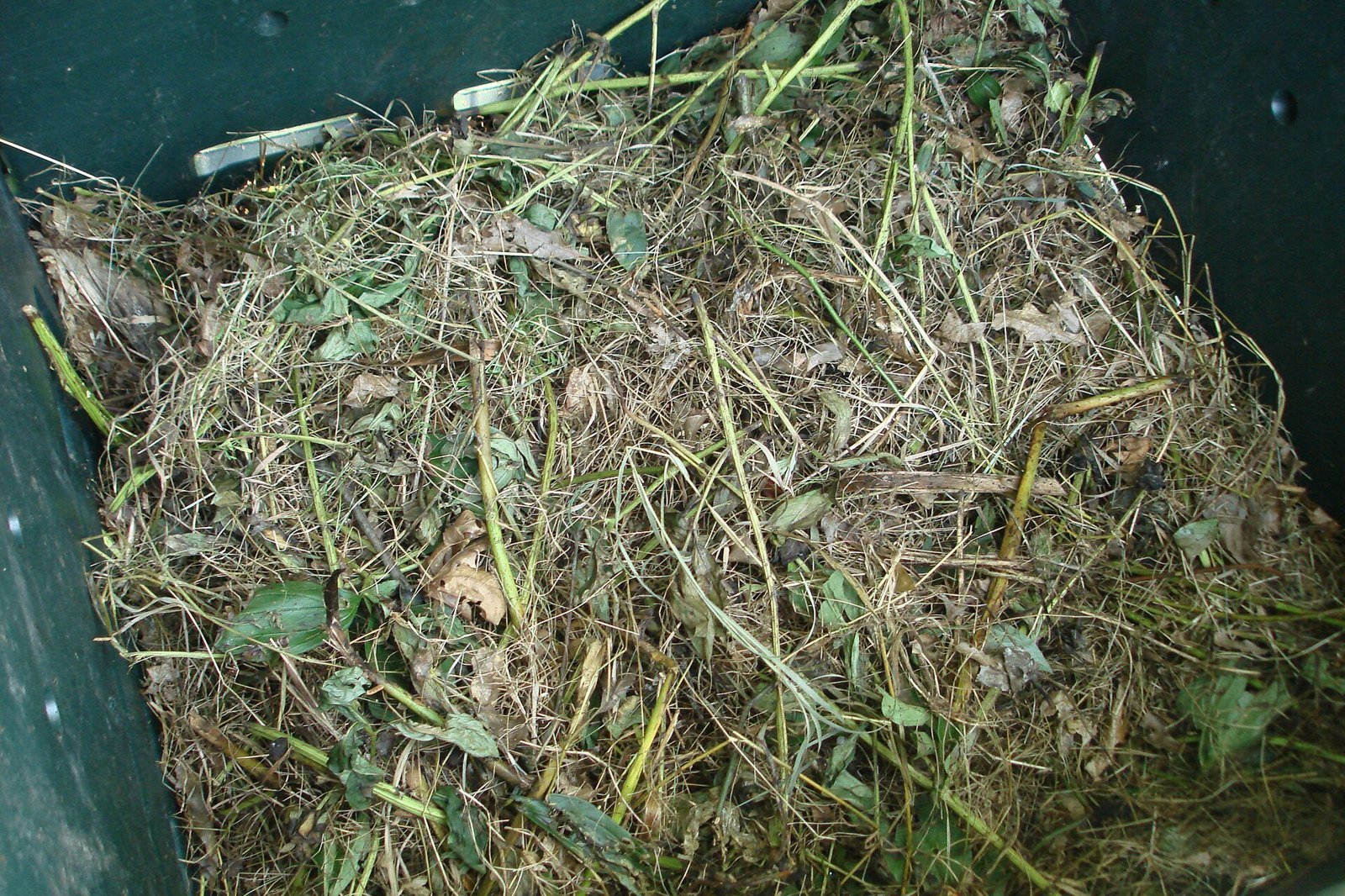
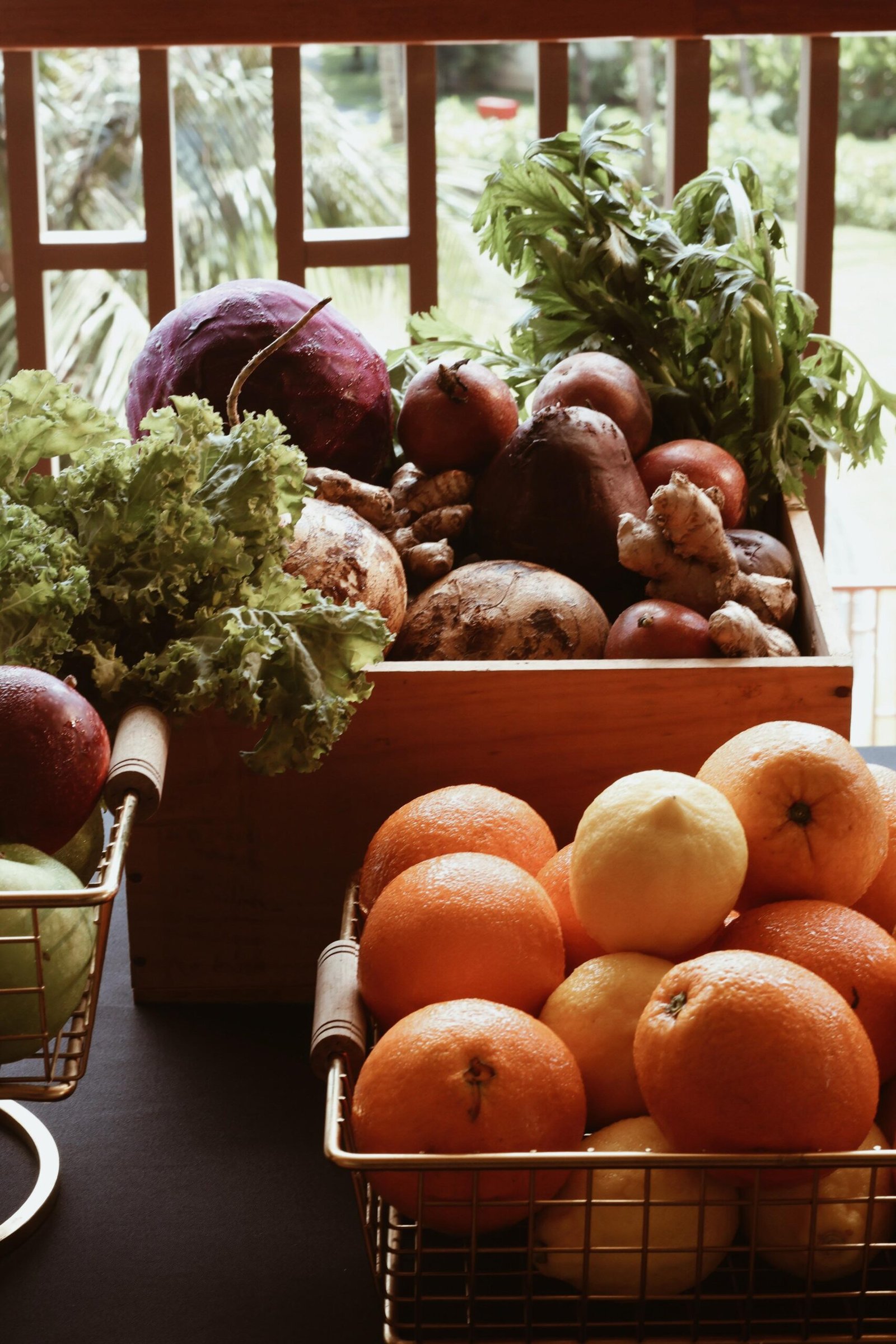
Finding trustworthy produce is much easier once you know where to look. Here are some of the growers, shops and organisations helping people across Vietnam buy food grown in living soil, from certified farms to small growers who use organic methods without the cost of certification.
South
Hồ Chí Minh City
ByNature
Founded by Signe, a Danish entrepreneur who has made Vietnam her home, ByNature works with small farms in Đà Lạt and the Mekong Delta that grow without synthetic pesticides. Many of them use organic methods but find certification too expensive, so ByNature checks the produce itself. Its weekly surprise box, called The Box, is filled with whatever is in season and delivered in reusable boxes.
Organicfood.vn
A long-standing organic shop with its own certified farm in Long An, offering weekly farm boxes.
North
Hà Nội
PGS Vietnam
The website of Vietnam’s Participatory Guarantee System lists PGS organic farmer groups around Hà Nội and the shops that sell their vegetables, so you can contact growers directly. PGS Vietnam is recognised by IFOAM, the international organic federation.
Darwin Organic farm, Đại Lải
An organic farm near Đại Lải Lake, about an hour from the city, which grows vegetables and fruit and supplies organic vegetables to schools. You can read about our visit below.
Centre
Đà Nẵng and Hội An
Thanh Đông organic vegetable village
The first PGS-certified organic vegetable group in central Vietnam, growing more than 20 crops with traceability labels. Farm tours let you plant, water and cook with the farmers, and its vegetables are sold in shops in Đà Nẵng.
Trà Quế vegetable village
A traditional herb village near Hội An, where growers still feed the soil with algae from the nearby lagoon.
Organica
An organic shop chain with a store in Đà Nẵng, stocking certified organic produce and groceries.
Central Highlands
Đà Lạt
Organic Farmers’ Market Dalat
A monthly market at Green Box Café, usually on the third Sunday, where local growers sell organic produce directly to shoppers. It was co-founded by the Đà Lạt bee charity Bees4life.
Organik Đà Lạt
A certified organic farm in Xuân Thọ that welcomes visitors during the day and delivers vegetable combos.
Dala Farm
Weekly vegetable boxes of 7, 14 or 21 kg from the highlands, sent across Vietnam.
Centre
Huế
Quế Lâm Organic
A Huế company with its own organic shop, working with farmer cooperatives and the Farmers’ Association to grow more organic and circular produce.
PGS farmer groups
Organic vegetable groups in Phú Vang, Phú Lộc and Quảng Điền, set up with international support in 2019.
HueViet Organic
A local shop for organic and clean produce in the city.
From our retreats
A visit to Darwin Organic farm
During a private multi-generational family retreat in Đại Lải, near Hà Nội, we toured the Darwin Organic farm together. Three generations walked between the vegetable beds and saw for themselves how food grows in living, well-fed soil.
What stayed with us most is that this farm supplies organic vegetables to schools, so children in the area can eat food grown in healthy soil as part of their everyday meals. It is a wonderful example of how good soil can shape the health of a whole community.
Our tip
Most small producers in Vietnam take orders by Zalo or Facebook. Please contact them directly to check what is in season, current prices and delivery areas, and ask whether a farm visit is possible. Products and services change, so this list is a starting point rather than a recommendation.
Is uncertified produce always less trustworthy?
Not necessarily. Many small farmers follow organic methods but cannot afford certification. A seller who knows each farm, tests the produce and is open about how it is grown can be very reliable.
Is a weekly box worth it?
For many households, yes. A box gives farmers a steady income, cuts waste and introduces you to seasonal vegetables you might never have chosen yourself.
How can I check a certificate?
Ask for the certificate number and the name of the certification body, then contact the body directly or check its published list of certified farms.
At Vietnam Detox
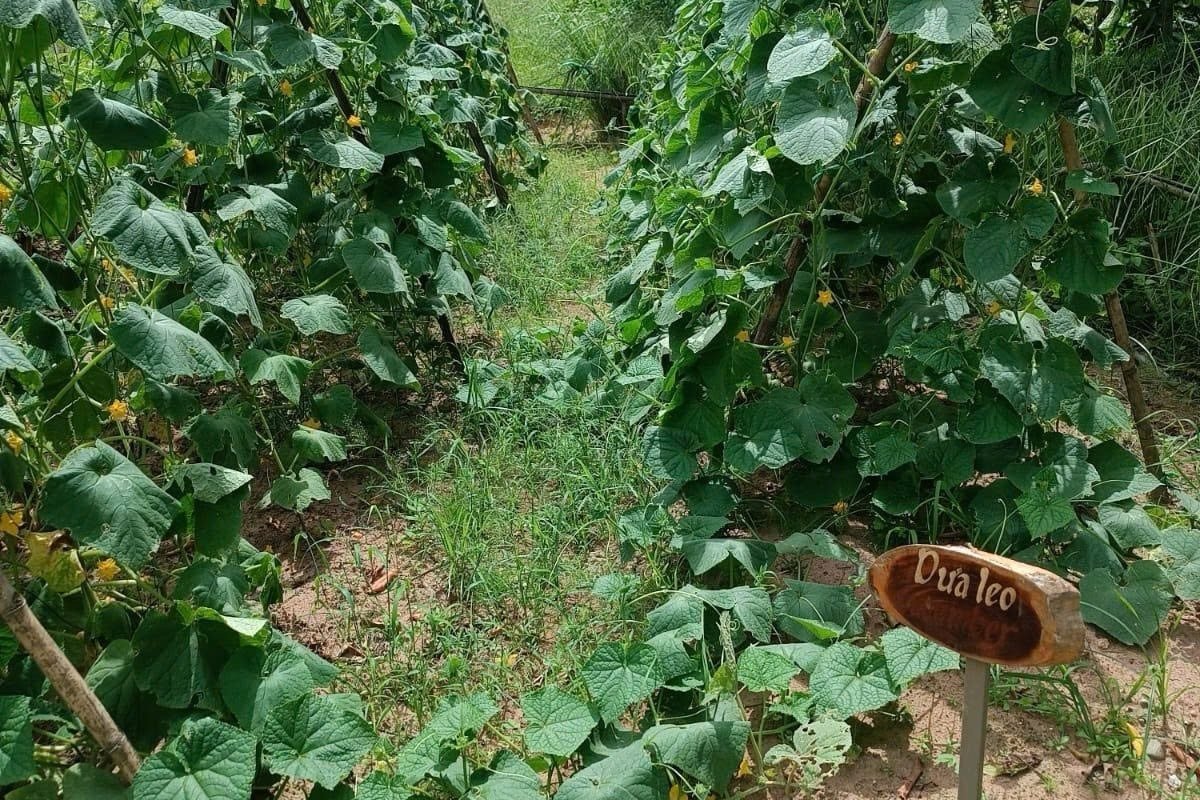
Good soil is not an abstract idea for us. Our retreat partners, Legacy Yen Tu MGallery and Alba Wellness Valley Hue, both tend their own organic gardens. Many of the meals served in their restaurants, as well as our fasting provisions, come straight from these gardens.
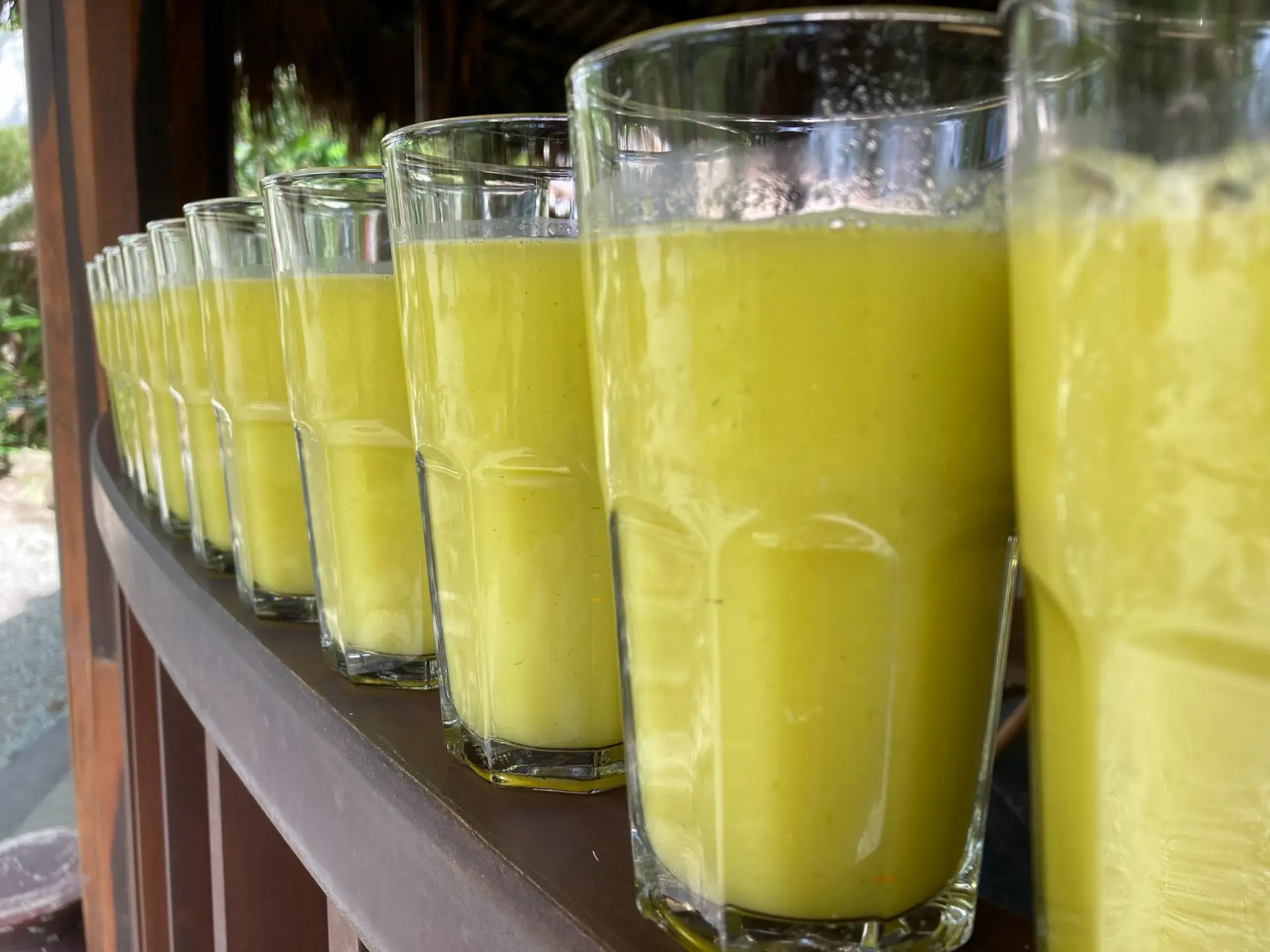
All the produce we use for our juices, vegetable broths and herbal teas is bought from organic producers. During a Buchinger fast, these simple drinks are your main nourishment, so we want every vegetable, fruit and herb in them to come from living soil.
On retreat
On retreat
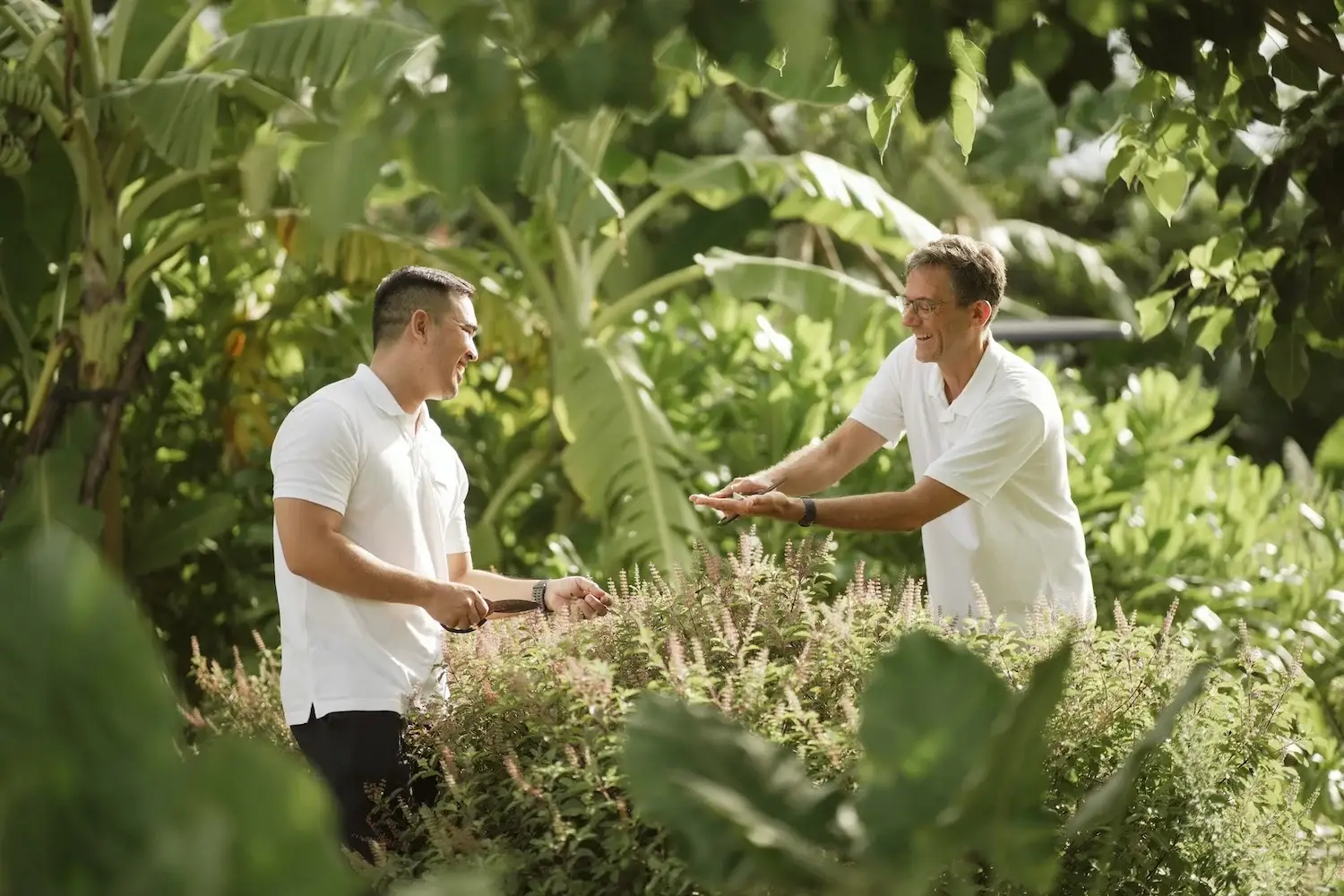
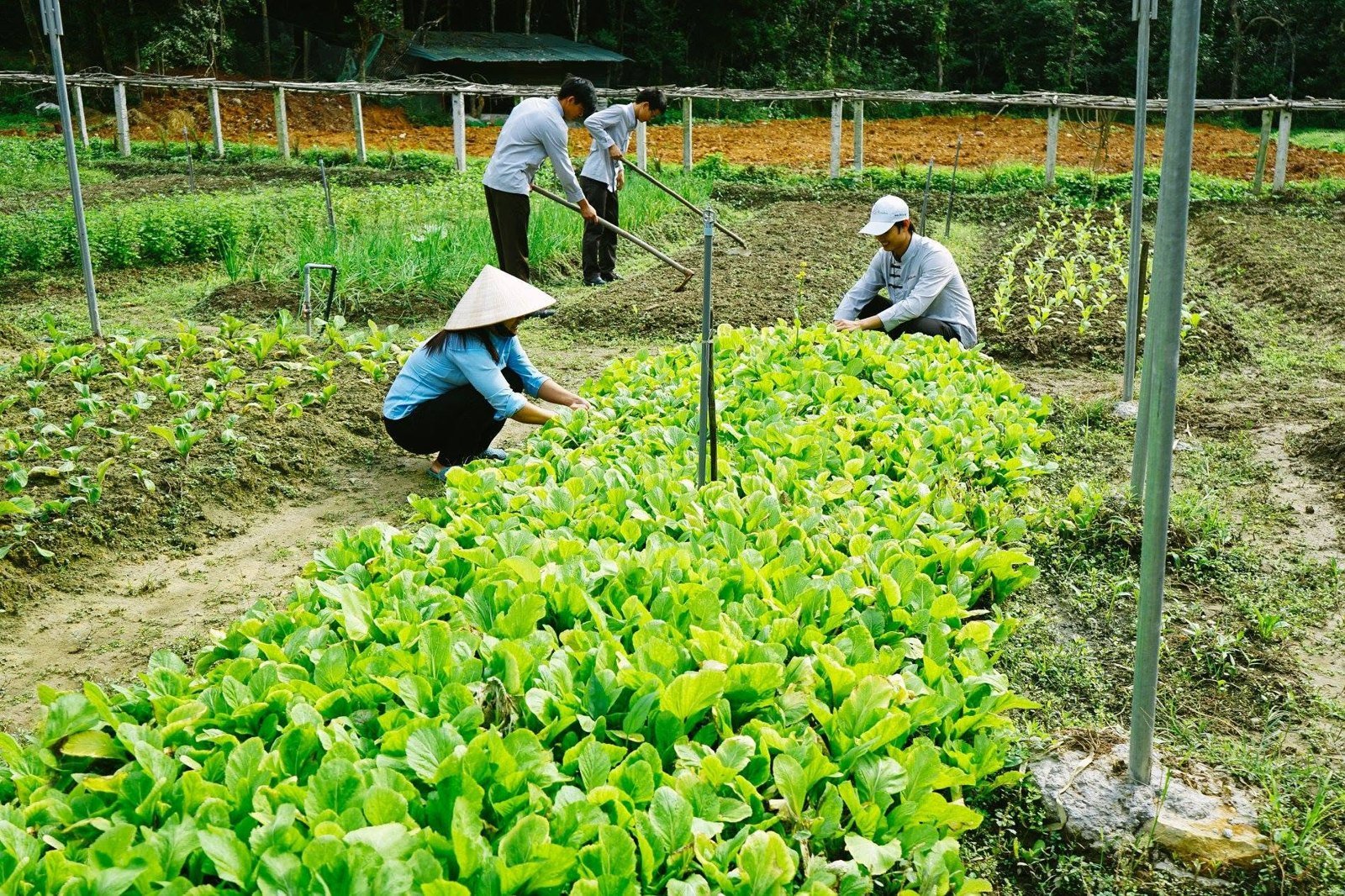
From the organic garden of Yên Retreat at Alba Wellness Valley Hue to the mountain garden of “An” Retreat @ Legacy Yen Tu MGallery and the coast at Hồi Retreat @ Fusion Resort & Villas Da Nang, every retreat is a chance to taste what living soil gives us.
Do you buy organic in Vietnam, or have you found a farm, shop or market you trust? We would love to hear your tips.
Please share your thoughts in the comments below. Your ideas may help someone else find good food grown in living soil.
Next step
Join us for a guided Buchinger fasting retreat in Vietnam, with movement, honest education and habits that last long after you leave.