Heart Health Journal
A new study has found tiny plastic particles in the blood of heart attack patients. Here is what it really tells us, why hot food in plastic matters so much in Vietnam, and the simple swaps that make a difference from your morning phở to your afternoon cà phê.
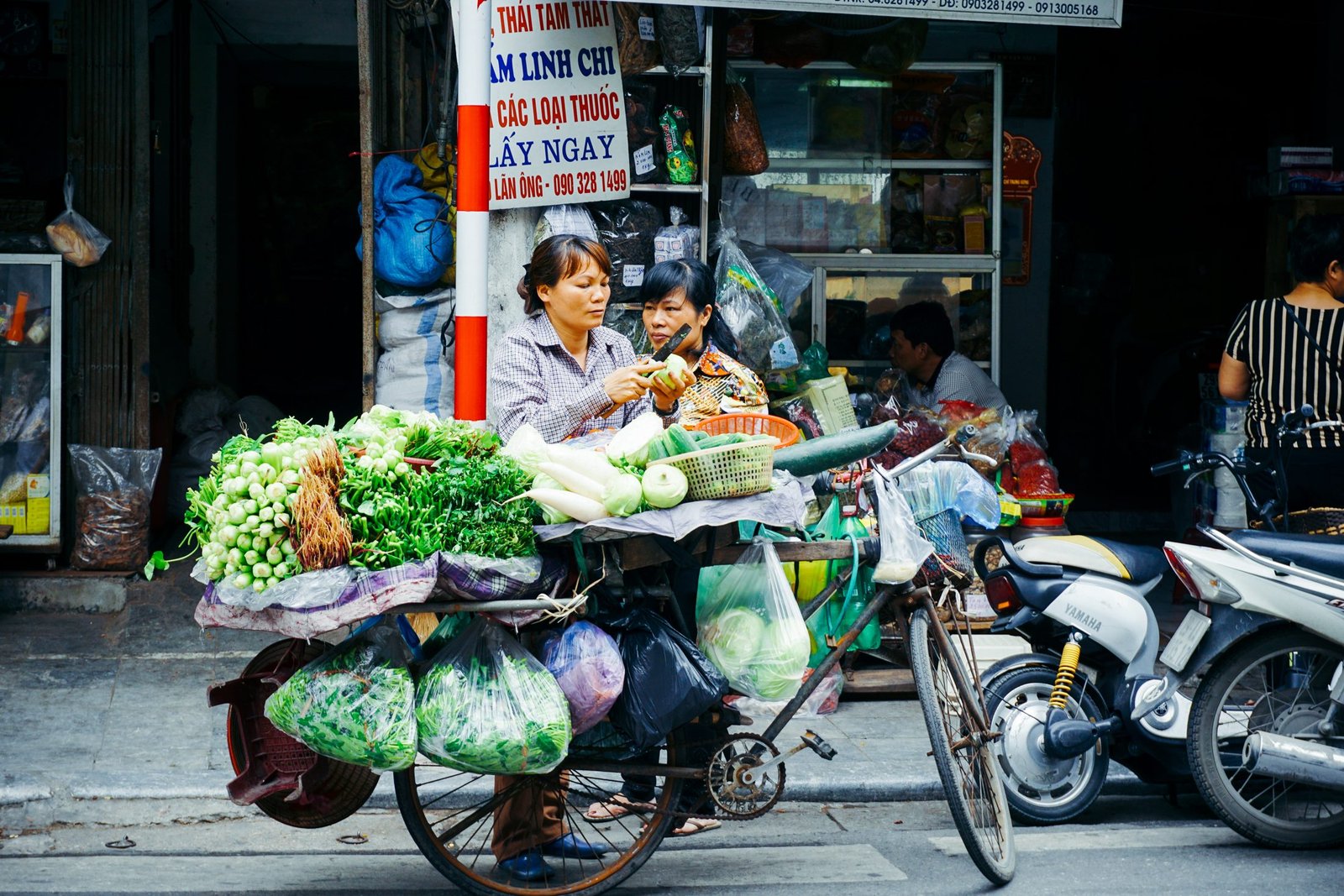
Picture a typical morning in Huế or Hà Nội. A steaming bag of bún bò hangs from the handlebars of a motorbike. A cà phê sữa đá sweats in a plastic cup with a domed lid. Lunch arrives in a foam box. None of this feels unusual, because it is part of the rhythm and charm of Vietnamese street life.
Yet scientists are paying growing attention to what happens when hot food and drink meet plastic, and to the tiny particles that end up inside us. The latest research points at the heart. The picture is still emerging, and the good news is that the most useful changes are simple, inexpensive and very Vietnamese.
About the authors
Written by the Vietnam Detox team, who have guided Buchinger fasting retreats in Vietnam since 2016. Our Journal shares practical, preventive education for everyday wellbeing. It is not medical advice, so please speak with your doctor about any health concerns.
As plastic ages, heats up, rubs or breaks down, it sheds fragments. Microplastics are pieces smaller than five millimetres, many far too small to see. Nanoplastics are smaller still, below one thousandth of a millimetre, roughly the scale of a virus. Their size is exactly why researchers are interested: the smallest particles are the ones most likely to pass through the gut wall or the lungs and travel in the blood.
They reach us mainly through food and drink, through the air we breathe and through household dust. Heat, fat, acidity and time in contact with plastic all increase how many particles are released.
In 2026 a team of Italian cardiologists published a study in one of the world’s leading cardiology journals. They took blood directly from the heart arteries of 61 people during a coronary procedure and looked for plastic particles.
The study in numbers
The heart attack group also carried a wider mix of plastic types, with polyethylene, the plastic of thin bags and food wraps, the most common. Where particles were found, markers of inflammation tended to be higher. Two everyday factors stood out: people who smoked, and people living with more polluted air, were much more likely to have plastics in their blood.
This is where honesty matters. The study was small, and it captured a single moment in time, so it cannot show that plastic particles cause heart attacks. The researchers themselves describe their findings as early and exploratory. Several independent scientists have pointed out that measuring plastics in blood is technically very difficult, that natural blood fats can look similar to some plastics in the laboratory, and that the medical care given during a heart attack may itself introduce particles.
Laboratory and animal studies do suggest ways plastic particles could stress blood vessels, through inflammation and oxidative stress. These findings make the concern reasonable, but they are not the same as proof in people.
Uncertainty is not the same as safety. When a precaution is simple, cheap and good for you in other ways, it makes sense to take it.
The Vietnam Detox Journal
One more thing worth knowing: smoking was the strongest signal in the whole study. Whatever the final verdict on plastics, not smoking and protecting yourself from polluted air remain two of the most powerful things anyone can do for their heart.
Vietnam has one of the most vibrant food cultures in the world, and much of it is hot, fast and portable. That is precisely the combination that releases the most particles. Hot broth poured into a thin bag, rice and stir-fries packed into foam boxes, hot coffee under a plastic lid and bottled drinks left in the sun all add up over a day.
Why it adds up
Heat: Hot soup, coffee and rice release far more particles than cold food.
Fat: Oily, rich dishes draw more out of plastic surfaces.
Time: The longer food sits in plastic, the more it collects.
Wear: Old, scratched bowls, boards and tubs shed more.
Diet plays a part too. Shellfish such as clams and mussels are eaten whole, and they filter seawater all day. Sea salt carries a small load of its own. In larger cities, air pollution on difficult days adds another route. None of this is a reason to give up the foods you love. It is a reason to change how they reach your table.
You may have seen supplements, cleanses or clinics promising to flush plastics out. At present there is no proven method to remove micro or nanoplastics from the body, and we would gently encourage caution with anything that claims otherwise. Fasting, sauna and sweating are valuable for other reasons, but they have not been shown to clear plastic particles.
The encouraging part is that most particles we swallow simply pass through. Early research suggests a fibre-rich diet may help the gut carry more of them out before they are absorbed. That is one more reason to fill your plate with vegetables, herbs, legumes and whole grains. The most effective step by far, though, is to take in less in the first place.
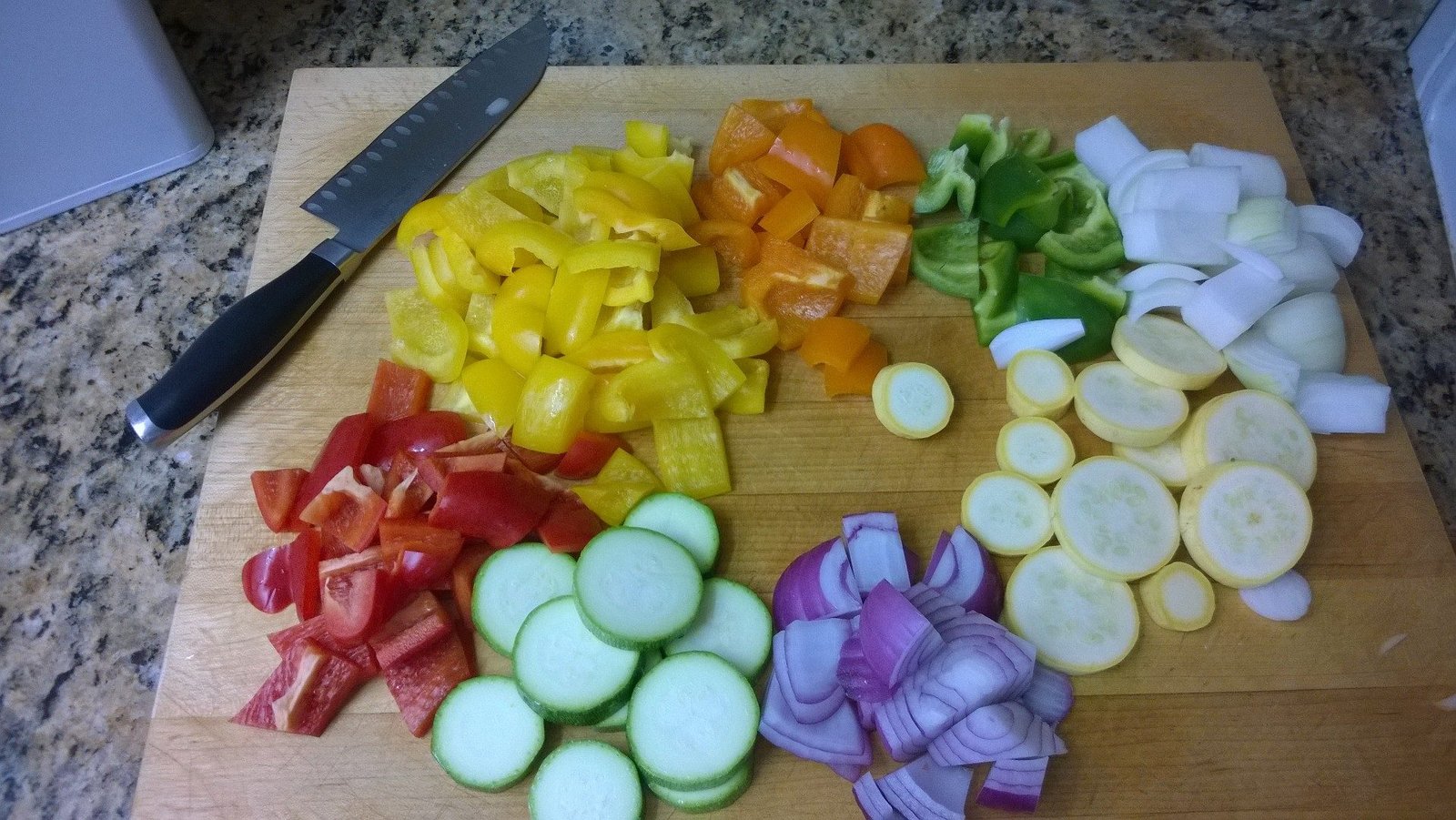
Swap 01
The single most effective change is to keep hot soup out of plastic bags. Sit down and enjoy your phở or bún bò from a ceramic bowl, or bring a stainless steel cặp lồng, a lidded pot or a glass container. Most vendors are happy to fill it, and it keeps the broth hotter too.
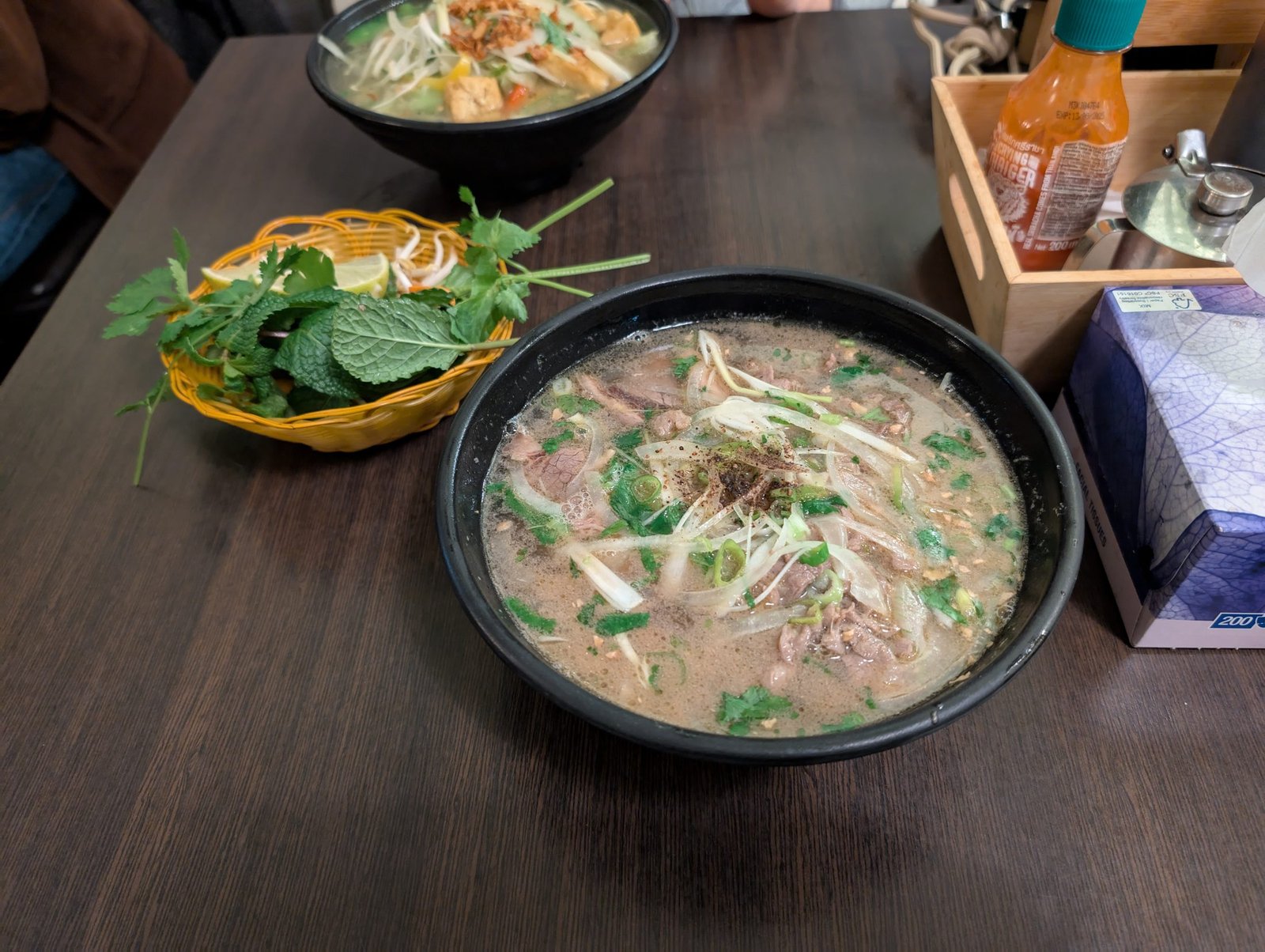
Swap 02
Foam containers release far more particles than other materials when filled with hot food. Ask for a paper, sugarcane or banana leaf option, use your own box, or let very hot food cool a little before it is packed. At home, move takeaway food onto a plate straight away.
Swap 03
Hot drinks are among the biggest sources of particles, and plastic lids and lined paper cups both play a part. Even “eco” cups lined with plant-based plastic can shed more, not less, when hot. Sit down with a glass, or carry a stainless steel tumbler for coffee on the go.
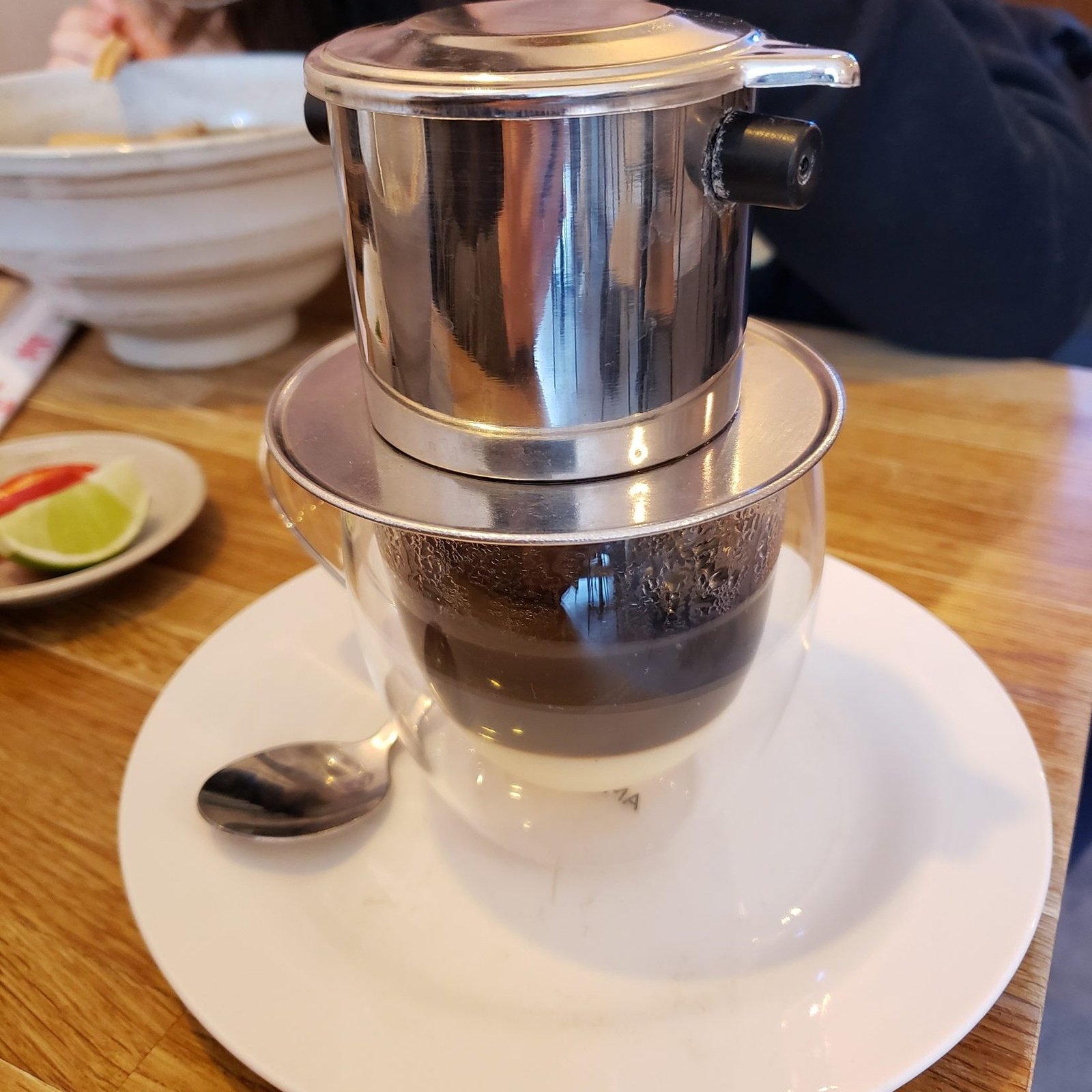
Swap 04
Sauces, chilli, herbs and lime often arrive in their own small bags. A friendly “không lấy túi nha” goes a long way, and a small lidded steel tin keeps sauces neat. Fewer plastic surfaces means fewer particles.
Swap 05
Bottled water is one of the largest everyday sources of the very smallest particles, especially when bottles are left in a hot car or in the sun. Boiling tap water and pouring it through a fine filter helps, and a well-maintained membrane or reverse osmosis filter at home is even better. Refill a steel or glass bottle and change filters on schedule.
Swap 06
Microwaving food in plastic tubs releases very large numbers of particles. Reheat in glass or ceramic, and never pour hot soup or oil into plastic containers. Store leftovers in glass or steel, especially rich or sour dishes.
Swap 07
Plastic chopping boards shed fragments with every cut. Swap to wood or bamboo, use steel or wooden utensils, and retire scratched non-stick pans and worn melamine bowls. At street stalls, choose ceramic where it is offered.
Swap 08
Silky pyramid tea bags are often made of plastic, and they release vast numbers of tiny particles in boiling water. Vietnam’s beautiful loose teas, brewed in a clay pot or a steel infuser, are the better choice.
Swap 09
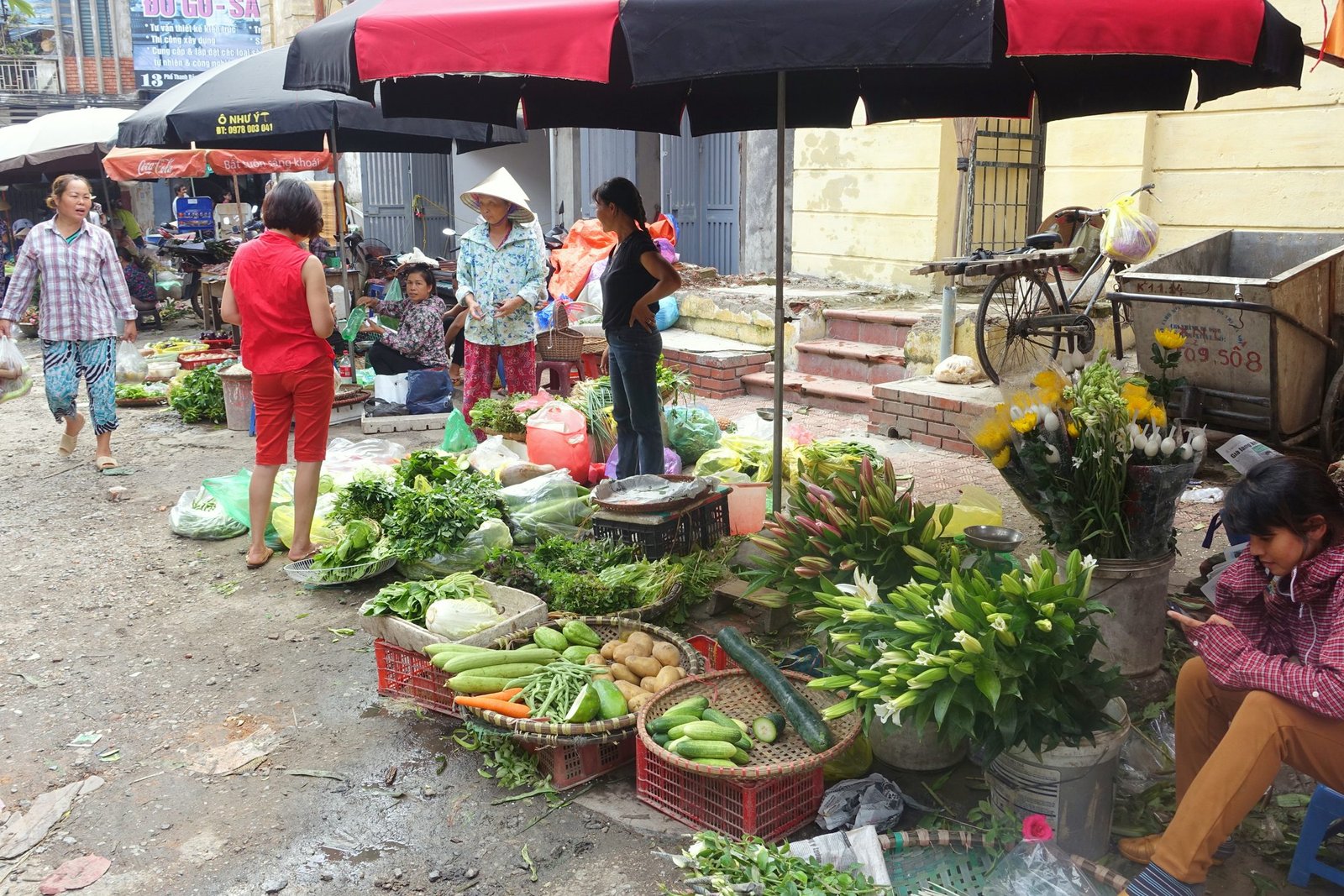
Take a basket or tote to the chợ, buy loose produce and let banana leaves do the wrapping. Fresh, home-cooked food usually means less packaging, and plenty of vegetables, herbs and greens such as rau muống bring the fibre your gut loves.
Swap 10
Clams, mussels and snails are a joy, so make them an occasional treat rather than a daily habit, and use salt lightly. Most importantly, if you smoke, this is one more reason to stop. On high pollution days, keep windows closed, use an air purifier with a HEPA filter, wear a well-fitted mask on the motorbike and move your exercise indoors.
Our tip
If you only change one thing, keep hot food and hot drinks out of plastic. Heat is the biggest driver, and a cặp lồng and a steel tumbler cover most of a Vietnamese day.
A smile and a few words in Vietnamese make plastic-light ordering easy. Vendors are generally delighted when you bring your own container.
| Vietnamese | English |
|---|---|
| Không lấy túi nha. | No bag, thank you. |
| Cho em xin vào hộp này nhé. | Could you put it in this container, please? |
| Không cần ống hút ạ. | I don't need a straw, thank you. |
| Em uống ở đây. | I'll drink it here. |
| Cho em ly thủy tinh được không? | Could I have a glass, please? |
Vietnam is moving in the same direction. New national rules are phasing out thin plastic bags and single-use plastics in hotels, supermarkets and tourist areas, and Hà Nội has set its own timetable for markets and convenience stores. Every cặp lồng on a handlebar is part of that change.
At Vietnam Detox
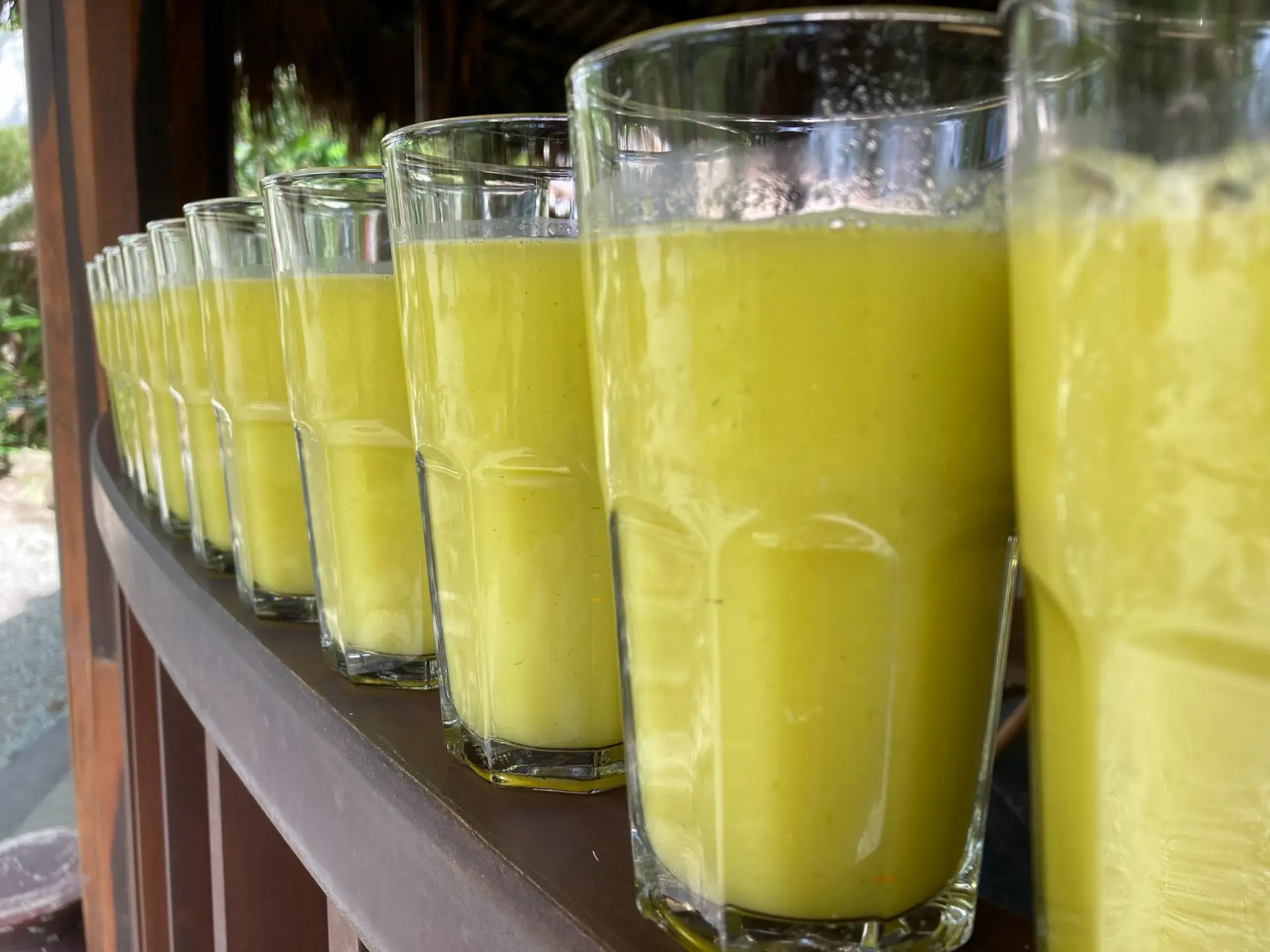
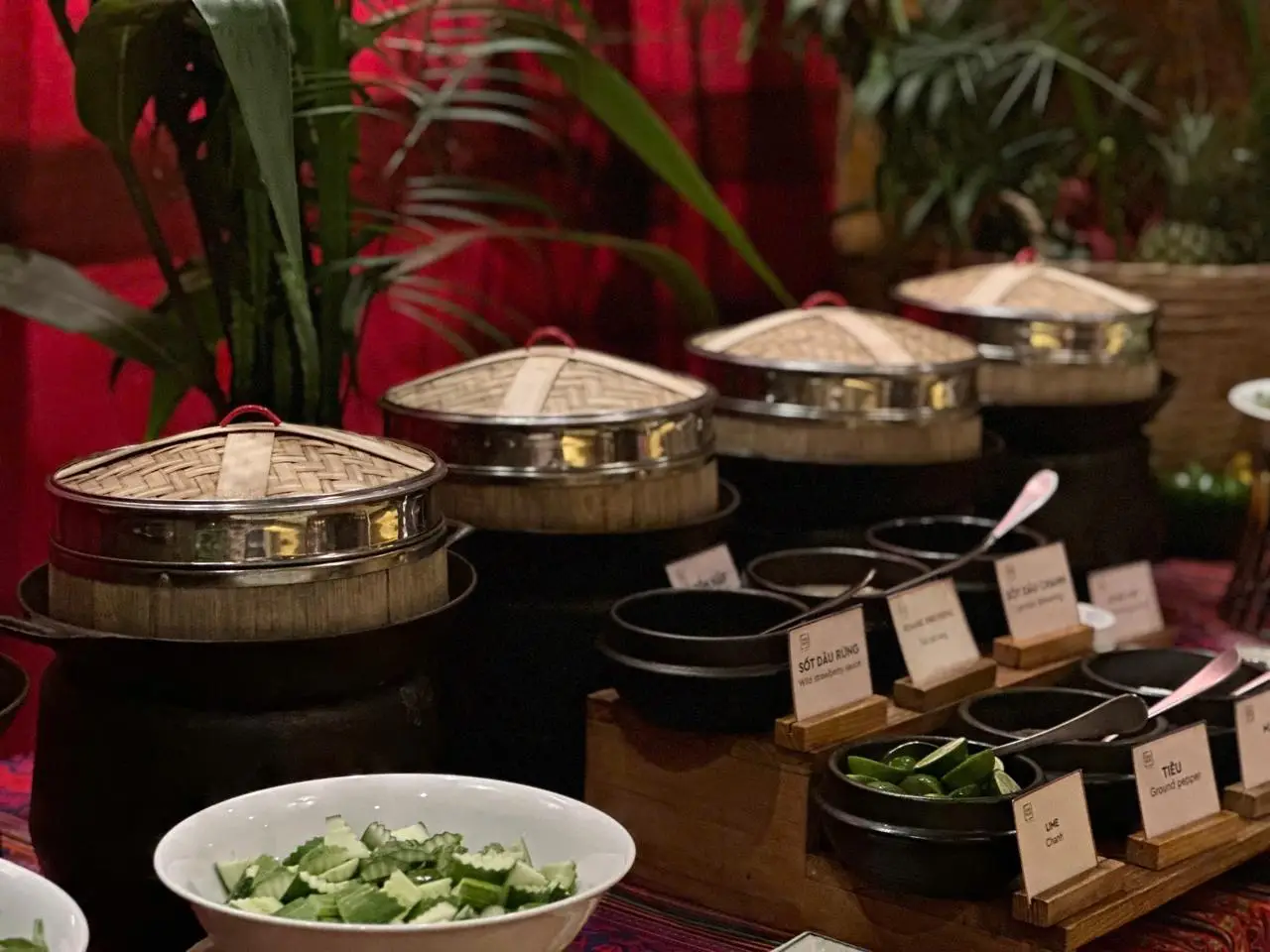
A Buchinger fasting retreat is a pause from the habits of everyday life, and that includes the plastic that quietly travels with them. We do not claim that fasting removes plastics. What a retreat offers is space to rest, to reset how you eat and to try new habits in a calm setting before you take them home.
On retreat
On retreat
From the gardens of Yên Retreat in Huế to the mountain air of “An” Retreat @ Legacy Yen Tu MGallery and the coast at Hồi Retreat @ Fusion Resort & Villas Da Nang, each setting brings its own way into the conversation about food, air and the sea.
Have you tried any of these swaps, or do you have your own tips for plastic-light eating in Vietnam? We would love to hear what works for you.
Please share your thoughts in the comments below. Your ideas may help someone else take their first step.
Next step
Join us for a guided Buchinger fasting retreat in Vietnam, with movement, honest education and habits that last long after you leave.