

Key takeaways
- Start winding down three to five days before a fasting retreat by shifting toward vegetables, fruit, and cooked whole grains.
- US adult men average 19 teaspoons of added sugar daily and women 15, so cutting back gradually softens the transition into a fast.
- Taper caffeine over one to two weeks rather than quitting cold, since withdrawal headaches peak in the first couple of days.
- Hydrate deliberately before you arrive, because most daily water comes from drinks you give up during a fast.
- The biggest pre-fast mistake is a last indulgent binge, which makes the first fasting days noticeably harder.
The short answer to what to eat before fasting is simple: lighter, plainer, and more plant-based with each passing day. In the three to five days before a retreat, shift toward vegetables, fruit, legumes, and cooked whole grains while easing off meat, dairy, alcohol, sugar, and caffeine.
This gradual wind-down is the heart of good fasting preparation. It lets your digestion slow down on its own schedule instead of being forced into it, and it blunts the headaches and cravings that catch unprepared fasters off guard. Below is a practical guide to the days leading up to your arrival.
Why does pre-fast preparation improve your results?
Preparation works because it spreads the hardest adjustments across several calm days instead of one jarring one. When you reduce stimulants and heavy food in advance, your body has already started adapting before the fast formally begins, so the first days feel manageable rather than brutal.
The Buchinger method, the German fasting tradition that Vietnamdetox builds its retreats around, treats these preparatory days as part of the fast itself. A structured approach matters here. People who taper thoughtfully tend to report fewer withdrawal symptoms and a steadier mood during the opening phase, which is exactly when most first-time fasters are tempted to quit.
Think of it as lowering the drop. Arriving mid-transition, rather than at full stop, means your digestive system, blood sugar, and caffeine dependence are all already moving in the right direction.
What to eat before fasting: which foods to reduce first
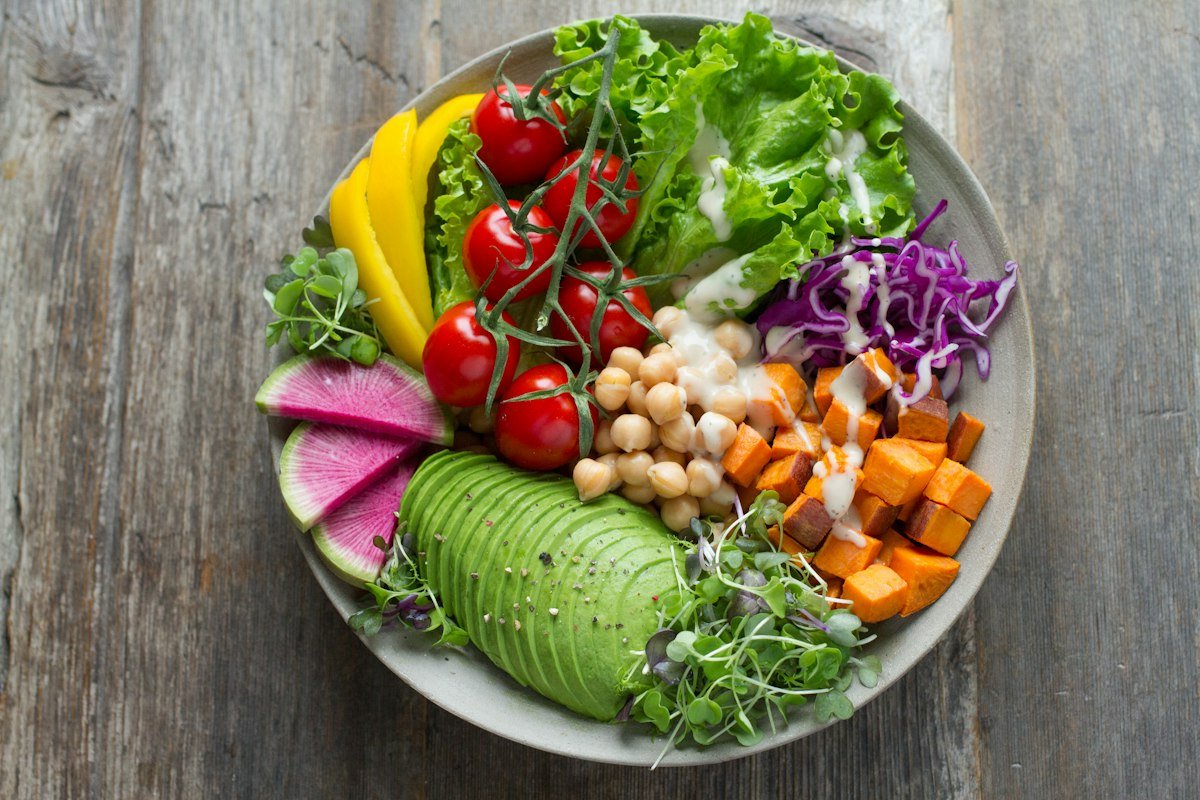
Reduce the foods that are hardest to digest and most stimulating first: red meat, fried food, alcohol, refined sugar, and heavily processed snacks. In their place, lean on vegetables, fresh fruit, legumes, and simply cooked whole grains like rice, oats, or millet.
Sugar deserves special attention. In the United States, adult men consume an average of 19 teaspoons of added sugar each day and adult women about 15 teaspoons, according to the Centers for Disease Control and Prevention (CDC, Added Sugars Data & Statistics, 2017-2018 survey data). That is a large daily habit to carry into a fast, and cutting it back over several days keeps blood sugar steadier when food stops entirely.
A useful sequence for the final week looks like this:
- Days 5 to 4 before arrival: drop alcohol, fried food, and added sugar.
- Days 3 to 2: reduce animal protein and dairy, lean into vegetables and fruit.
- Day 1: eat light, plant-based meals only, such as soups, salads, and steamed vegetables.
By the time you reach the retreat, your plate has already become most of the way to a fast.
Portion size matters as much as food choice here. Even healthy meals should get smaller across these days, so your stomach adjusts to less volume rather than meeting the fast at full capacity. Keep the final two days especially simple, and avoid rich sauces, large servings of nuts, and oily dressings that linger in digestion.
How do you taper caffeine and sugar gently?
Taper, do not quit. Cutting caffeine suddenly is the classic rookie error, because withdrawal headaches tend to arrive within a day of your last cup and peak over the following day or two, often exactly when a fast is starting.
The gentlest route is to halve your intake every few days over one to two weeks. If you drink four cups of coffee a day, move to two, then one, then switch the last cup to green tea and finally to herbal tea or warm water. Sugar follows the same logic: reduce sweet drinks and desserts first, then sweetened dairy and sauces, so your palate recalibrates before the fast.
Green tea is a helpful bridge because it carries a smaller, steadier dose of caffeine than coffee. Spacing the taper out means the withdrawal and the fast do not pile onto the same day, which is what turns a manageable reset into a miserable one.
What are the best hydration and gut-prep tips?
Hydrate deliberately in the days before you fast, because a surprising share of daily fluid comes from food and drinks you are about to give up. Among US adults, plain water made up only about 30 percent of total daily water intake for men and 34 percent for women, according to the National Center for Health Statistics (CDC NCHS Data Brief 242, 2016). The rest came from other beverages and food.
Many people also start from a low baseline. In one CDC analysis, 43.7 percent of US adults drank less than four cups of water per day (CDC, Preventing Chronic Disease, 2013). If that sounds like you, the days before a retreat are the time to build the habit, not after food has already stopped.
That matters for fasting preparation. When meals stop, so does their hidden water, so building a strong plain-water habit beforehand leaves you better buffered. Aim to sip water steadily through the day rather than forcing large amounts at once.
For the gut, the goal is to lighten the load. Increasing vegetables and fruit in the final days adds fiber that supports regularity, and some fasting traditions include a gentle bowel-clearing step at the start of the fast. A warm vegetable broth on your last pre-fast evening is easy to digest and keeps you hydrated at the same time.

Simple rituals help. Warm water with lemon in the morning, herbal tea in the afternoon, and broth in the evening give structure to the day while keeping fluids up.
Which common mistakes make fasting harder?
The most common mistake is the farewell feast: one last heavy, indulgent meal the night before. It backfires. A rich final dinner spikes blood sugar and leaves your digestion working overtime just as you want it to wind down, which tends to sharpen hunger and discomfort on the opening fasting day.
A few other pitfalls show up again and again:
- Quitting caffeine cold on arrival, then spending day one with a withdrawal headache.
- Skipping water in the belief that fasting means restricting fluids too.
- Loading up on sugar "while you still can," which worsens the early crash.
- Arriving stressed and sleep-deprived, which amplifies every other symptom.
Sleep and stress belong on this list too. Arriving tired or wound up makes the first fasting days feel harder, because fatigue and tension sharpen the same headaches and irritability that caffeine withdrawal can bring. A few early nights and a calmer schedule in the final week pay off more than most people expect.
Avoiding these is mostly about respecting the preparation window instead of cramming. A retreat that uses the Buchinger method, like those Vietnamdetox runs, is designed to guide this transition for you, but the days before you arrive are yours to manage. Spend them tapering rather than indulging.
Ready to prepare well? Pick a start date for your taper now, mark the caffeine and sugar step-downs on your calendar, and plan three plant-forward meals for your final day so the shift feels automatic rather than abrupt.
Frequently asked questions
What should I eat the week before a fasting retreat?
Favor vegetables, fruit, legumes, and cooked whole grains while reducing meat, dairy, alcohol, and processed food. The goal is a lighter, plant-forward diet that eases your body toward the fast.
Should I stop drinking coffee before I fast?
Taper rather than quit abruptly. Cut your intake by roughly half every few days over one to two weeks so caffeine withdrawal headaches do not collide with the first days of your fast.
How much should I eat the day before fasting begins?
Eat a light, simple meal built around vegetables and fruit. A heavy final feast works against you and tends to make the opening fasting days more uncomfortable.
Does pre-fast preparation really change the experience?
Yes. Reducing sugar, caffeine, and heavy foods in advance lowers the odds of headaches, irritability, and strong hunger during the early fasting phase, so you settle in faster.