Nutrition Journal
A large new study links the bacteria in our gut with how strong and independent we stay in later life. Here is what it found, what it cannot tell us yet, and what it means for everyday life in Vietnam.
Most of us know someone who seemed to age suddenly. One year they were cycling to the market; the next, a short flight of stairs felt like a climb. Doctors call this gradual loss of reserve frailty. A study published in July 2026 suggests that gut bacteria and frailty may be closely linked. It also offers a few useful clues for daily life in Vietnam.
In brief
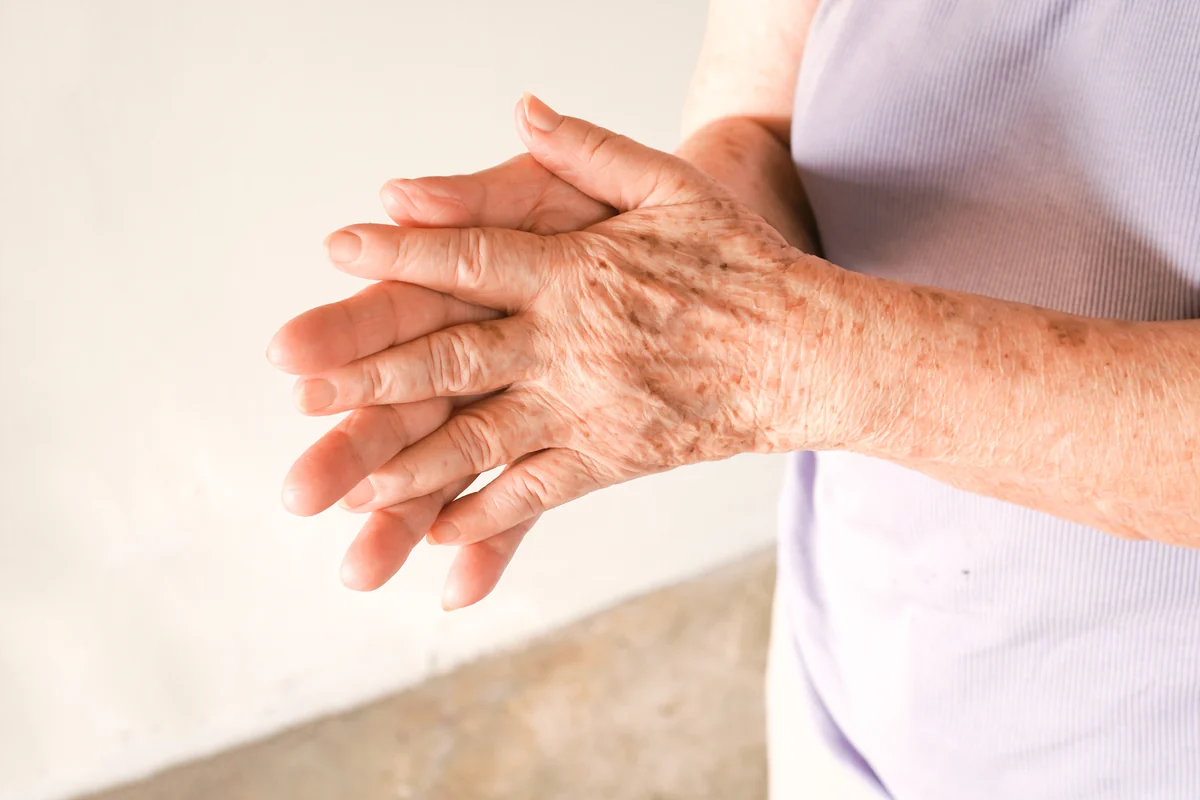
Frailty is not simply getting older. Instead, it describes a body with less reserve to cope with stress. A fall, an infection or a hospital stay then hits harder. Typical signs include slower walking, weaker grip, tiredness, unplanned weight loss and difficulty rising from a chair.
The topic matters in Vietnam because the country is ageing quickly. According to national projections published in December 2025, about 14.2 million people were aged 60 or over in 2024. By 2034, that figure is expected to reach almost 21 million.
That nine-year gap is the part worth thinking about. On average, people in Vietnam spend almost a decade of later life with illness or limited function. Meanwhile, community studies in Hồ Chí Minh City and rural Hà Nội found that around one in five older adults were frail. Roughly two in three were “pre-frail”, meaning partway there. Pre-frailty is common, which makes it a good moment to pay attention.
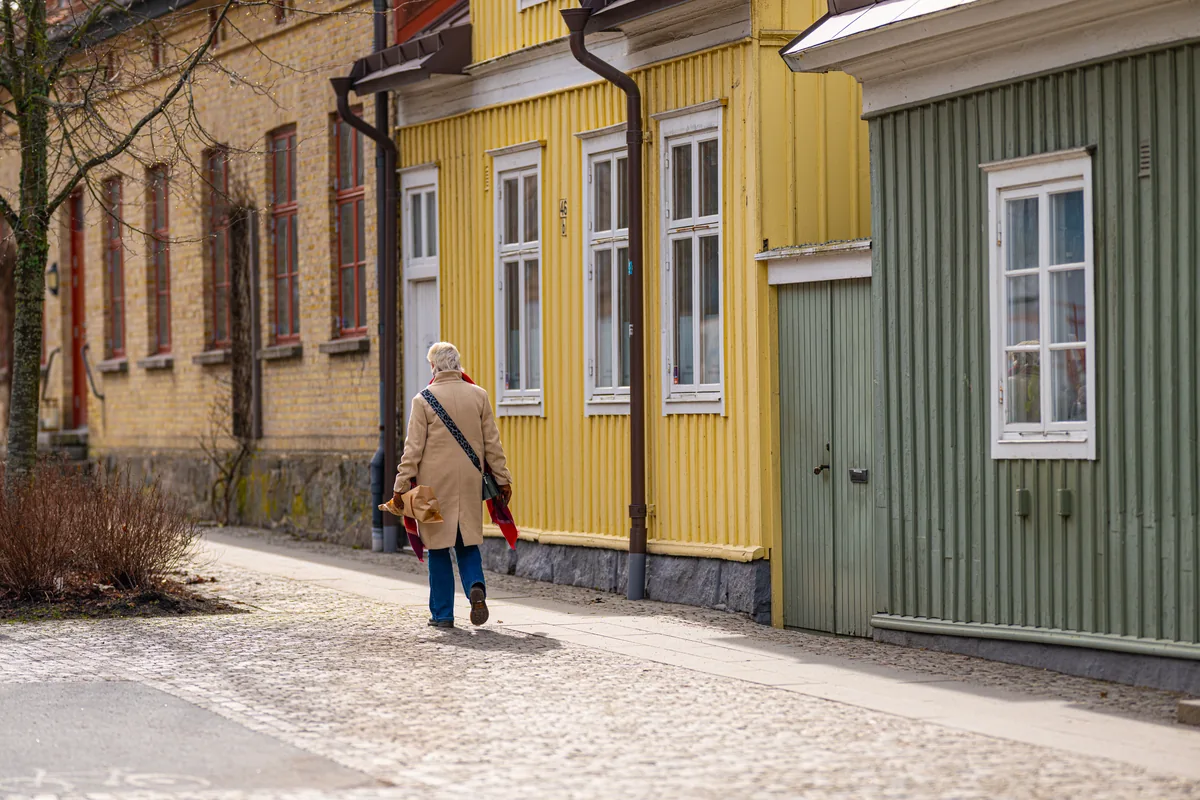
Researchers at the University of Gothenburg analysed stool samples from 2,081 Swedish women aged 75 to 80. They then compared the bacteria in each sample with a frailty score. The score combined walking speed, a chair-rise test, body weight, mental wellbeing, existing illnesses and hospital stays. Finally, they followed the women for almost eight years.
Study spotlight
Journal: Nature Communications, July 2026
Who was studied: 2,081 women aged 75 to 80 living at home in the Gothenburg area of Sweden, with key findings checked in 1,448 older men and women in Rugao, China.
What was found: Women with a richer variety of gut bacteria had better physical function and lower risks of falls and death during follow-up. In total, 404 bacterial species were linked to the frailty score. Several species that produce butyrate, especially Faecalibacterium prausnitzii, were more common in women who were less frail. Other species, including Enterocloster and Eggerthella, became more common as frailty increased. More than half of the most strongly linked species showed the same pattern in the Chinese group.
Limits: Stool was sampled only once, so the study shows a link, not cause and effect. Diet was not recorded. Frailty explained less than one per cent of the overall differences in gut bacteria between women. The Swedish group included only women.
The authors are careful on one point. They write that the design “precludes causal inference”. In other words, we cannot yet say whether gut bacteria help drive frailty. Equally, frailty, illness and medication may change the gut. It may well be a little of both.
Key insight
Butyrate is a short-chain fatty acid that some gut bacteria make when they ferment fibre. It is the main fuel for the cells lining the large intestine, and it helps keep the gut wall in good condition. Bacteria that make it need fibre to do so.
Faecalibacterium prausnitzii is one of the most common butyrate makers in the human gut. In the Swedish study, the gene that bacteria use for the final step of butyrate production became steadily less common as frailty increased. However, the study did not find that butyrate production on its own predicted falls, fractures or survival. So it is better to see these bacteria as one sign of a healthy gut ecosystem rather than a single target to chase.
A separate study, published in Nature Aging in 2024, found a similar pattern in 1,821 older adults in China. That gives the findings more weight, because the same bacteria keep appearing in very different countries and diets.
Until now, no study in Vietnam has looked directly at gut bacteria and frailty. Still, there is useful local research on the gut health of older Vietnamese adults. Several features of life here are also worth knowing about.
Study spotlight
Journal: Microorganisms, December 2025
Who was studied: 227 healthy adults aged 60 and over in towns and villages in Hà Nội and Thanh Hóa.
What was found: Older people in urban Hà Nội had a richer variety of gut bacteria and more Bifidobacterium. They were also far more likely to eat vegetables at least twice a day (98 per cent compared with 61 per cent). Rural elders in Thanh Hóa had more Roseburia and other bacteria linked to butyrate. With age, Prevotella and Roseburia became less common.
Limits: The study was a single snapshot taken in one season, and diet and location were closely tied together. It was not designed to test frailty.
The lesson is not that city life or village life is better. Rather, it suggests that daily vegetables and a varied diet show up in the gut, wherever we live.
Rice still provides about 40 per cent of household food energy in Vietnam, although it is slowly falling. Meanwhile, the National Institute of Nutrition recommends at least 20 grams of fibre a day for men over 50. For women, the figure is 17 grams. Studies of Vietnamese diets have found typical intakes of roughly 6 to 10 grams. Sugary drinks have also risen about fourfold since 2009, to around 66 litres per person each year.

Antibiotics are easy to buy here. A 2022 study sent trained “mystery shoppers” to pharmacies in 40 districts. Antibiotics were handed over without a prescription to 92 per cent of adults describing cold symptoms. Antibiotics are important when they are truly needed. Even so, each course disturbs the gut ecosystem, and frequent courses may leave it less varied.

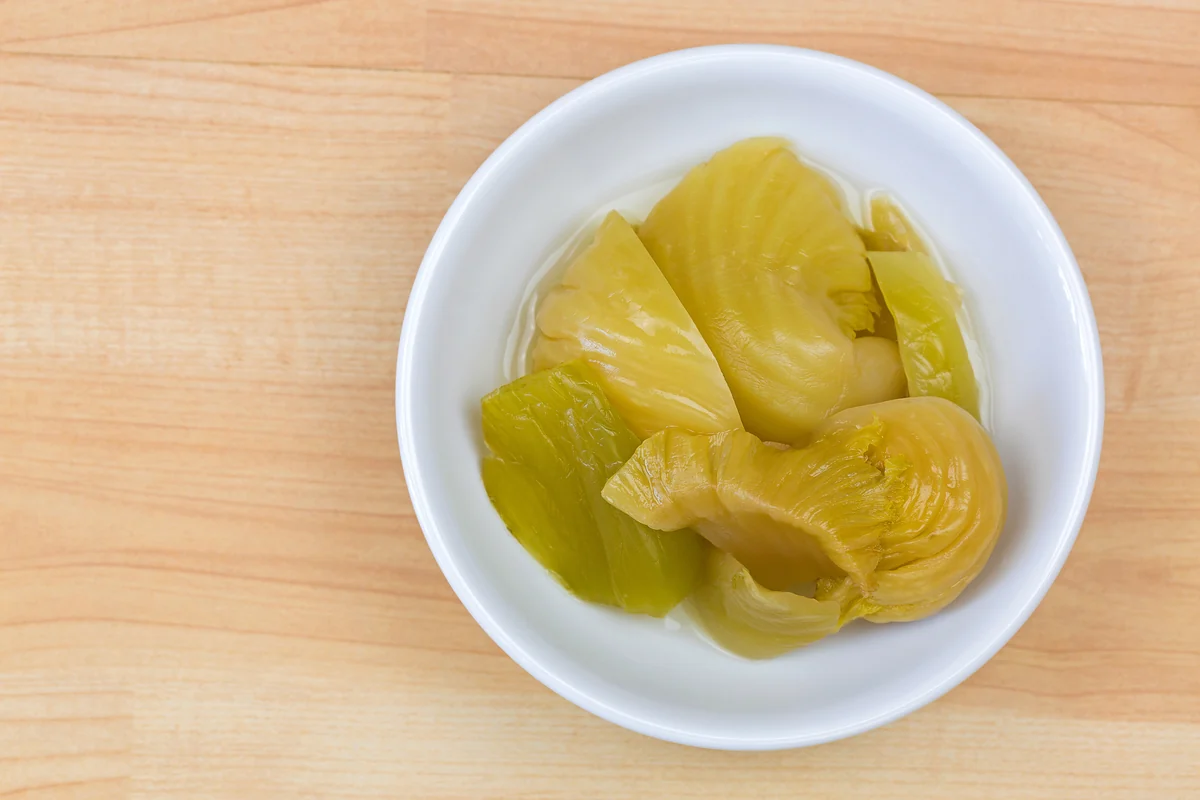
Vietnamese kitchens have a long tradition of fermentation: dưa cải chua, cà pháo, tương and many kinds of mắm. In a 2021 trial at Stanford University, 36 healthy adults changed their diet for ten weeks. Those who built up to about six servings of fermented foods a day developed a more varied gut and lower markers of inflammation. However, many pickles and sauces here are salty. Adults in Vietnam already eat about 8 grams of salt a day. The World Health Organization advises under 5 grams. Small portions are the sensible middle path.
If you live outside Asia, many traditional kitchens offer the same kind of foods. Sauerkraut, naturally fermented gherkins, kefir and buttermilk all contain live bacteria, as long as they have not been heat-treated. Raw sauerkraut from the chilled shelf keeps its bacteria, while sauerkraut from a jar or tin has usually been pasteurised. It still brings fibre, though. Sourdough rye bread is a slightly different case: baking ends the fermentation, yet the bread keeps its fibre and is often easier to digest.
Gut-friendly foods, wherever you live
| In Vietnam | If you live outside Asia | |
|---|---|---|
| Fermented foods with live bacteria | Dưa cải chua, cà pháo muối, plain sữa chua (yoghurt), tương, low-sugar kombucha | Raw sauerkraut, naturally fermented gherkins in brine, kefir, buttermilk, natural yoghurt |
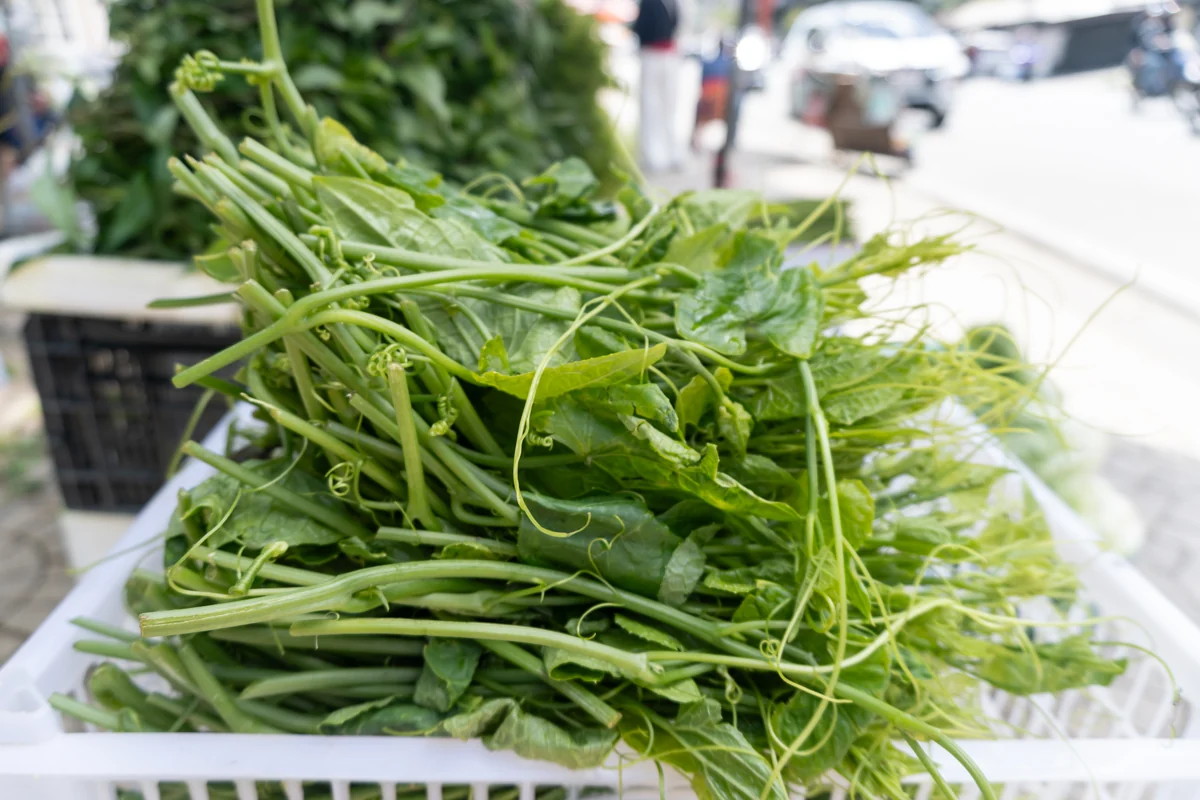
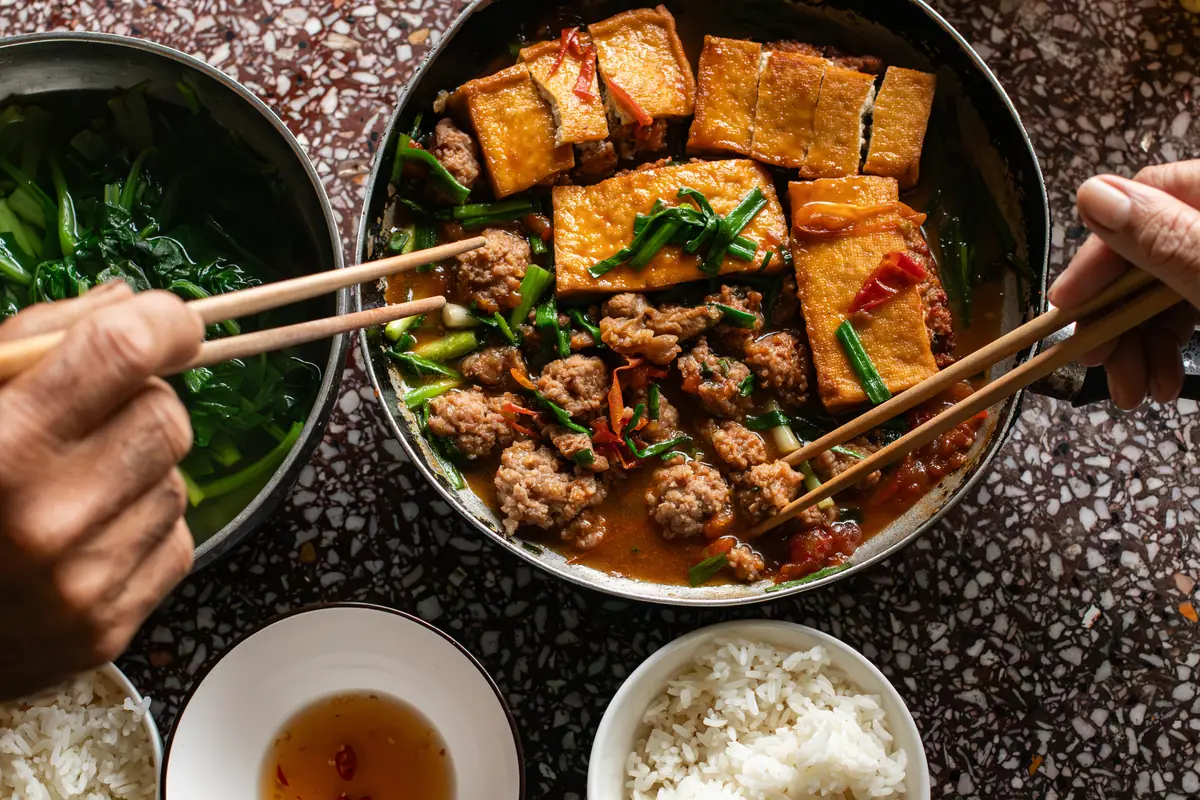
| Fibre that feeds gut bacteria | Rau muống, bắp chuối, đậu đen, đậu xanh, khoai lang, green banana | Oats, lentils, leeks, chicory, Jerusalem artichoke, wholegrain rye bread |
| Resistant starch | Rice that has been cooked, cooled and gently reheated | Potatoes cooked the day before, as in a potato salad |
The bacteria linked to healthy ageing in this study, such as Faecalibacterium, are not found in typical probiotic capsules. Moreover, Vietnam’s Ministry of Health has opened more than 120 criminal cases involving fake food and supplements since early 2025. A varied, plant-rich diet is a safer place to start. If you would like to try a supplement, it is worth asking your doctor or a licensed pharmacist first.
This one needs nuance. During a Buchinger fast, fibre-loving bacteria such as Faecalibacterium do fall, simply because there is almost no fibre to ferment. Studies suggest they recover when food returns, and they may even increase during a careful refeeding phase. We explain this in more detail below.
Frailty is closely tied to the loss of muscle with age, known as sarcopenia. In a 2024 study of 1,899 adults in Hồ Chí Minh City, about one in seven people over 50 had sarcopenia. Among those over 80, the figure rose to between 40 and 50 per cent. Encouragingly, the gut and the muscles seem to support each other. A 2024 review of 20 studies linked butyrate-producing bacteria with better muscle mass and strength.
Protein and strength training still do most of the heavy lifting. European nutrition experts suggest at least 1.0 to 1.2 grams of protein per kilogram of body weight a day for healthy older adults. Spreading it across meals seems to help. Our articles Strong Muscles, Long Life and Get a grip: what your hand strength says about your health explore this side of the story.
Our retreats follow the Buchinger method, so we want to be open about what fasting does to gut bacteria. A 2019 study in the Journal of Nutritional Science followed a ten-day Buchinger fast. Faecalibacterium and other fibre-fermenting bacteria fell during the fast. By three months later, the overall mix had returned to its starting point. Faecal levels of short-chain fatty acids, including butyrate, were higher than before. The study was small (15 healthy men) and had no comparison group.
The Buchinger Wilhelmi clinics, where much of this research takes place, now advise bringing fibre back step by step after a fast. They are also running a trial, the CoFFIe study, to test whether a little resistant starch during fasting helps to feed these bacteria. You can read about it on the Buchinger Wilhelmi website.
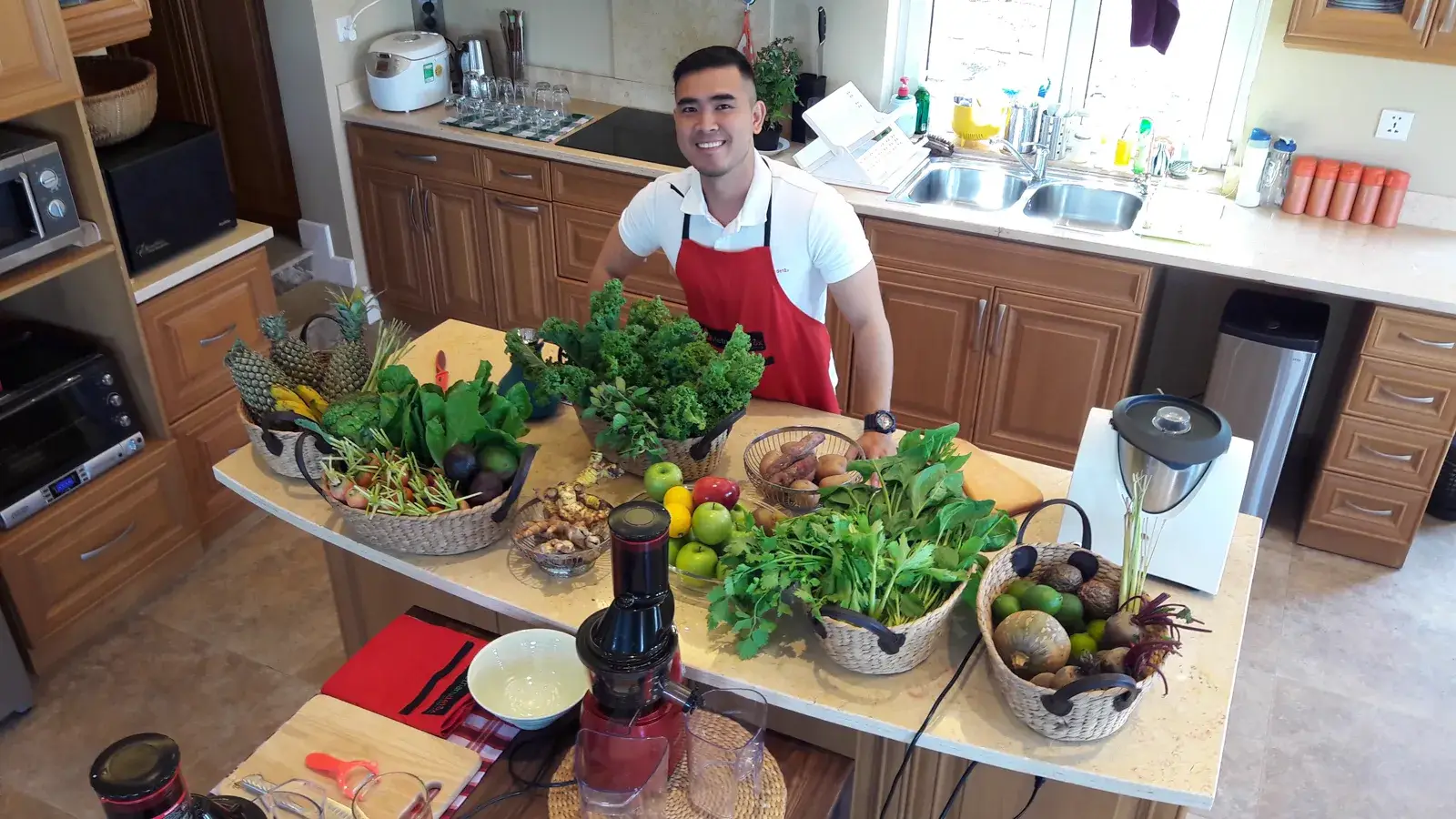
In our kitchens, the days after the fast matter as much as the fast itself. We reintroduce food slowly, starting with a soft apple and vegetable soup, then adding local greens, herbs, legumes and small amounts of fermented foods.
In our wellness classes, we talk about plant diversity, protein and simple strength habits that guests can keep at home.
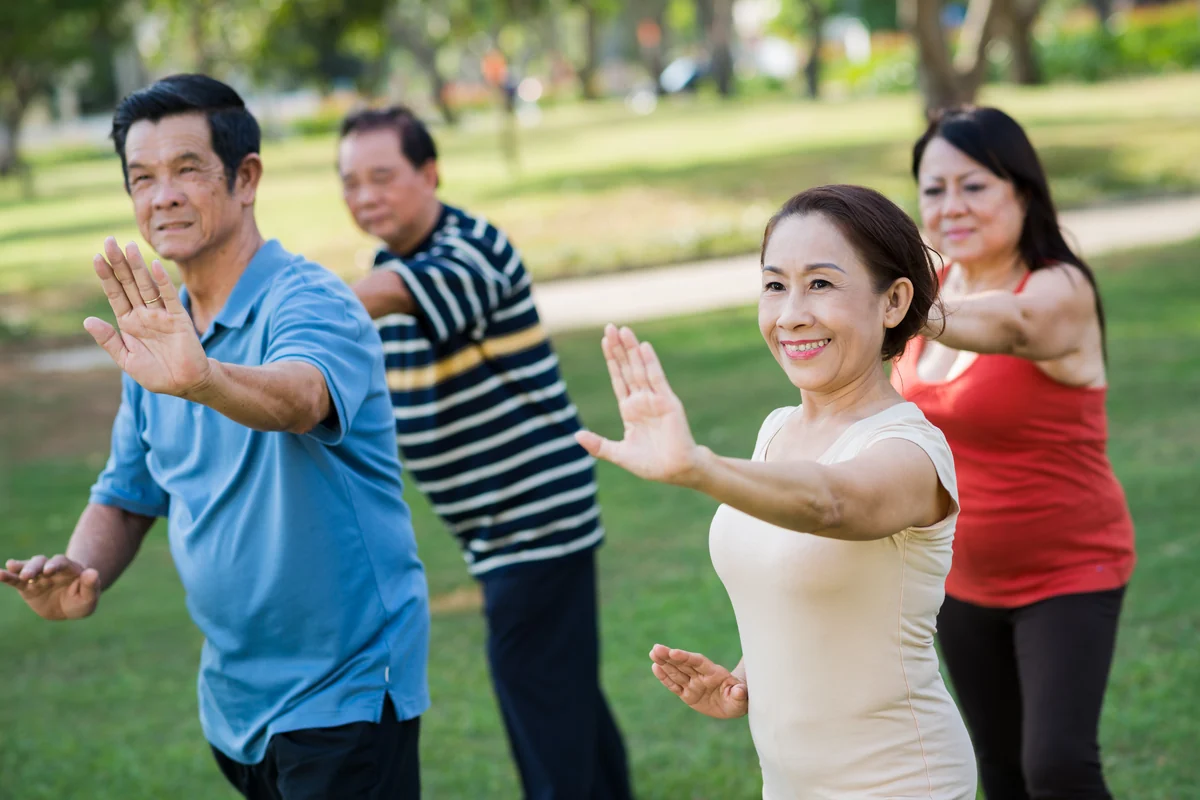
Across our retreats, from the forested slopes of Yên Tử to the coast near Đà Nẵng, we walk every day. It keeps legs strong while the body rests from digestion.
Our retreats are designed for generally healthy adults who want to build reserves for later life. Before every retreat, we talk with each guest about their health. Longer fasts have not been studied in frail older people. Therefore, if you are frail, underweight or recovering from illness, we would like to talk it through with you and your doctor first.
Our tip
The new research does not give us a magic bacterium. Instead, it confirms something older and simpler: a varied gut seems to go hand in hand with a body that stays strong. Here are six ideas that work in everyday life in Vietnam, and most of them travel well.
Signs worth discussing with your doctor
•Weight loss you did not plan
•Walking more slowly, or needing your arms to rise from a chair
•A fall, or a new fear of falling
•Lasting changes in bowel habits, or blood in your stool
•Taking acid-reducing medicines for months, or several antibiotic courses a year
•Planning a fast if you are over 70, take regular medication or have a long-term condition
Share this article
Questions? We would be glad to hear from you. Write to us.
With warm wishes,
Dieter and the Vietnam Detox team
Next step
Our preventive wellness retreats combine Buchinger fasting, careful refeeding, daily walks and time in nature.
 "An" Retreat @ Legacy Yen Tu MGalleryLegacy Yên Tử MGalleryMountain stillness, mindfulness and guided fasting in Yên TửNext retreat: 17–21 March 2027Discover →
 Yên RetreatAlba Wellness Valley, HuếNatural hot springs, herbal baths and deep restNext retreat: 16–20 December 2026Discover →
 Hồi Retreat @ Fusion Resort & Villas Da NangFusion Resort & Villas Da NangSunrise beach walks, sea air and gentle fasting by the coastNext retreat: 20–24 January 2027Discover →