
Key takeaways
- The days right after a fasting retreat shape whether your reset lasts, so treat them as part of the experience rather than the end of it.
- Reintroduce food slowly and keep meals simple and whole; a gentle return protects the calm digestion your fast created.
- New habits take time to settle. Research on habit formation found an average of 66 days before a behaviour felt automatic.
- Guard your sleep, movement, and quiet time first, because these protect the energy you rebuilt before work and stress reclaim it.
- Plan a concrete next step, whether a personal check-in or a future reset, so your progress has somewhere to go.
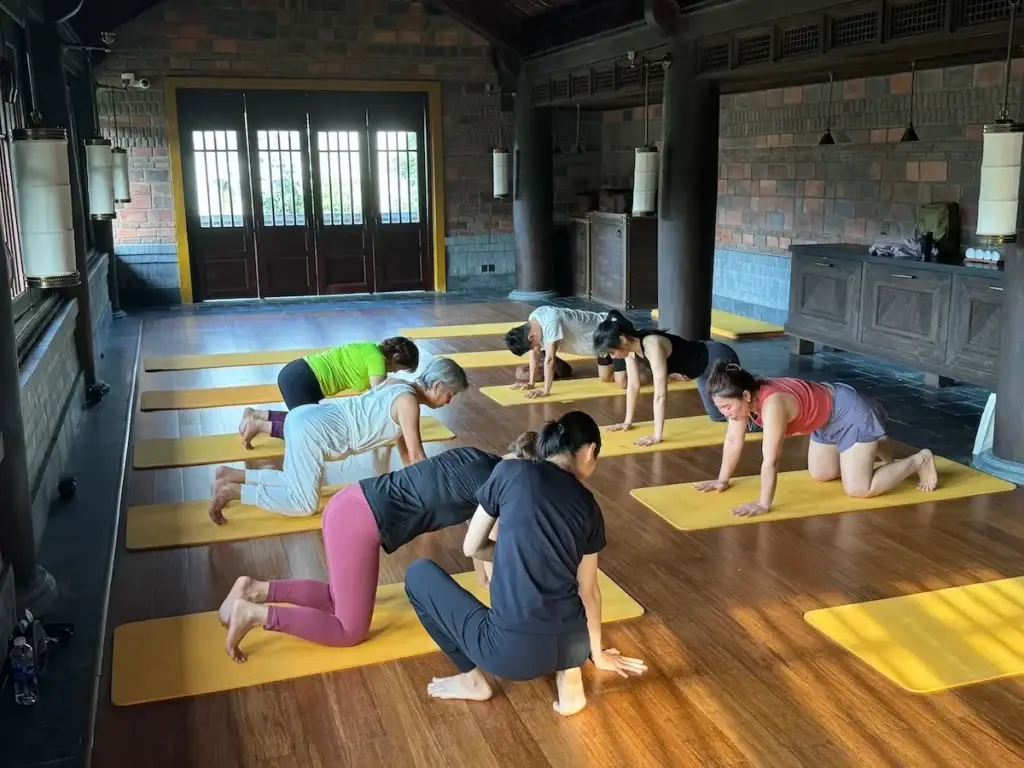
The work after a fasting retreat matters as much as the retreat itself. What you do in the first days and weeks at home decides whether the lightness, clarity, and calm you felt become a lasting change or a pleasant memory. This guide walks through how to carry your reset forward: reintroducing food gently, protecting your new energy, handling the return to work, and planning what comes next.
A retreat gives your body a rare pause. Your digestion rests, your nervous system settles, and your relationship with food often shifts. Those changes are real, but they are also fragile in the first stretch back in ordinary life. The good news is that keeping your reset alive does not require willpower or complicated rules. It asks for a little patience and a few simple, repeatable choices.
Why the Days After a Fasting Retreat Matter Most
During a structured fast, your body does a lot of quiet repair. By the time you leave, your system has adapted to rest, simplicity, and slower rhythms. The transition back is where that progress is either protected or lost.
Think of it this way. A fast opens a window. Your appetite signals are clearer, your taste for whole food is sharper, and your stress levels are lower. In that window, new choices feel natural rather than forced. If you rush back into old patterns, the window closes quickly and the familiar habits reassert themselves. If you move gently, you give the reset time to take root.
This is also when your digestion is most sensitive. After days of rest, the gut needs to be eased back into work, not flooded. A careful return protects the comfortable, settled digestion your fast created. For a closer look at what your body does during the fast itself, our guide on what happens to your body on day 3 of fasting explains the shift that makes this recovery possible.

Reintroducing Food and Routines Gently
The single most important step after fasting is breaking the fast slowly. Your digestive system has powered down, and it needs time to wake up. Clinical guidance on recovery from prolonged fasting suggests a gradual reintroduction of food lasting at least half the length of the fast, easing the body back toward a full diet rather than returning to large meals at once (PubMed).
A gentle few days might look like this:
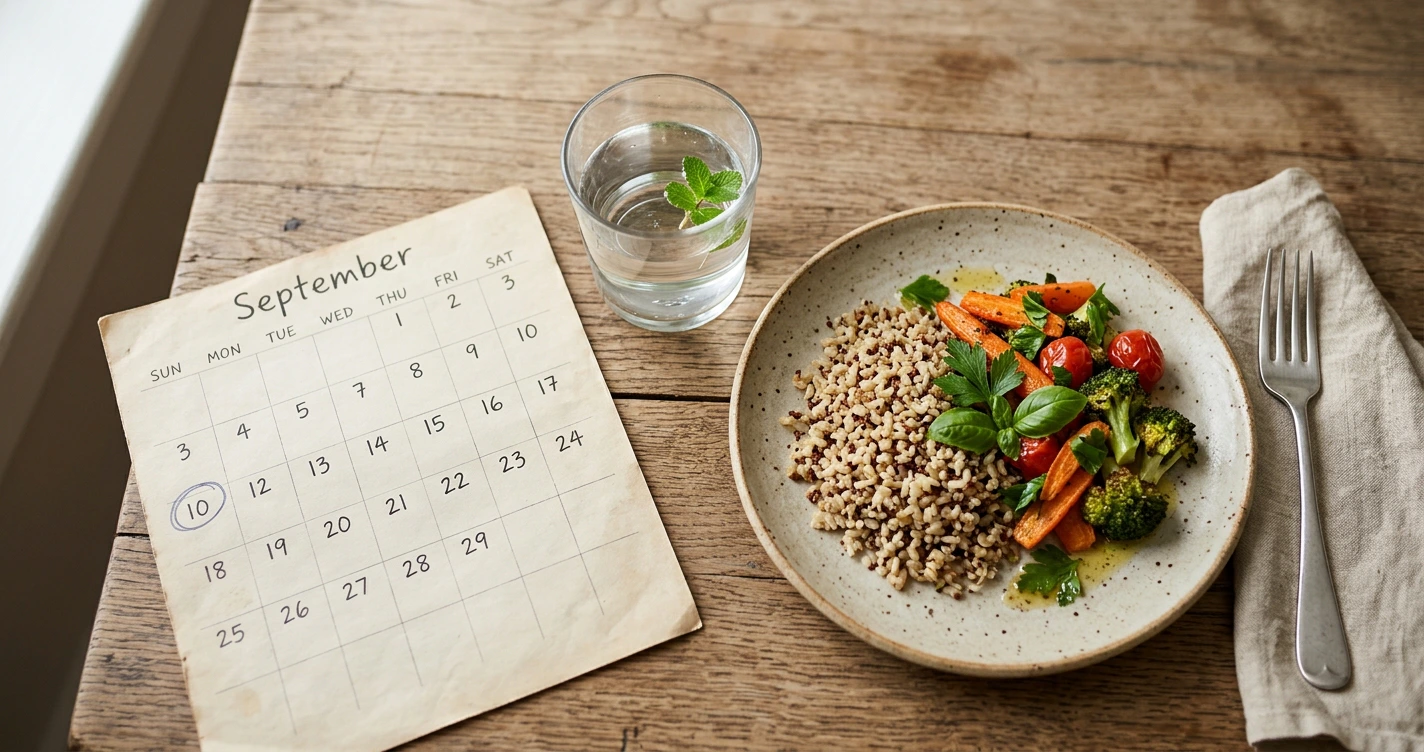
- Start with easily digested foods: light soups, cooked vegetables, soft fruit, and broths.
- Add whole grains, legumes, and simple proteins as your appetite steadies.
- Eat slowly, chew well, and stop before you feel full.
- Favour real, whole food over processed convenience meals while your palate is still clear.
Routines deserve the same care. You do not have to recreate the entire retreat at home, and trying to can set you up to fail. Instead, carry one or two anchors forward: a morning glass of warm water, an unhurried walk, a few quiet minutes before screens. These small, repeatable practices hold the shape of the reset far better than a long list of rules. For a step by step approach to the first meals, see our guide on how to break a fast safely.
Habits That Protect Your New Energy
A reset gives you a clean starting point. Habits are what keep it. The challenge is that new routines take time to feel automatic, and the early weeks are when most people drift back.
Research on how habits form offers a realistic expectation. In a study from University College London, participants took an average of 66 days for a new behaviour to feel automatic, with individuals ranging from 18 to 254 days depending on the person and the habit (European Journal of Social Psychology, via Science of Self Help). The lesson is simple. Give yourself weeks, not days, and do not treat a single missed day as failure.
A few habits tend to protect post-retreat energy best:
- Protect sleep first. Deep rest is where recovery compounds. A consistent bedtime does more than any supplement.
- Keep moving gently. A daily walk sustains the calm, steady feeling a fast creates. Our guide to gentle movement during a fast carries over well to life at home.
- Keep meals simple. When food stays whole and uncomplicated, digestion stays comfortable and energy stays even.
- Keep some quiet. A few minutes offline each day protects the mental spaciousness you rebuilt.
You do not need all of these at once. Choose one, let it settle, then add another. Small and consistent beats ambitious and short-lived.

Managing a Return to Work and Stress
The sharpest test of a reset is often the first week back at work. Deadlines, screens, and other people's urgency can undo a calm nervous system quickly if you let the re-entry be abrupt.
Where you can, build a soft landing. Returning on a Wednesday or Thursday gives you a shorter first week. Blocking the first morning for a slower start, rather than a full calendar, lets you ease in. Protecting one quiet ritual, a walk at lunch or a screen-free first hour, gives your day an anchor that stress cannot easily remove.
It helps to name what you are protecting. Chronic stress keeps the body's stress response switched on and sustains high levels of cortisol, the hormone that, when elevated for long periods, is linked to problems with sleep, digestion, and concentration. The practices that lower that load are the familiar ones: enough sleep, daily movement, time outdoors, and moments without input. None of them are dramatic, and that is the point. If the return feels heavier than expected, our piece on the signs of burnout and when you truly need a reset can help you read your own limits before they are crossed.
Planning Your Next Check-In or Retreat
A reset is not meant to make you dependent on a retreat. The aim is the opposite: you leave with understanding, practical tools, and the confidence to care for yourself at home. Still, having a next step on the calendar gives your progress somewhere to go.
Consider three timescales:
- Weekly. A lighter eating day or a longer walk keeps the rhythm alive without any special planning.
- Monthly. A personal check-in with yourself, reviewing sleep, energy, and how food has felt, helps you notice drift early.
- Seasonal. Many people find that a structured reset once or twice a year suits the body's natural rhythm, with everyday practices filling the space between.
If you are thinking about when a future reset might fit, timing matters for both your schedule and the setting. Our guide to the best time of year to visit Vietnam for a retreat can help you plan a return that feels restorative rather than rushed.
Whatever rhythm you choose, keep it honest and sustainable. The measure of a good reset is not how extreme it was, but what quietly continues afterward: steadier sleep, a clearer relationship with food, more energy for the people and work you care about, and a greater sense that you can look after yourself.
The most useful thing you can do this week is small. Pick one habit from this guide, protect your sleep, keep your first meals simple, or block a quiet half-hour, and let it settle before adding anything else. That single choice, repeated, is how a reset stays alive.
Frequently asked questions
How long do the benefits of a fasting retreat last?
It depends on what you do afterward. The physical reset fades within weeks if old habits return quickly, but the clarity and routines can last for months when you reintroduce food gently and protect your sleep and movement.
What should I eat in the first days after a fasting retreat?
Start with simple, whole, easily digested foods such as soups, cooked vegetables, and fruit, then build back toward normal meals over several days. Eat slowly and stop before you feel full.
When should I plan my next reset?
There is no fixed rule. Many people find a seasonal rhythm helpful, revisiting a structured reset once or twice a year, while keeping lighter weekly or monthly practices in between.
Is it normal to feel a dip in energy or mood after returning home?
Yes. Returning to work, screens, and routine can feel jarring after the quiet of a retreat. A gradual re-entry, protected sleep, and daily movement usually smooth the transition.