
Key takeaways
- Break a fast with small amounts of easily digested food: broth, cooked vegetables, or soft fruit, not a full meal.
- The refeeding phase matters as much as the fast itself; reintroducing calories too fast can trigger dangerous electrolyte shifts.
- In a study of 1,422 people on a Buchinger fast, under 1% reported adverse effects, largely because refeeding was handled carefully (PLOS ONE, 2019).
- Rebuild portions over several days, chew thoroughly, and keep meals small until digestion settles.
- Signs you are going too fast include bloating, cramping, swelling, a racing heart, and sudden fatigue.
The safest way to break a fast is to start small: a cup of warm vegetable broth or a few bites of soft fruit, then wait and see how your body responds before eating more. How you break a fast decides whether you feel light and clear or bloated and unwell, and after a longer fast it can even be a question of safety. This guide walks through the refeeding phase step by step, from the first foods to portion timing to the warning signs that you are moving too fast.
Fasting gets most of the attention, but the recovery window is where people make the costliest mistakes. Your digestive system slows down during a fast, enzyme output drops, and the gut lining shifts into a resting state. Breaking a fast safely means waking that system gently rather than overwhelming it.
Why Is the Refeeding Phase So Critical?
The refeeding phase is critical because reintroducing food too quickly can trigger sharp, sometimes dangerous electrolyte shifts. When you fast, the body switches to burning fat and depletes stores of key minerals. The moment carbohydrates return, insulin spikes and pulls phosphate, potassium, and magnesium into cells, which can drop blood levels fast.
This reaction has a name: refeeding syndrome. In clinical settings it is graded by how far electrolytes fall, with a decline of more than 30 percent, or any resulting organ dysfunction, classed as severe (StatPearls, NCBI, 2024). The same clinical reference notes that 34 percent of one group of intensive-care patients developed low phosphate an average of 1.9 days after feeding restarted.
Most people breaking a short, well-run fast will never approach that territory. The risk rises with the length of the fast, very low body weight, and existing health problems. Still, the principle holds for everyone: the longer and stricter the fast, the slower and more deliberate the return to food should be.
Structured programs build this caution in by design. The Buchinger method, for example, never drops to zero calories; it runs on roughly 200 to 250 kcal a day from broths, juices, and honey, which keeps the digestive system ticking over and makes the transition back to solid food smoother.
What Are the First Foods to Reintroduce?
The first foods to reintroduce should be gentle, low in fat, and easy to digest. Think of foods that are close to the broths and juices your gut already handled during the fast, then build outward from there. Liquids and soft, cooked textures come first because they ask the least of a resting digestive system.
Good choices for the first meal or two include:
- Vegetable or bone broth, warm and lightly salted, which also helps replace minerals.
- Soft, ripe fruit such as papaya, melon, or a small banana.
- Steamed or well-cooked vegetables, chewed thoroughly.
- A small portion of fermented food like plain yogurt or a little kimchi to support gut bacteria.
What to avoid on day one is just as important. Hold off on fried and fatty foods, large portions of meat, refined sugar, alcohol, coffee, and heavy dairy. These are hard to digest and can cause cramping, nausea, or a blood-sugar crash. Raw salads and large amounts of fiber are better delayed by a day or two, since fiber can feel abrasive to a gut that has been quiet.
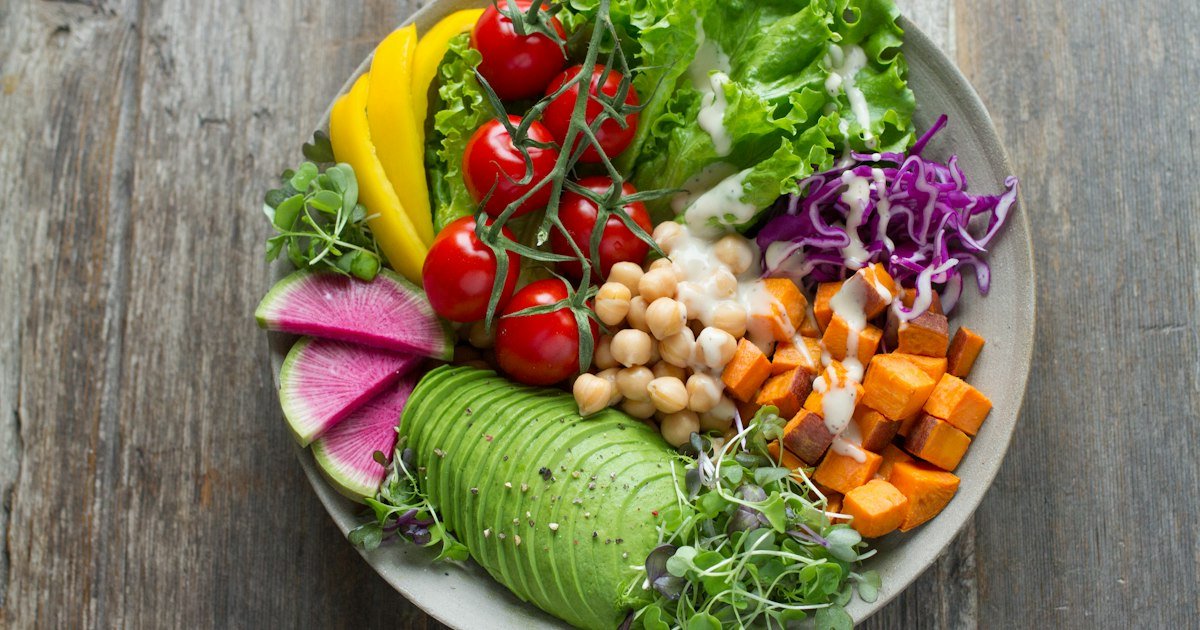
Temperature and preparation matter too. Warm, cooked food is kinder than cold or raw food in the first 24 hours. Soups, stewed fruit, and simple porridges let you ease back toward normal eating without shocking the system.
How Big Should Portions Be, and When?
Portions after a fast should be small and spaced out, closer to snacks than meals for the first day. A practical starting point is a portion that fits in one cupped hand, eaten slowly, followed by a pause of several hours before the next. You are testing tolerance, not refueling all at once.
A useful rule of thumb is to spend roughly one day easing back into food for every three to four days you fasted. A one-day fast may need only a careful first meal. A week-long fast deserves two or three days of graduated reintroduction before you return to full portions.
Clinical guidance for high-risk patients is far more conservative, starting as low as 5 to 10 kcal per kilogram of body weight per day and increasing over days under supervision (StatPearls, NCBI, 2024, linked above). You are not a hospital patient, but the direction of travel is the same: begin low, go slow, and let appetite and comfort guide the pace rather than hunger-driven impulse.
Timing tips that help:
- Eat every three to four hours rather than grazing constantly or waiting until you are ravenous.
- Chew each bite thoroughly; digestion starts in the mouth and this reduces the load downstream.
- Stop while you still feel light. The urge to "make up" for the fast is the most common cause of discomfort.
What Are the Signs You Are Reintroducing Food Too Fast?
The clearest signs you are reintroducing food too fast are physical discomfort and sudden changes in how you feel within hours of eating. Your body gives quick feedback when a meal was too large, too rich, or too soon. Learning to read it keeps the refeeding phase safe.
Watch for these warning signs:
- Bloating, gas, or stomach cramps after eating.
- Nausea or a heavy, uncomfortable fullness from a modest portion.
- A sudden energy crash or shakiness, which can signal a blood-sugar swing.
- Swelling in the hands, feet, or ankles, a possible sign of fluid and electrolyte imbalance.
- A racing or irregular heartbeat, confusion, or marked weakness, which are more serious.
Mild bloating usually just means your next portion should be smaller and simpler. The more serious signs, especially an irregular heartbeat, swelling, confusion, or breathing trouble, are different. These can point toward refeeding syndrome and are a reason to stop eating rich food, rehydrate carefully, and seek medical advice, particularly after a long fast or if you have an underlying condition. When in doubt, slow down. There is no prize for refeeding quickly.
How Do You Protect Your Gut and Energy Long-Term?
Protecting your gut and energy long-term comes down to carrying the gentleness of refeeding into the days and weeks that follow. The fast and its careful break are only valuable if you do not undo them with a sudden return to processed food, heavy meals, and old habits. The goal is to keep the digestive calm you worked for.
A few durable habits help the most:
- Rebuild fiber gradually so your gut bacteria repopulate without triggering cramping.
- Favor whole, minimally processed foods and keep added sugar low in the first week.
- Stay hydrated and keep salt modest but adequate, since electrolytes are still rebalancing.
- Eat mindfully and at regular times rather than returning to rushed, oversized meals.
This is where a well-designed fast proves its worth. In a study of 1,422 people on a Buchinger fast, fewer than 1 percent reported adverse effects, a safety record that owes a great deal to structured preparation and a carefully managed return to food (PLOS ONE, 2019). The same care you take breaking the fast is what makes the benefits last.
At Vietnamdetox, the refeeding phase is guided rather than left to chance, pairing German fasting science with Vietnamese food and herbal traditions so the return to eating is as considered as the fast itself. If you are preparing for a fast rather than ending one, our companion guide on what to eat before a fasting retreat sets you up for an easier recovery.
Breaking a fast well is a skill you can practice. For your next fast, write down a simple refeeding plan before you start: the first food, the portion size, and the hours between meals. Deciding it in advance keeps you from eating with your appetite instead of your head when the fast ends.
Frequently asked questions
What should I eat first when breaking a fast?
Start with something light and easy to digest, such as vegetable broth, a small portion of cooked or steamed vegetables, or a piece of soft fruit. Avoid heavy, fatty, or sugary foods for the first day.
How long should the refeeding phase last?
A good rule is roughly one day of careful reintroduction for every three to four days you fasted, though shorter fasts need less. Rebuild to normal meals gradually rather than in a single sitting.
What is refeeding syndrome?
Refeeding syndrome is a dangerous shift in electrolytes, especially phosphate, potassium, and magnesium, that can happen when food is reintroduced too quickly after prolonged undernutrition. It can affect the heart and nervous system and needs medical attention.
Can I just eat normally after a short fast?
After a short fast of 24 hours or less, most healthy people can return to light, normal eating with care. The longer the fast, the slower and more deliberate the refeeding should be.