Fasting Journal
It is the evening before a retreat. Chị Lan, 56, is packing her walking shoes in Hà Nội when her son looks up from his phone. “Mẹ, five days without food? You will lose all your muscle.” She laughs, but the question stays with her all the way to Huế.
Chị Lan is not alone. It is one of the questions we hear most often at our arrival check-ups, especially from guests over 50. They have worked hard to stay strong, and they want to keep it that way.
So what really happens to your muscles on a five-day fast? This article looks at the newest studies, explains what the scale shows and shares how to protect your strength before, during and after a retreat.
On a fast, the scale often drops by two to four kilos in five days. That can look alarming, but the number mixes several different things.
First, your body uses up its glycogen, the carbohydrate stored in the liver and muscles. Each gram of glycogen is stored with about three grams of water, so the water leaves with it. Then, as the fast goes on, fat becomes the main fuel.
A Buchinger study of 16 healthy men on a 10-day fast measured exactly where the weight went.
In other words, “lean mass” on a body-composition scale is not the same as muscle. It also includes water, glycogen, organs and even the contents of your gut. That is why a smart scale can show a drop in “muscle” straight after a fast, even when your strength is unchanged.
Your body does use some protein in the first days of a fast. However, it soon adapts. Once ketone levels rise, around day three or four, the brain uses ketones for much of its energy. As a result, the body needs far less protein to make glucose.
In the same 10-day study, a marker of muscle breakdown peaked around day five and then fell. Meanwhile, the men walked more than usual, and their leg strength rose by a third.
A 12-day Buchinger study with MRI scans included 32 men and women, half of them over 50. Calf muscle volume fell by about 5 per cent, close to what glycogen and water loss alone would explain. Strength stayed the same in every age group and in both sexes.

Journal: Genome Medicine, 2026
Who was studied: 38 healthy adults in Berlin, randomly assigned to fast straight away or after a waiting period. They fasted for five days on 200 to 250 kcal a day of vegetable juice and broth, very much like our retreats.
What was found: The weight lost was mainly fat. Lean mass dipped a little during the fast and had completely returned by the 12-week follow-up.
Limits: A small study without strength tests. Body composition was measured with an air-displacement device, not an MRI scan.
To be fair, these studies are small, and researchers linked to the Buchinger Wilhelmi clinic took part in two of them. Even so, they point the same way. In healthy adults, a short, supervised fast with daily movement appears to leave muscle function intact.
You may have seen social media posts saying that growth hormone rises up to 14 times during a fast. There is some truth in that, and some context is missing.
The 14-fold figure comes from a 24-hour water-only fast in 30 adults. Women started from very low levels, so the percentage rise looked dramatic. After a few days of fasting, studies show roughly a threefold rise, as our article on day three of fasting explains.
Growth hormone does help the body spare protein. Still, it is only one of several signals, alongside ketones and lower insulin. Moreover, all these figures come from water-only fasts. Nobody has measured growth hormone on a broth-and-juice fast like ours, so we prefer not to promise any number.
Sleep plays a quiet part here. Most growth hormone is released during deep sleep, and deep sleep becomes lighter with age. Our calm evenings, without screens and late dinners, give your body a good chance to rest and repair.

Some fasting advice tells women to fast only on days 1 to 10 of their cycle. The idea is that a fast later in the cycle could disturb ovulation.
The research here is thin. A 2026 review of 15 randomised trials with 954 participants found largely neutral effects of fasting on reproductive hormones. Even so, the authors noted that women’s symptoms were rarely recorded. A 2026 review also suggests that women may respond more strongly to energy stress than men, especially when they are already lean, stressed or training hard.
In practice, a few guests prefer to book a retreat in the first half of their cycle, and that is a perfectly gentle choice. Your period may also come earlier or feel heavier during a fast, and it usually settles afterwards. If you are pregnant, breastfeeding, trying to conceive or your cycle is irregular, please speak to your doctor before you fast.
In ketosis, your kidneys release more sodium and water. That is one reason some people feel light-headed in the first days. Caffeine withdrawal and lower blood sugar also play a part.
In a study of 1,422 people on a Buchinger fast, sodium and potassium dipped slightly, magnesium stayed stable and all values stayed within the normal range. The daily broth and fresh juices did their job.
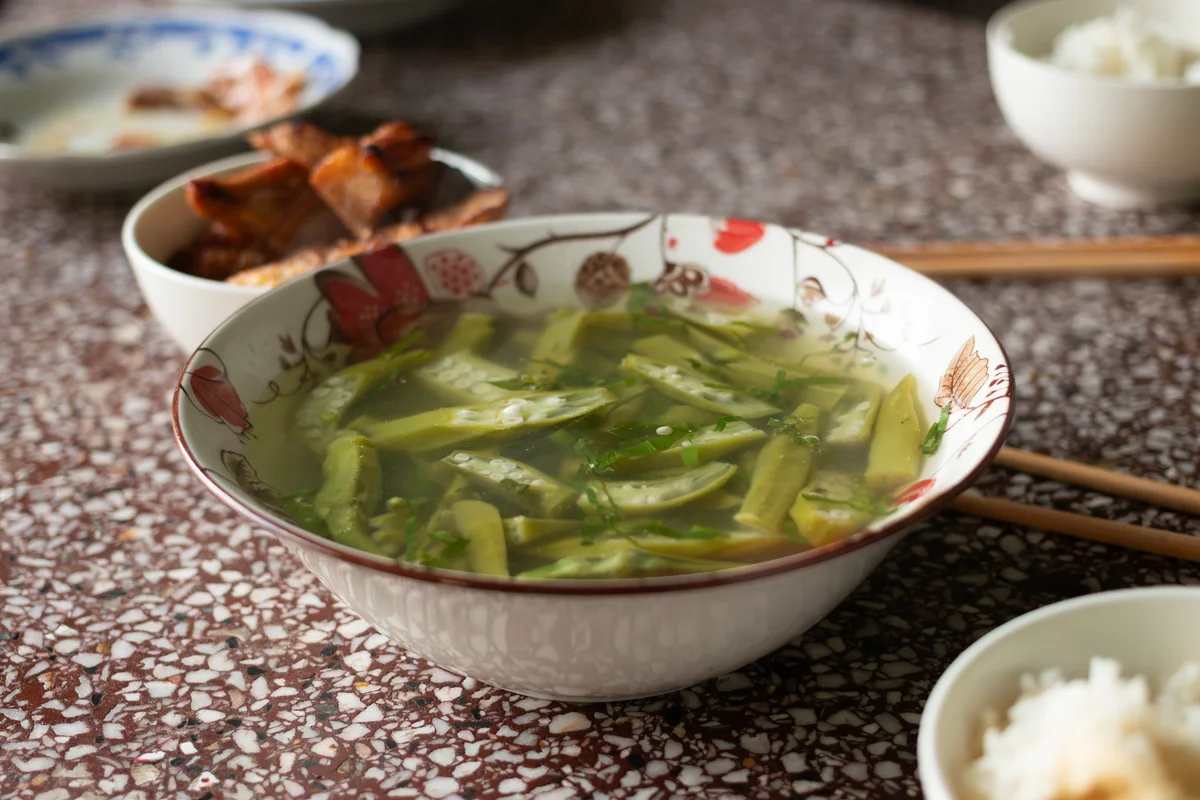
Vietnam’s heat adds one more reason to keep salt and fluids up. On our retreats, the warm vegetable broth each evening brings sodium and potassium. Water and herbal teas fill the gaps. On hot or active days, an extra cup of broth often helps more than any supplement. Please avoid taking potassium tablets on your own, as they can be risky with some medicines and kidney conditions.
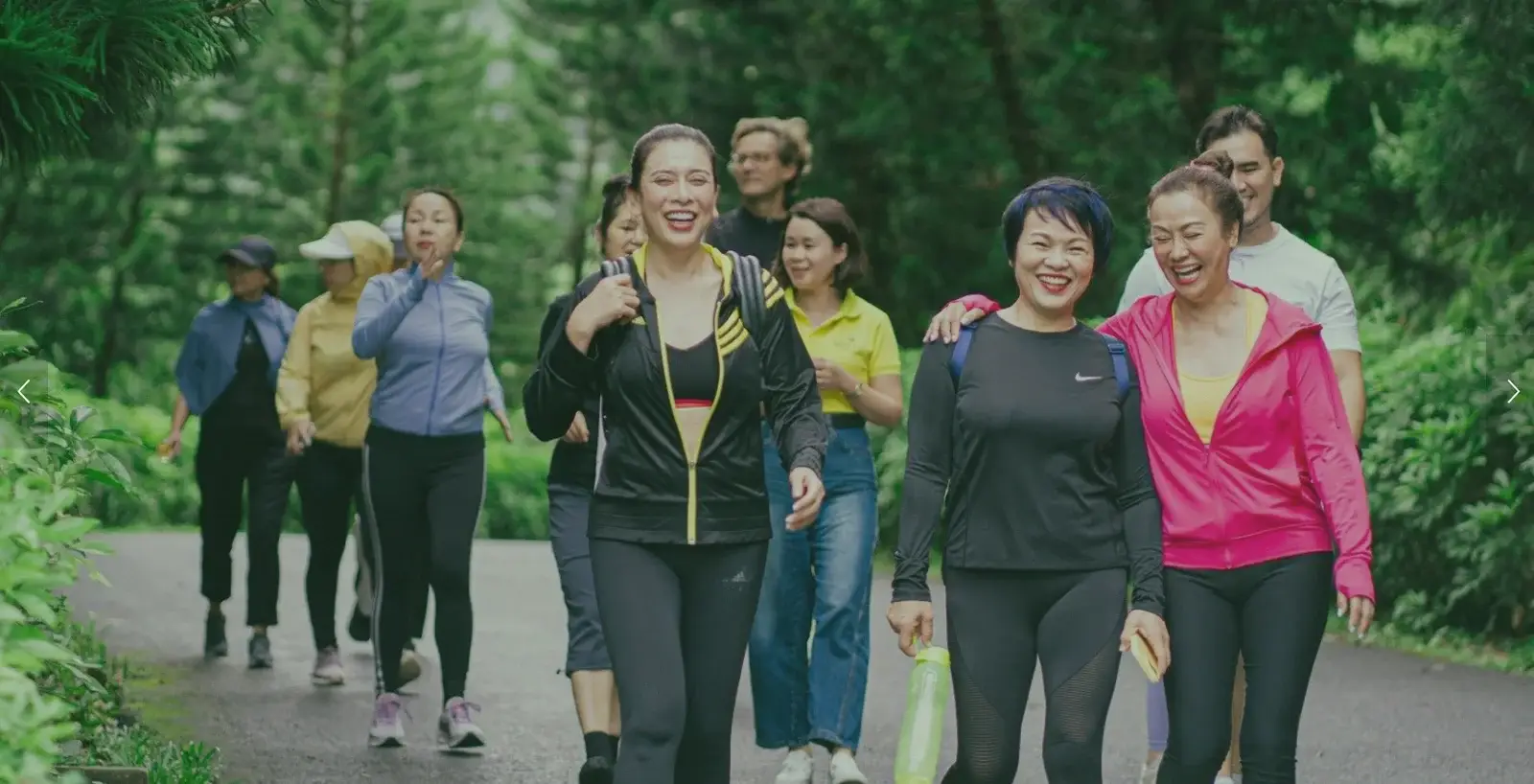
On a fast, gentle movement does far more good than rest. The muscle studies above all included daily walks, sometimes up to three hours a day.
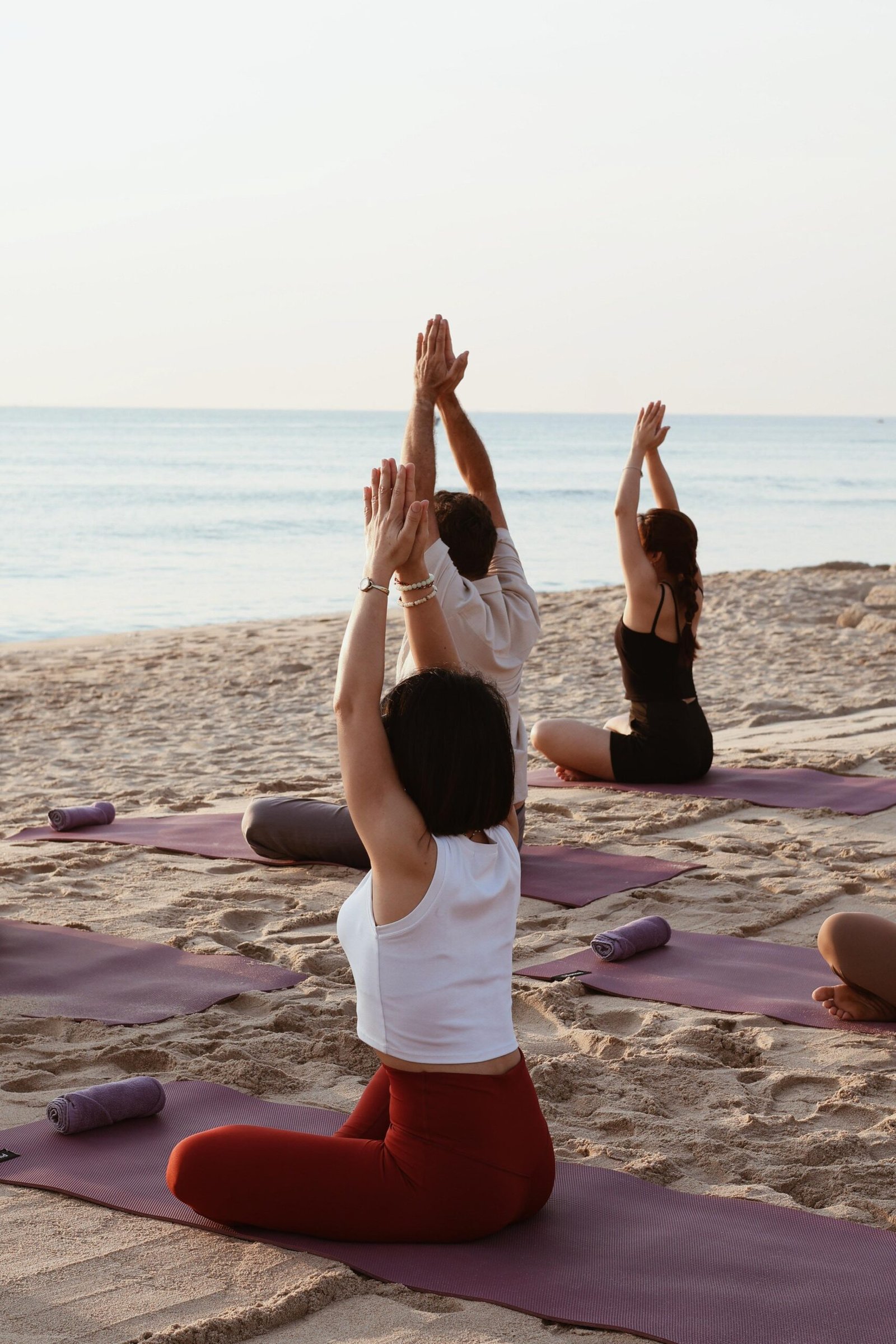
At our retreats, a typical day combines a morning walk, yoga and simple bodyweight or resistance-band exercises, such as slow squats, wall push-ups or a short plank. These send your muscles a clear message that they are still needed.

Hard workouts are a different matter. In a seven-day water-only fast, strength held up, but endurance for hard, intense exercise fell. So we save heavier strength training for the weeks after the retreat, when you are eating normally again. Our guide to gentle movement during a fast shows a full routine.
Muscle naturally declines with age, and it matters a great deal in Vietnam. In a study of 1,899 adults over 50 in Hồ Chí Minh City, about one in seven had sarcopenia, a loss of muscle mass and strength.
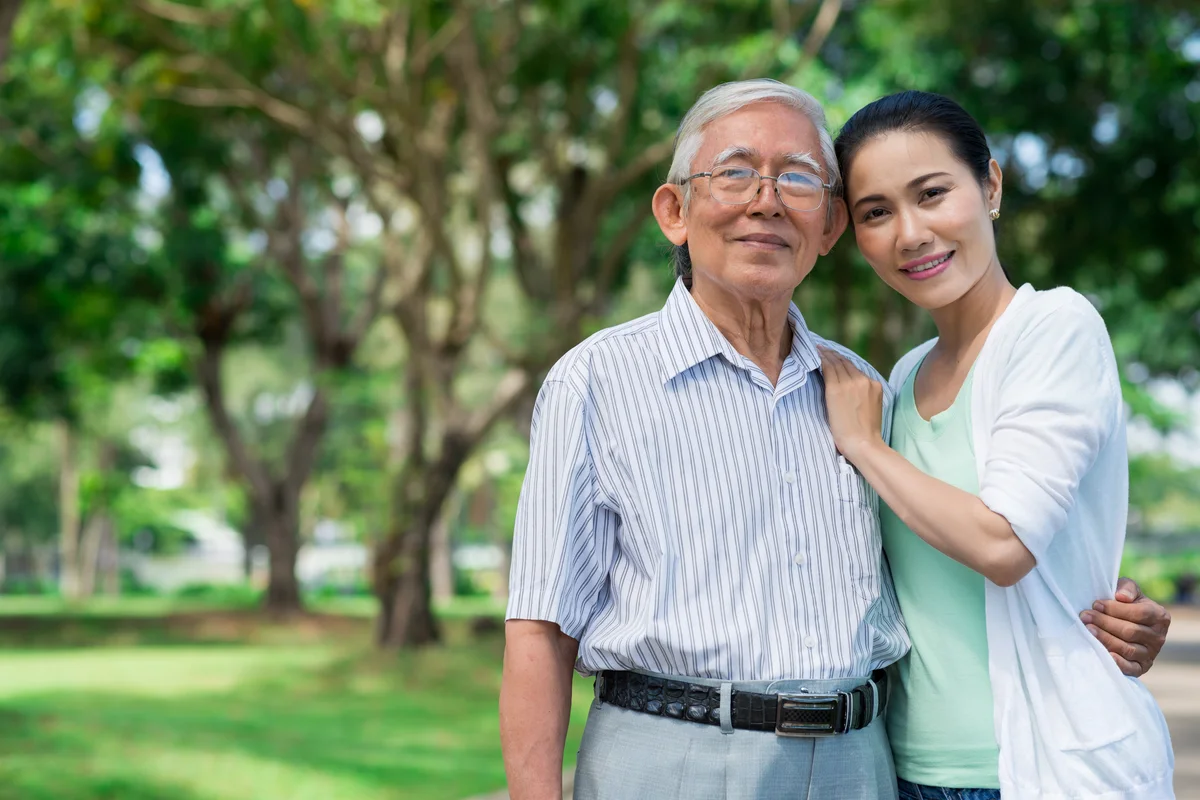
The good news is that the studies above included many people over 50 who stayed strong. Even so, none of them included people who are frail or underweight. Dr Françoise Wilhelmi de Toledo, a leading Buchinger researcher, has said fasting can make muscle loss worse in older people who are already very thin.
That is why we ask about your health, weight and medication before every retreat. A fast may not suit you, or may need your doctor’s agreement first, if you are underweight, frail or have lost weight without trying.
Social media often recommends breaking a fast with eggs, fish or bone broth. Our approach is gentler, and it follows the Buchinger tradition. Your digestion has rested for five days, so we rebuild step by step.
No study has shown that eating protein first works better than this gradual pace. So how much protein do you need once you are eating normally again? Vietnam’s new dietary guidelines recommend 0.93 g per kilo of body weight for adults. For healthy older adults, European experts suggest at least 1.0 to 1.2 g per kilo.
Choose your weight, then build each meal around one protein food. A 2025 review suggests that 25 to 30 g per meal supports muscle building well in older adults.
Protein planner for adults over 50
| Your weight | Protein a day (1.0 to 1.2 g per kilo) | Roughly per meal |
|---|---|---|
| 50 kg | 50 to 60 g | 17 to 20 g |
| 60 kg | 60 to 72 g | 20 to 24 g |
| 70 kg | 70 to 84 g | 23 to 28 g |
| 80 kg | 80 to 96 g | 27 to 32 g |
What 20 g of protein looks like
| Food | Amount for about 20 g |
|---|---|
| Cá rô phi or diêu hồng (tilapia or red snapper), steamed | About 100 g raw, one small fillet |
| Trứng gà (eggs) | 3 eggs |
| Đậu phụ (firm tofu) | About 200 g, two blocks |
| Ức gà (chicken breast) | About 90 g raw |
| Sữa đậu nành không đường (unsweetened soy milk) | About 700 ml, so combine it with another food |
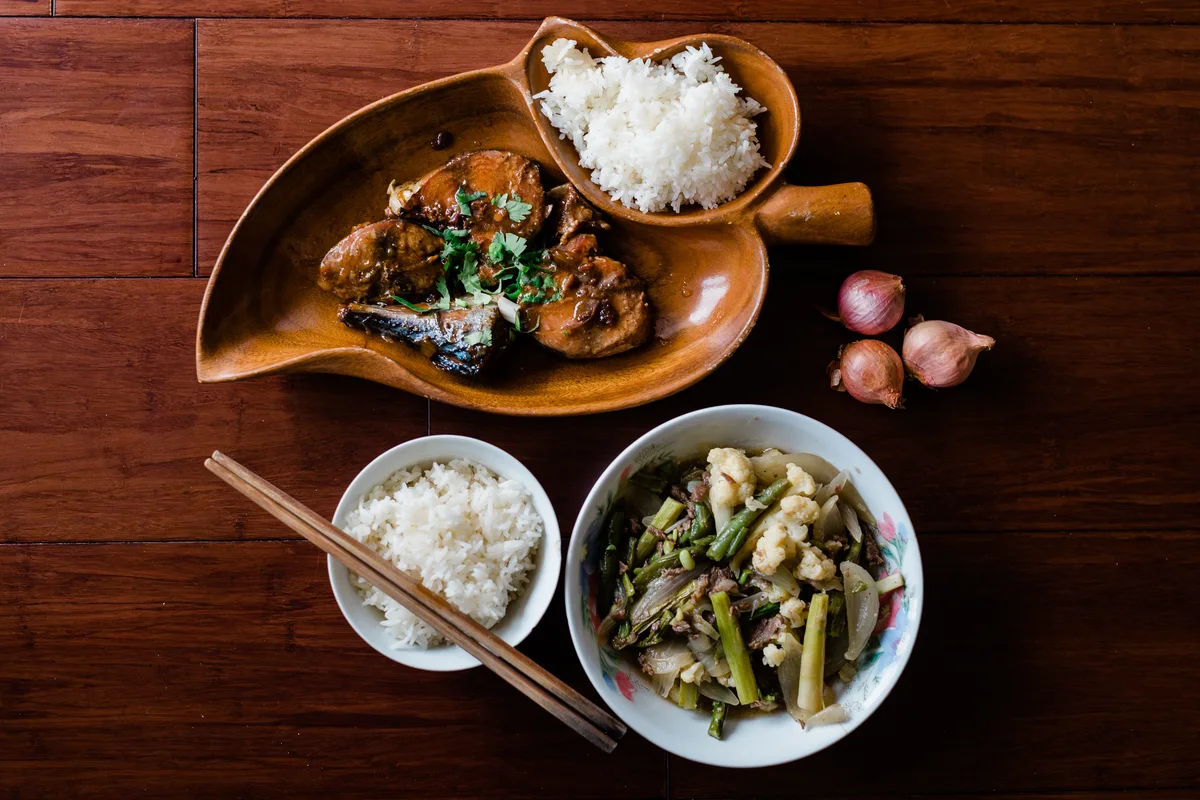
For example, a 60 kg guest might choose two eggs and a glass of soy milk for breakfast, cá kho with rice and rau ngót soup for lunch, and đậu sốt cà chua for dinner. Rau ngót is a useful extra, as it contains more protein than most leafy greens.
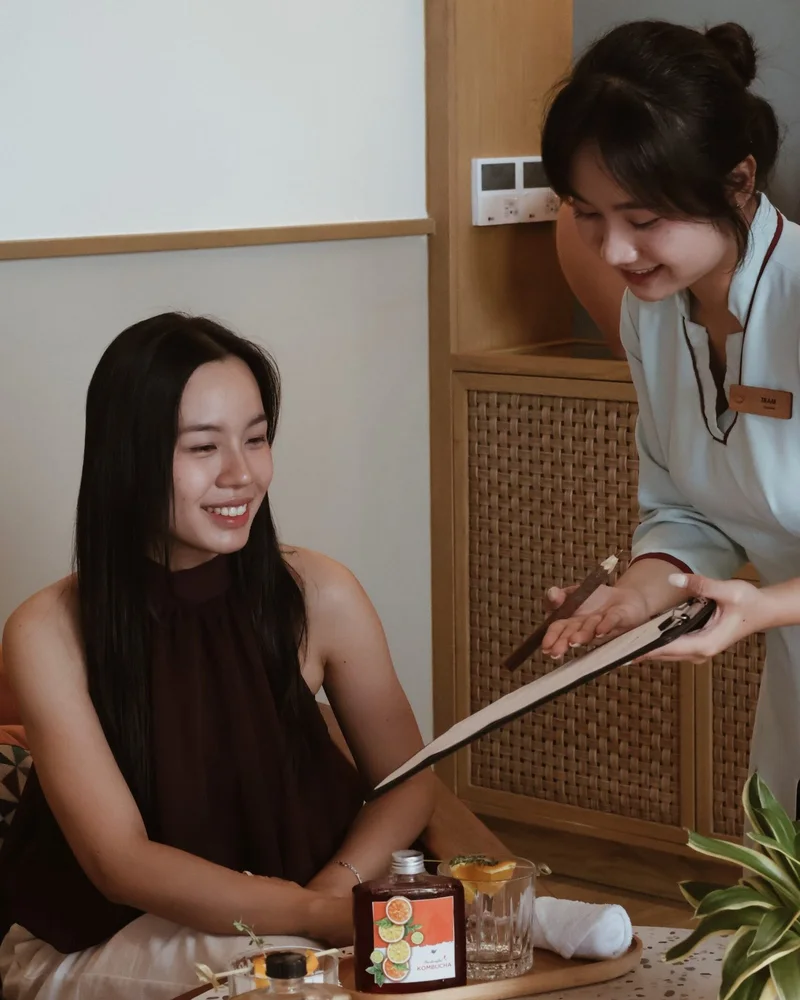
At every retreat, we measure your weight, body composition on a hand-and-foot smart scale, waist, skinfold, blood pressure and grip strength on arrival and again before you leave. We also measure advanced glycation end products (AGEs) in the skin, and on the last day a simple test shows whether you have reached ketosis.
Grip strength matters most for this topic. A body-composition scale reacts to water and glycogen, so its “muscle” reading often drops after a fast. Your grip, however, shows what your muscles can actually do, so we compare it with your arrival reading. Our article on grip strength explains why it is such a useful sign.
Our tip
You could try these in the month after your fast:
•Test your grip or stand-up speed today, then again in four weeks, to see real progress.
•Book two strength sessions a week, even 20 minutes with a resistance band at home.
•Carry your own shopping from the market, rather than asking for a delivery.
•Take the stairs at work or at the pagoda, slowly and steadily.
•Keep a jar of roasted peanuts or edamame nearby for an easy protein snack.
Then notice how your body feels. Strength is a deeply rewarding thing to build, at any age.
Signs worth discussing with a doctor before you fast
•You are underweight, frail, or have lost weight without trying in recent months
•You take medicines for blood sugar, blood pressure or a heart condition
•You are pregnant, breastfeeding or trying to conceive, or your cycle is irregular
•You have kidney or liver disease, or a history of eating disorders
Share this article
Questions about fasting and muscle, or about our check-ups? We would be glad to hear from you. Write to us.
With warm wishes,
Dieter and the Vietnam Detox team
Next step
Our preventive wellness retreats combine Buchinger fasting, daily walks, gentle movement and careful building-up days.
 "An" Retreat @ Legacy Yen Tu MGalleryLegacy Yên Tử MGalleryMountain stillness, mindfulness and guided fasting in Yên TửNext retreat: 17–21 March 2027Discover →
 Yên RetreatAlba Wellness Valley, HuếNatural hot springs, herbal baths and deep restNext retreat: 16–20 December 2026Discover →
 Hồi Retreat @ Fusion Resort & Villas Da NangFusion Resort & Villas Da NangSunrise beach walks, sea air and gentle fasting by the coastNext retreat: 20–24 January 2027Discover →